World Smile Day was created by Harvey Ball, the commercial artist who designed the iconic yellow smiley face in 1963. He believed the smiley symbol had become too commercialized, so in 1999, he launched World Smile Day to encourage acts of kindness and spread happiness around the world—one smile at a time.
🌟 Theme/Purpose
“Do an act of kindness. Help one person smile.”
That’s the central theme. It’s not about big gestures—small, sincere kindness counts.
💡 Ways to Celebrate
Here are some meaningful and fun ways to honor World Smile Day:
✨ Acts of Kindness
Compliment a stranger or friend. Pay for someone’s coffee or meal. Write a thank-you note or text to someone who’s helped you. Volunteer or donate to a local cause. Leave positive sticky notes in public spaces.
🧡 Creative Ideas
Wear yellow or a smiley face! Start a “smile chain” on social media: post something uplifting and tag others to do the same. Make handmade cards and drop them off at a hospital, senior home, or shelter. Host a “smile lunch” at work or school—bring treats or cheerful notes.
📝 Journal Prompt for World Smile Day:
What made me smile today?
What’s something I can do today to make someone else smile?
Breast cancer screening can help detect the disease early, often before symptoms appear, when it is more treatable.
Early detection can lead to less aggressive treatment and better survival rates.
2. Know the Recommended Screening Guidelines
Mammograms: The primary tool for breast cancer screening.
Women aged 40 to 44 should have the choice to start annual screening with mammograms.
Women aged 45 to 54 should have annual mammograms.
Women aged 55 and older can switch to biennial (every two years) screening or continue annual screening based on personal preference.
Clinical Breast Exams (CBE): A physical examination performed by a healthcare professional, typically recommended every 1-3 years for women in their 20s and 30s, and annually for women 40 and older.
Breast Self-Exams (BSE): While not a substitute for mammograms, being familiar with the normal look and feel of your breasts can help you notice any changes.
3. Discuss Personal Risk Factors
Talk to your healthcare provider about your personal and family history of breast cancer, genetic factors, and any other risk factors that may necessitate earlier or more frequent screening.
4. Schedule Regular Appointments
Set up regular appointments for mammograms and clinical exams based on the recommended guidelines and your healthcare provider’s advice.
5. Prepare for the Appointment
Wear a two-piece outfit to make the process easier.
Avoid using deodorant, lotion, or powder on the day of your mammogram, as these can interfere with the imaging.
6. Understand the Process
A mammogram involves taking X-ray images of the breast, usually from two different angles. The procedure is quick, but some women may experience discomfort.
7. Follow Up on Results
After your mammogram, ensure you understand how and when you will receive your results. If additional tests are needed, follow your healthcare provider’s recommendations promptly.
8. Maintain a Healthy Lifestyle
In addition to regular screenings, adopting a healthy lifestyle can lower your breast cancer risk. This includes maintaining a balanced diet, exercising regularly, limiting alcohol intake, and avoiding tobacco.
Conclusion
Being proactive about breast cancer screening is crucial for early detection and effective treatment. Regular check-ups and open communication with healthcare providers can significantly enhance your breast health.
Honest and trustworthy Kind and respectful Faithful/committed Shares similar morals, values, or faith
2. Emotional Qualities
Emotionally available and communicative Supportive (through highs and lows) Sense of humor Patient and understanding
3. Stability & Responsibility
Financially responsible (not necessarily rich, but stable) Dependable and reliable Hardworking and motivated Mature in decision-making
4. Lifestyle Compatibility
Similar views on family, children, and future goals Compatible interests or at least supportive of each other’s passions Shares cultural or spiritual beliefs (for some women, this is very important)
5. Relationship Skills
Knows how to resolve conflict in a healthy way Respects boundaries Good listener and communicator Willing to grow and evolve in the relationship
6. Attraction & Intimacy
Physical chemistry (attraction matters to many) Affectionate and attentive Prioritizes intimacy and partnership
7. Social & Family Fit
Gets along with her family and friends (or at least respects them) Treats others kindly (waitstaff, strangers, etc.) Has healthy friendships and social habits
✨ Some women make this into an actual list, while others just keep it in mind when dating. A big thing relationship experts note is that sometimes people get stuck on a “perfect list” that no one can meet 100%. The healthiest checklists focus on non-negotiables (deal-breakers) vs. nice-to-haves.
Awareness: To educate the public about breast cancer risks, symptoms, and the importance of early detection.
Support: To provide resources and support to individuals and families affected by breast cancer.
Fundraising: To raise funds for research, treatment, and support services.
Key Activities
Educational Campaigns: Organizations conduct workshops, seminars, and informational sessions to spread awareness about breast health and the importance of regular screenings.
Pink Ribbon Symbol: The pink ribbon is the international symbol of breast cancer awareness. Many events and campaigns use this symbol to promote awareness.
Events: Fundraising events like walks, runs, and other community activities are organized to support research and patient services.
Social Media Campaigns: Many organizations and individuals share information, personal stories, and educational content on social media to reach a wider audience.
Importance of Early Detection
Early detection through regular self-exams and mammograms can significantly increase the chances of successful treatment. Awareness campaigns often emphasize the importance of knowing one’s body and seeking medical advice if any changes occur.
How to Get Involved
Participate in Events: Join local or virtual events to support breast cancer research and awareness.
Educate Yourself and Others: Share information about breast cancer with friends and family.
Wear Pink: Many people wear pink during October to show their support for breast cancer awareness.
Donate: Consider donating to reputable organizations that support breast cancer research and patient care.
Breast Cancer Awareness Month serves as a vital reminder to prioritize breast health and support those impacted by breast cancer.
“Why would you do it like that? That makes no sense.”
Try:
“I’m curious what made you choose that approach — can you walk me through it?”
🟣 Why it works: This invites dialogue instead of defensiveness. Curiosity opens doors; criticism shuts them.
💡2. Replace Complaining with Constructive Feedback
Instead of:
“This is so unfair — no one listens to me!”
Try:
“I’d like to share a concern — here’s what I’m experiencing, and here’s what would help.”
🟣 Why it works: You express needs clearly, without blaming. People are more likely to help when they don’t feel attacked.
💡3. Stop Condemning, Start Empathizing
Instead of:
“She’s always so dramatic — I can’t deal.”
Try:
“I wonder if something deeper is going on with her. I know I’ve felt overwhelmed before too.”
🟣 Why it works: Condemnation isolates others and ourselves. Empathy connects us — even when we disagree.
💡4. Use “I” Statements Instead of “You” Blame
Instead of:
“You never support me.”
Try:
“I feel unsupported when I’m left to handle things alone.”
🟣 Why it works: “I” statements center your experience without putting others on defense. It’s powerful and honest.
💡5. Reframe the Situation
Instead of:
“Everything is going wrong today!”
Try:
“Today’s had some challenges, but I’m working through it one step at a time.”
🟣 Why it works: This gives your brain and body a different message — it activates resilience rather than stress.
💡6. Pause Before Responding
Practice the “pause” — especially when emotions run high. Ask yourself:
What do I really want here? Will this help or hurt the relationship? Can I say this with kindness and clarity?
🟣 Why it works: Responding instead of reacting is a form of emotional mastery.
💡7. Lead with Love, Not Ego
When you speak with care, not control, you lead with inner strength. You don’t need to criticize to be heard. You don’t need to complain to stand up for yourself. You don’t need to condemn to set boundaries.
🧠 BONUS MINDSET:
“I speak to build bridges, not burn them — even when I’m hurt or angry. My words carry power.”
Ah, the 90s—a decade that feels like a magical time capsule filled with vibrant colors, unforgettable music, and a sense of freedom that seems almost foreign today. If you grew up in this era, you likely have fond memories of being a kid during a time when life was simpler, and the world felt a little more exciting. From the catchy tunes that defined our playlists to the carefree days spent outside, let’s take a trip down memory lane and celebrate what it was like to grow up as a 90s kid.
90s Music: The Soundtrack of
Our Childhood
One of the most defining aspects of being a kid in the 90s was undoubtedly the music. The decade was a melting pot of genres, from grunge to hip-hop, pop to alternative rock.
Bands like Nirvana and Pearl Jam ruled the airwaves, while artists like Britney Spears and Backstreet Boys brought a new flavor to pop music. We danced in our living rooms to the infectious beats of “Wannabe” by the Spice Girls, and we belted out “I Want It That Way” at the top of our lungs, often with our friends gathered around.
Radio stations were the lifeblood of our
our musical education, and we spent countless hours recording our favorite songs off the radio onto cassette tapes. The thrill of hitting
“record” at the perfect moment was an art form in itself. Let’s not forget the iconic MTV, which introduced us to music videos that were almost like mini-movies. We watched in awe as Michael Jackson danced his way through
“Thriller” and marveled at the creativity of artists like Missy Elliott.
As 90s kids, we experienced the rise of boy bands and girl groups, which became a cultural phenomenon. We collected posters, traded cassette tapes, and even had our favorite singers’ faces plastered on our school binders. The music of the 90s was not just a backdrop; it was the very essence of our childhood, shaping our identities and providing a soundtrack to our most cherished memories.
Being a Kid: Freedom and Adventure
Being a kid in the 90s was a unique experience, characterized by a sense of freedom that many children today may not fully understand. We spent our days outside, riding bikes until the sun went down, playing tag until we were breathless, and exploring the neighborhood with our friends. The streets were our playground, and our imaginations knew no bounds.
Video games were certainly a part of our childhood, but they didn’t consume our lives like they do for many children today. We played classics like Super Mario, Sonic the Hedgehog, and Street Fighter, but we also knew the joy of climbing trees, building forts, and playing in the park. We were resourceful, creating games with whatever we could find and making up stories that took us on grand adventures.
The 90s also saw the rise of iconic toys that defined our playtime. Beanie Babies, Tamagotchis, and Pogs were all the rage, and we eagerly traded them with friends, hoping to complete our collections. We spent hours playing with action figures and dolls, creating
elaborate worlds where anything was possible.
The thrill of opening a cereal box to find a toy inside was unmatched, and the anticipation of what we might find kept us coming back for more.
Enjoying the 90s: A Cultural
Melting Pot
The 90s were not just about music and play; they were a vibrant cultural melting pot that shaped our worldview. Television shows like
“Friends,” “The Fresh Prince of Bel-Air,” and
“Full House” entertained us while teaching valuable life lessons. We laughed at the antics of Joey and Chandler, learned about family dynamics from the Tanners, and sang along to the catchy theme songs that defined our favorite series.
As 90s kids, we were also lucky enough to witness the birth of the internet. The dial-up connection was a gateway to a whole new world, opening doors to chat rooms, early social media, and websites that felt revolutionary at the time. Remember the excitement of logging onto AOL Instant Messenger, creating your first screen name, and chatting with friends late into the night? It was a new form of communication that added an extra layer of connection to our lives.
Fashion in the 90s was another highlight of growing up during this era. From flannel shirts and cargo pants to platform sneakers and chokers, our style was a reflection of the times. We embraced trends with open arms, often looking back and laughing at our choices, but those outfits were a part of our identity. We wore our favorite bands on our tees and accessorized with slap bracelets and butterfly clips, expressing ourselves in ways that felt authentic and fun.
Conclusion: A Celebration of Nostalgia
Growing up as a 90s kid was an experience filled with joy, adventure, and a sense of community that seems to be fading in today’s fast-paced world. The music, the freedom to explore, and the cultural milestones we lived through have left an indelible mark on who we are today. As we reminisce about those carefree days, let’s celebrate the unique blend of experiences that made our childhoods so special.
So, to all the 90s kids out there, let’s keep the spirit of our youth alive. Whether it’s blasting our favorite 90s hits, sharing stories of our adventures, or simply enjoying the nostalgia of a simoler time. we can cherish the memories
tees and accessorized with slap bracelets and butterfly clips, expressing ourselves in ways that felt authentic and fun.
Conclusion: A Celebration of Nostalgia
Growing up as a 90s kid was an experience filled with joy, adventure, and a sense of community that seems to be fading in today’s fast-paced world. The music, the freedom to explore, and the cultural milestones we lived through have left an indelible mark on who we are today. As we reminisce about those carefree days, let’s celebrate the unique blend of experiences that made our childhoods so special.
So, to all the 90s kids out there, let’s keep the spirit of our youth alive. Whether it’s blasting our favorite 90s hits, sharing stories of our adventures, or simply enjoying the nostalgia of a simpler time, we can cherish the memories that shaped us. Here’s to the fun of being a kid, the joy of enjoying the 90s, and the lasting impact of a decade that will forever hold a special place in our hearts !
“I am worthy of love and respect. I embrace my uniqueness and celebrate my strengths. I honor my journey and give myself permission to grow and thrive.”
Repeating this affirmation regularly can help reinforce positive self-perception and encourage a loving relationship with oneself.
Something short and simple yet a powerful way to start your day ! What are some affirmations you use daily ?
Sensory Play: Incorporate elements that engage the senses, such as soft fabrics, scented oils, or flavored treats. Blindfolding your partner can heighten anticipation and make even simple touches feel electrifying.
Role-Playing: Stepping into different characters or scenarios can bring a playful dynamic into the bedroom. Discuss fantasies with your partner and find a role that excites both of you.
Surprise Elements: Introduce an unexpected twist, like a new location within your home or a spontaneous time of day. Breaking routine can create thrilling moments.
Erotic Massage: Take your time to give a sensual massage using oils or lotions. Focus on areas that often get overlooked, allowing your partner to relax and feel cherished.
Communication: Talk openly about what feels good and what fantasies you both have. This not only enhances intimacy but also ensures that both partners are engaged and excited.
Experiment with Toys: If you’re both comfortable, consider incorporating adult toys into your activities. They can add a new layer of pleasure and exploration.
Dance Together: Before heading to the bedroom, engage in a sensual dance. This can build anticipation and create a fun, intimate atmosphere.
Surprise Notes: Leave little love notes around the house that hint at what’s to come later. It builds excitement throughout the day.
Focus on Foreplay: Spend more time on foreplay, exploring each other’s bodies in different ways. This can help build arousal and deepen your connection.
Share a Bath or Shower: This intimate setting can be both relaxing and stimulating. Use this time to connect, kiss, and enjoy each other’s company.
The key is to keep the lines of communication open and ensure that both partners feel comfortable and excited about trying new things. Enjoy the process of exploring together!
Allow Yourself to Feel: Embrace your emotions, whether it’s sadness, anger, or confusion. Recognizing and accepting these feelings is the first step toward healing.
Seek Support: Surround yourself with friends, family, or support groups who understand what you’re going through. Sharing your feelings and experiences can be cathartic.
Express Yourself: Engage in creative outlets such as writing, painting, or music. Journaling your thoughts and emotions can help clarify your feelings and serve as a therapeutic release.
Establish Routines: Maintaining a daily routine can provide a sense of normalcy and stability during a chaotic time. Simple activities like cooking, exercising, or hobbies can help ground you.
Practice Self-Care: Prioritize your physical and emotional well-being. This can include regular exercise, a balanced diet, and adequate rest. Consider activities that promote relaxation, such as meditation or yoga.
Seek Professional Help: If grief feels overwhelming, consider speaking with a therapist or counselor who specializes in grief. They can provide tools and strategies to cope with your loss.
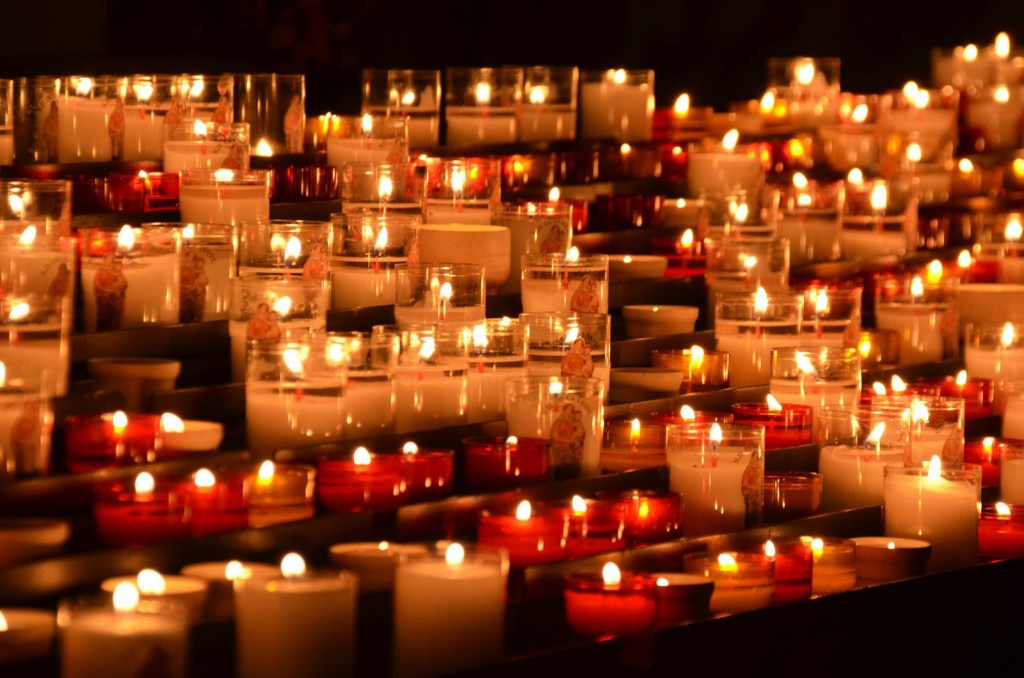
Honor Your Loved One: Creating rituals or memorials can help keep the memory of your loved one alive. This can be as simple as lighting a candle, planting a tree, or creating a scrapbook.
Be Patient with Yourself: Grief is not linear, and it’s essential to be gentle with yourself. Allow yourself the time needed to heal without rushing through the process.
Connect with Nature: Spending time outdoors can be healing. Nature has a way of providing comfort and perspective during tough times.
Explore Spirituality: If you are open to it, exploring spiritual beliefs or practices can provide comfort and a sense of connection to something greater.
Remember that everyone’s journey through grief is unique, and it’s okay to seek what feels right for you.
Let’s end September with self love journal prompts ! if you haven’t already be purchased a journal , use my Amazon link to buy my favorite one. https://a.co/d/4a9k2KN
🌿 Mind & Emotions
How am I really feeling today—physically, emotionally, and mentally? What’s been weighing on my mind lately? Can I let it go, even a little? What emotions have I been avoiding? Why? What helps me feel grounded and calm when I’m overwhelmed? What’s one thing I can forgive myself for today?
💖 Self-Worth & Compassion
What do I love most about who I am? When do I feel the most confident and why? What are three kind things I’ve done for myself lately? What would I say to my younger self right now? How can I speak to myself with more gentleness today?
☀️ Gratitude & Joy
List 5 small things that brought me joy recently. Who or what am I grateful for right now? When did I last laugh deeply? What triggered it? What’s a simple pleasure I can enjoy today? What’s something beautiful I noticed this week?
🧘♀️ Boundaries & Balance
Where in my life do I need stronger boundaries? What’s draining my energy right now? What does “balance” look like for me today? What can I say “no” to this week, without guilt? How can I protect my peace this weekend?
🌸 Growth & Reflection
What’s one thing I’ve learned about myself this year? What’s a challenge I overcame that I’m proud of? What do I want to release as I move forward? What habits help me grow—and which ones hold me back? If I loved myself fully, what would I do differently?