• 💧 Physical Benefits

    Boosts Energy & Fights Fatigue Dehydration makes you feel tired and sluggish. Water helps oxygen flow through your body, keeping you alert. Supports Digestion & Prevents Constipation Water keeps food moving through your digestive tract and softens stool. Regulates Body Temperature Sweating and hydration help your body cool down during exercise or hot weather. Promotes Healthy Skin Proper hydration keeps skin supple, reduces dryness, and may improve overall glow. Protects Joints & Muscles Water lubricates joints and cushions tissues, reducing stiffness and cramps.

    🧠 Mental Benefits

    Improves Focus & Concentration Even mild dehydration can reduce memory, attention, and problem-solving ability. Stabilizes Mood Hydration supports healthy brain function, which can ease irritability and stress.

    ⚖️ Health & Wellness Benefits

    Supports Weight Management Drinking water before meals can help with portion control and may reduce cravings mistaken for hunger. Flushes Out Toxins Water helps your kidneys filter waste more efficiently. Reduces Risk of Headaches Dehydration is a common cause of headaches and migraines—staying hydrated can help prevent them. Improves Heart & Kidney Health Adequate hydration supports healthy blood circulation and kidney function.

    💡 Quick Tips to Drink More Water

    Carry a reusable water bottle. Add natural flavor (lemon, cucumber, berries). Set phone reminders or use a hydration app. Eat water-rich foods (cucumbers, watermelon, oranges). Drink a glass of water before each meal.
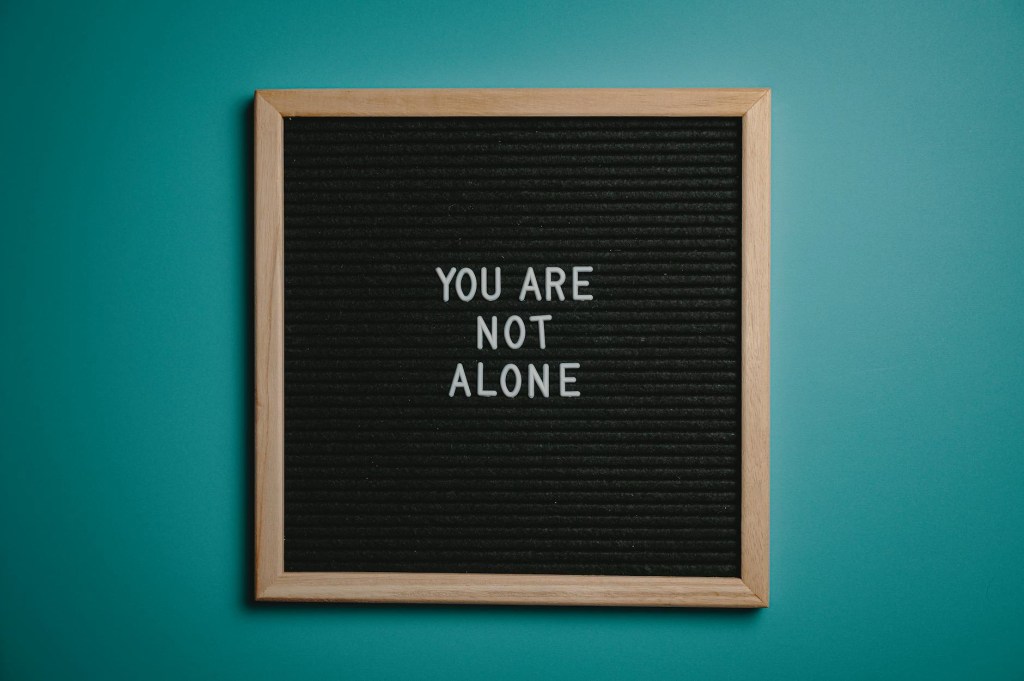

    1. Sharing Personal Stories: When women share their experiences with mental health struggles, it helps others feel less alone. Personal narratives can demystify therapy and reduce stigma.
    2. Creating Safe Spaces: Establishing environments—whether in communities, workplaces, or online—where women can discuss mental health openly encourages dialogue. Support groups, workshops, and forums can facilitate these conversations.
    3. Educating on Mental Health: Providing information about mental health issues, symptoms, and the benefits of therapy can empower women to seek help. Education can dispel myths and promote understanding.
    4. Highlighting Diverse Therapies: Therapy isn’t one-size-fits-all. Emphasizing various therapeutic approaches, such as talk therapy, art therapy, group therapy, or holistic methods, can help women find what resonates with them.
    5. Advocating for Accessibility: Ensuring that mental health services are accessible and affordable is crucial. Advocating for policy changes can improve access to therapy for women in various socioeconomic situations.
    6. Championing Self-Care Practices: Encouraging women to prioritize self-care and mental health as part of overall well-being can promote healing. This includes mindfulness, physical activity, and nurturing social connections.
    7. Role Models and Influencers: Public figures and influencers who speak openly about their mental health journeys can inspire others to do the same. Their visibility can make therapy seem more relatable and acceptable.

    By actively working to break the silence, women can foster a culture of support and understanding around mental health, ultimately leading to more individuals seeking the help they need and deserving.

  • Owning this duality can manifest in various ways:

    1. Confidence in Vulnerability: Understanding that showing emotions or being vulnerable is not a weakness, but a strength. It fosters deeper connections and authenticity.
    2. Self-Care and Boundaries: Taking care of oneself physically and emotionally is crucial. Setting boundaries is a powerful way to maintain strength while being gentle with oneself and others.
    3. Assertive Communication: Expressing thoughts and feelings clearly and confidently can reflect strength without compromising softness. It’s about being direct yet compassionate.
    4. Embracing Duality: Acknowledging that it’s okay to be both strong and soft at different times or in different contexts. This fluidity allows for personal growth and adaptability.
    5. Role Models: Look for inspiration from women who embody this balance—leaders, artists, and everyday heroes who demonstrate strength through kindness and compassion.

    Ultimately, owning both femininity and strength creates a holistic sense of self, empowering individuals to navigate the world with grace and assertiveness.

  • 🌟 Strengths & Resilience Factors of Black Women

    1. Education

    Black women are one of the most educated groups in the U.S. by enrollment. According to the National Center for Education Statistics, more Black women than Black men enroll in and graduate from college. They are also earning advanced degrees at growing rates, despite financial and systemic barriers.

    2. Entrepreneurship

    Black women are the fastest-growing group of entrepreneurs in the U.S. Many start businesses out of necessity (to overcome job discrimination), but these ventures are also fueling community wealth and innovation.

    3. Community Leadership

    Historically and today, Black women have been the backbone of social movements — from abolition and civil rights (Harriet Tubman, Fannie Lou Hamer) to Black Lives Matter (Alicia Garza, Patrisse Cullors, Opal Tometi). They are often the ones mobilizing communities, organizing resources, and demanding justice.

    4. Cultural Influence

    From music, fashion, and language to art and activism, Black women shape global culture. Their creativity often drives trends that others later adopt and commercialize.

    5. Faith & Spirituality

    For many, the Black church and other faith-based communities have been sources of strength, resilience, and healing across generations.

    6. Adaptability & Innovation

    Navigating systemic challenges has often required Black women to be resourceful, resilient, and creative problem-solvers. That’s why you see so many excelling in multiple roles: career, family, activism, artistry.

    7. Sisterhood & Support Networks

    Black women often build strong circles of support (both informal and formal) to uplift one another. This sense of community helps combat isolation and reinforces resilience.

    ✅ Bottom line: Black women statistically do face harder systemic barriers — but they are also among the most resilient, educated, entrepreneurial, and culturally influential groups in society today. That toughness is not just about survival; it’s also about creating a legacy, breaking barriers, and opening doors for the next generation.

  • 🌟 Life Lessons From Children

    1. Live in the Moment

    Kids don’t dwell on yesterday or stress about tomorrow—they find joy in now. A bubble, a song, a funny face—it’s enough to light up their world.

    2. Express Feelings Freely

    When kids are happy, they laugh loudly. When sad, they cry openly. They remind us it’s okay to feel deeply without shame.

    3. Ask Questions Without Fear

    “Why is the sky blue?” “Why can’t cats talk?” Kids teach us that curiosity fuels growth and there’s no shame in not knowing.

    4. Fall, Then Get Back Up

    Children stumble constantly—learning to walk, ride a bike, or spell a word—but they don’t see failure as final, only part of learning.

    5. Celebrate the Small Things

    A sticker, an extra bedtime story, or making it to the top of the playground slide is a huge win. They remind us to celebrate progress, not just big milestones.

    6. Forgive Quickly

    Kids argue, cry, then five minutes later, they’re laughing together again. They show us the power of releasing grudges.

    7. Use Imagination Boldly

    A cardboard box becomes a rocket ship, a blanket becomes a castle. Imagination keeps creativity alive—and adults often lose touch with it.

    8. Love Unconditionally

    Children don’t tally flaws or mistakes. Their love is simple, pure, and forgiving—a reminder to love with fewer conditions.

    9. See the World with Wonder

    A butterfly, a rainbow, or the crunch of leaves underfoot is magical to them. They remind us not to take everyday beauty for granted.

    10. Be Authentic

    Kids don’t pretend to be who they’re not. They’re honest—even brutally so sometimes. Their authenticity teaches us to embrace our true selves.

    ✨ Takeaway: Children are not just learners—they’re also teachers. If we slow down enough to notice, they offer daily lessons on joy, resilience, curiosity, and unconditional love.

  • 🙏 Prayer List for Life’s Struggles

    ❤️ When You Feel Overwhelmed or Stressed

    Prayer Focus: Peace, rest, clarity

    “God, calm my mind and settle my heart. Help me release what I cannot control and trust You fully. Replace my stress with Your peace.”

    😔 When You Feel Sad or Depressed

    Prayer Focus: Joy, comfort, hope

    “Lord, lift this heaviness from my heart. Fill me with Your joy and remind me that brighter days are ahead.”

    😟 When You Are Anxious or Afraid

    Prayer Focus: Courage, faith, protection

    “God, remove fear from my heart. Help me walk in faith, knowing You are with me in every situation.”

    💰 When Facing Financial Struggles

    Prayer Focus: Provision, wisdom, stability

    “Lord, provide for my needs and guide my decisions. Open doors of opportunity and teach me to manage what You give me.”

    ❤️‍🩹 When Dealing With Hurt or Broken Relationships

    Prayer Focus: Healing, forgiveness, restoration

    “God, heal my heart and help me forgive. Restore what is meant to be and give me peace with what is not.”

    🧠 When Struggling With Self-Worth or Identity

    Prayer Focus: Confidence, purpose, self-love

    “Lord, help me see myself the way You see me. Remind me of my worth and purpose.”

    🏥 When Facing Health Challenges

    Prayer Focus: Healing, strength, endurance

    “God, strengthen my body and mind. Bring healing and give me patience through this process.”

    😤 When Angry or Frustrated

    Prayer Focus: Patience, self-control, understanding

    “Lord, help me respond with wisdom instead of anger. Give me a calm spirit.”

    🧭 When You Need Direction or Purpose

    Prayer Focus: Guidance, clarity, obedience

    “God, direct my steps and reveal Your plan for my life.”

    🪨 When Faith Feels Weak

    Prayer Focus: Trust, spiritual growth

    “Lord, strengthen my faith and help me trust You even when I don’t understand.”

    🌱 When Waiting on Change or Breakthrough

    Prayer Focus: Patience, perseverance, trust in timing

    “God, help me trust Your timing and grow during this season of waiting.”

  • Here are some guiding steps:

    💞 1. Pause Before Reacting

    When emotions run high, take a deep breath or step away for a minute if it’s safe. This pause helps you respond with love instead of reacting out of frustration.

    💞 2. Separate the Behavior from the Child

    Behavior: “You made a mess and it upset me.” Child: “You are still loved no matter what.” 👉 Correct the action without labeling your child as “bad.”

    💞 3. Use Gentle Words Even When Firm

    It’s okay to set boundaries with kindness:

    Instead of: “You never listen!” Try: “I need you to listen right now, let’s try again together.”

    💞 4. Offer Physical Affection

    A hug, a hand on the shoulder, or sitting close reminds them that love is unconditional—even if you’re upset. Kids often need reassurance that your love isn’t withdrawn when they make mistakes.

    💞 5. Share Your Humanity

    Tell them: “Mommy’s having a hard day, but I still love you so much.”

    Children learn it’s normal to have big feelings and that love stays constant through them.

    💞 6. Focus on Connection Before Correction

    Sometimes what they need most is to feel heard:

    “I see you’re frustrated.” “I understand you wanted it to go differently.” After connection, teaching and discipline land better.

    💞 7. Forgive Yourself, Too

    Bad days happen. Showing your child how to recover—apologizing if you snapped, making up with a hug—teaches them resilience and compassion.

    ✨ Takeaway: Even on tough days, you don’t have to be perfect—you just need to be present. Love is felt in your tone, touch, and the security that no mistake will make it disappear.

  • 🌱 What a Growth Mindset Means

    Fixed mindset: “I’m just not good at math.” Growth mindset: “I’m not good at math yet, but if I practice and try different strategies, I can improve.”

    💡 Ways to Nurture It in Children

    1. Praise Effort, Not Just Results

    Say: “You worked really hard on that puzzle!” Avoid: “You’re so smart.” 👉 This shifts focus to persistence and strategies rather than innate ability.

    2. Teach the Power of “Yet”

    Encourage them to add yet to struggles: “I can’t ride my bike… yet.” “I don’t understand fractions… yet.”

    3. Normalize Mistakes as Learning Tools

    Share your own mistakes and what you learned. Frame errors as stepping stones: “That didn’t work, let’s try another way.”

    4. Encourage Curiosity and Questions

    Let them explore, ask questions, and even disagree respectfully. Show excitement for learning, not just for getting the “right” answer.

    5. Model a Growth Mindset

    Children mirror adults. If you say: “I can’t cook.” → fixed mindset. “Cooking is tricky, but I’m practicing and getting better.” → growth mindset.

    6. Create a Safe Environment for Challenges

    Provide tasks that stretch their abilities just beyond their comfort zone (the “sweet spot” for growth). Celebrate effort, resilience, and creativity.

    7. Teach Brain Science (in simple terms)

    Kids love to know: “Your brain is like a muscle—the more you use it, the stronger it gets.” Use examples like learning to ride a bike, draw, or play sports.

    📚 Helpful Tools & Activities

    Books for Kids: The Most Magnificent Thing by Ashley Spires Your Fantastic Elastic Brain by JoAnn Deak The Girl Who Never Made Mistakes by Mark Pett Activities: Keep a “Learning Journal” to track mistakes and what was learned. Do puzzles or STEM activities where trial and error is part of the fun. Family “challenge of the week” (e.g., try a new recipe, build something).

    ✨ The key: consistently showing kids that effort, practice, and patience are what lead to growth—not just natural talent.

  • 1. Create a Safe Space

    • Open Communication: Encourage an environment where your sons feel comfortable discussing sensitive topics without fear of judgment.
    • Active Listening: Show that you value their thoughts and feelings by listening attentively and responding thoughtfully.

    2. Start Early and Be Age-Appropriate

    • Gradual Approach: Introduce topics of sex and life skills at an age-appropriate level. Start with basic concepts and build up to more complex discussions as they grow.
    • Use Teachable Moments: Take advantage of everyday situations, such as media portrayals or news stories, to initiate conversations about relationships, consent, and respect.

    3. Discuss Identity and Culture

    • Cultural Context: Talk about the specific challenges they may face as African American boys, including societal expectations and stereotypes.
    • Positive Representation: Share stories of successful African American men who have navigated similar challenges, emphasizing resilience and self-identity.

    4. Talk About Relationships and Consent

    • Healthy Relationships: Discuss what constitutes a healthy relationship, including mutual respect, communication, and boundaries.
    • Consent Education: Teach them about the importance of consent, both in their own experiences and in respecting others.

    5. Address Safety and Risk

    • Real-World Challenges: Be honest about the realities they may face, including issues like racial profiling and systemic inequalities. Equip them with strategies to navigate these situations safely.
    • Open Dialogue About Risks: Discuss the potential risks associated with sexual activity and the importance of making informed choices.

    6. Foster Critical Thinking

    • Encourage Questions: Let them know it’s okay to ask questions, and encourage them to think critically about societal norms and pressures.
    • Discuss Consequences: Talk about the potential consequences of their actions, both positive and negative, in a non-judgmental way.

    7. Be a Role Model

    • Lead by Example: Demonstrate healthy communication and relationship skills in your own life. Show them how to handle difficult conversations and conflicts with respect and maturity.
    • Share Your Experiences: When appropriate, share your own life lessons and experiences to provide context and understanding.

    8. Seek Resources

    • Books and Materials: Utilize age-appropriate books and resources that address sex, relationships, and identity from a perspective that resonates with their experiences.
    • Professional Help: If needed, consider involving counselors or educators who specialize in these topics, especially if you feel certain discussions might be more effective with a third party.

    By approaching these conversations with honesty, empathy, and cultural awareness, you can help your sons navigate the complexities of life with confidence and understanding.

  • Story time !

    🌿 The Lantern in the Storm

    On the edge of a quiet village lived a woman named Lila. Life had not been kind—her husband had passed, her home needed repairs, and many days felt like an endless storm she couldn’t escape. She often sat by the window, staring at the dark clouds, wondering if light would ever return.

    One evening, as rain poured outside, her young daughter brought her a small lantern.

    “Here, Mama,” she said, placing it in her hands. “When it’s dark, we don’t wait for the sun—we light a lantern.”

    The simple words struck her heart. Lila realized she had been waiting for life to magically get better, instead of noticing the tiny lights around her: her daughter’s laughter, neighbors checking in, even her own strength to wake up each morning.

    From that day on, Lila lit the lantern each night—not just to brighten the room, but to remind herself that even in storms, she carried light within.

    Years later, when her daughter faced struggles of her own, Lila whispered the same words back:

    “When it’s dark, you don’t wait for the sun. You light your lantern.”

    ✨ Message: Darkness may surround you, but even the smallest light can guide you through. Hope often begins with one small act of resilience—a breath, a prayer, a helping hand, or simply choosing to keep going.