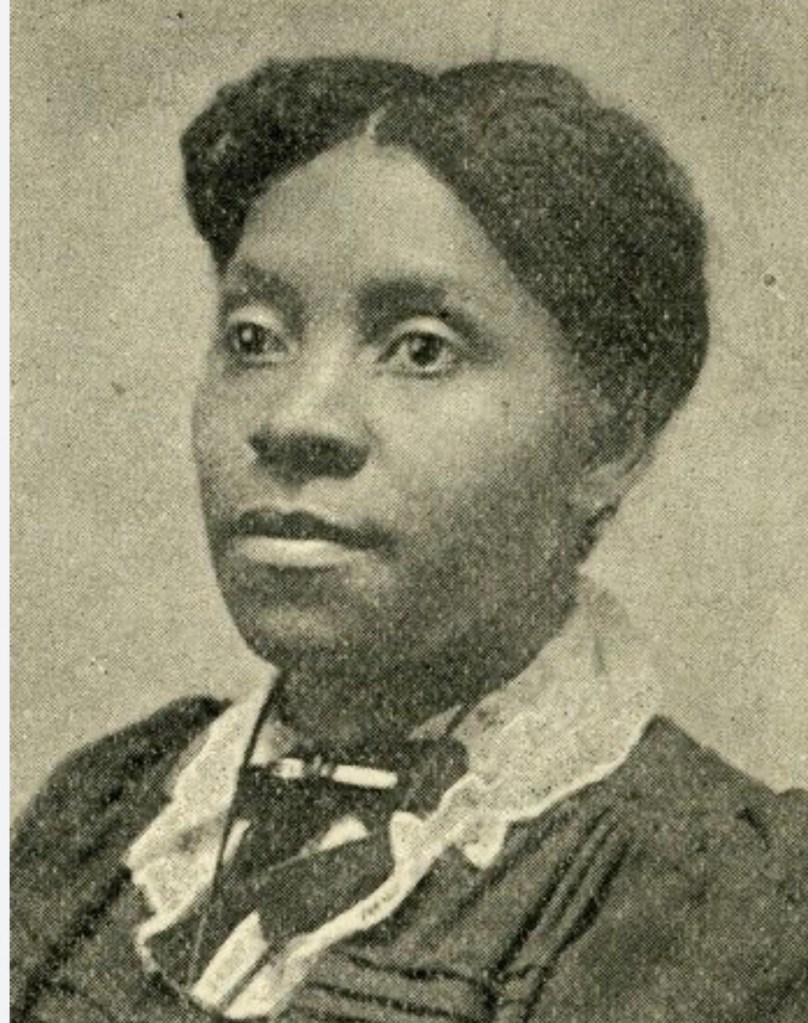
Sarah Rector was a young African American girl who gained fame in the early 20th century as one of the wealthiest Black individuals in the United States. Born in 1902 in Oklahoma, she was a member of the Muscogee (Creek) Nation. At just 11 years old, she inherited land that had been allotted to her family, which turned out to be rich in oil.
The significant wealth generated from her land led to her becoming a focus of media attention, and she was often referred to as “the richest colored girl in the world.” Despite her wealth, she faced various challenges, including legal battles over her finances and the management of her estate.
Rector’s story is a powerful reflection of racial and social dynamics in America during that time, highlighting both her remarkable success and the systemic challenges faced by Black individuals. She eventually moved to Kansas City, where she continued to live a life of relative comfort, and her legacy remains an important part of Black history in America.
Born in Decatur, Alabama in 1956 and raised in Chicago, Illinois. Developed an early interest in science and space. Earned a Bachelor’s degree in Chemical Engineering from Stanford University and a Medical degree (MD) from Cornell University.
Career Highlights:
Worked as a general practitioner and participated in medical research. Joined NASA in 1987 as an astronaut candidate. In 1992, became the first Black woman to travel in space, aboard the Space Shuttle Endeavour (STS-47).
Contributions and Impact:
Advocates for STEM education, especially for girls and minorities. Founded The Jemison Group, which focuses on technology and innovation for social change. Inspires future generations to pursue science, engineering, and space exploration regardless of barriers.
Awards and Recognition:
Inducted into the National Women’s Hall of Fame. Named one of Time Magazine’s 100 most influential people. Continues to receive global recognition for her contributions to science, technology, and education.
💡 Key Takeaway:
Mae Jemison’s journey shows that curiosity, courage, and perseverance can break barriers in even the most challenging fields, inspiring countless young scientists and astronauts around the world.
Born in Los Angeles, California in 1998. Overcame a speech impediment as a child, which inspired her love of words and poetry. Graduated from Harvard University with a degree in Sociology, focusing on issues of oppression, marginalization, and race.
Career Highlights:
National Youth Poet Laureate (2017–2018): First person to hold this title, showcasing her early influence. 2021 Presidential Inauguration: Delivered her poem “The Hill We Climb”, earning international acclaim for her eloquence and vision. Author: Published poetry collections including The Hill We Climb and Change Sings, aimed at inspiring social change.
Activism and Influence:
Focuses on themes of social justice, equality, and empowerment. Advocates for education, civic engagement, and the power of young voices. Inspires youth worldwide to use poetry and art as tools for change.
Impact:
Recognized as a symbol of hope and resilience. Became the youngest inaugural poet in U.S. history. Continues to influence culture, literature, and activism globally.
💡 Key Quote:
“For there is always light, if only we’re brave enough to see it. If only we’re brave enough to be it.” — Amanda Gorman
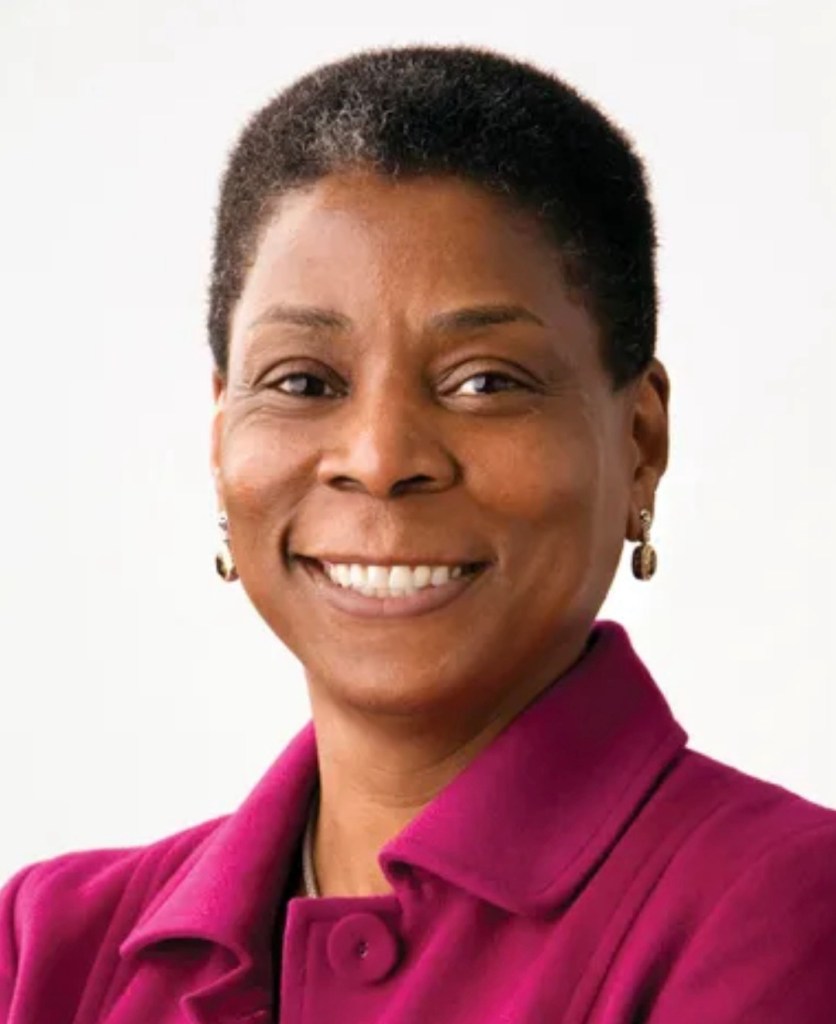
Born in New York City in 1958, raised in a housing project in Manhattan. Earned a Bachelor’s in Mechanical Engineering from Polytechnic Institute of New York University and a Master’s in Mechanical Engineering from Columbia University.
Career Highlights:
Joined Xerox as an intern in 1980 and worked her way up over decades. Became CEO of Xerox in 2009, making her the first Black woman to lead a Fortune 500 company. Later served as Chairman of the Board, continuing to influence corporate strategy and innovation.
Impact and Achievements:
Advocated for diversity and inclusion in corporate America. Focused on innovation and technology, guiding Xerox through major transitions in the tech industry. Inspires women and people of color to pursue careers in STEM and leadership roles.
Awards and Recognition:
Ranked among Time magazine’s 100 most influential people. Honored for contributions to business leadership, engineering, and social advocacy.
💡 Key Takeaway:
Ursula Burns’ journey from a New York housing project to the helm of a Fortune 500 company demonstrates the power of education, persistence, and breaking barriers in business and leadership.
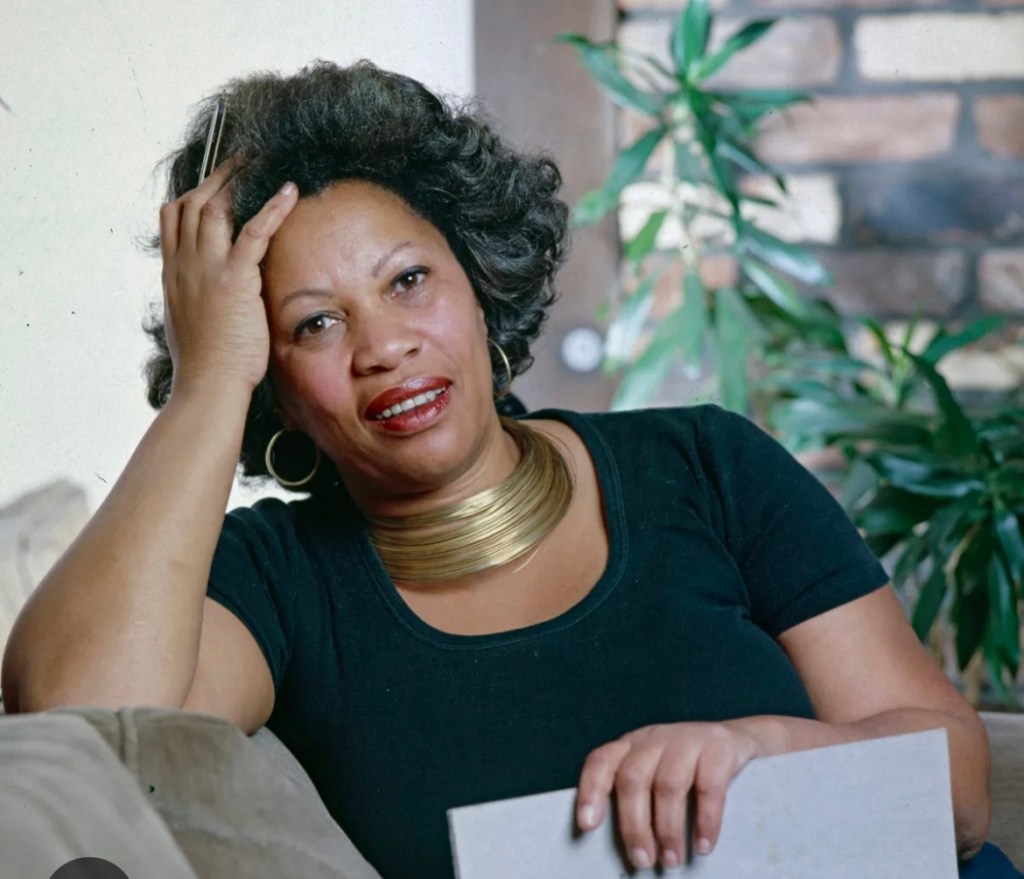
Born Chloe Anthony Wofford in Lorain, Ohio. Grew up listening to the stories of her family and community, which inspired much of her writing.
Career Highlights:
Editor: Worked as an editor at Random House, helping bring Black literature to a wider audience. Novelist: Known for novels like Beloved, Song of Solomon, and The Bluest Eye. Beloved won the Pulitzer Prize for Fiction in 1988. Nobel Prize: Awarded the Nobel Prize in Literature in 1993, recognized for her rich storytelling and profound exploration of Black identity and history.
Themes in Her Work:
The Black experience in America, especially African American women’s lives. The legacy of slavery and its psychological effects. Community, family, and personal identity. The power of language, memory, and storytelling.
Impact:
Morrison gave a voice to stories often overlooked in mainstream literature. Her work continues to influence writers, scholars, and activists worldwide. Beyond literature, she was a public intellectual, speaking on race, gender, and social justice.
💡 Quote to Remember:
“If there’s a book that you want to read, but it hasn’t been written yet, then you must write it.” — Toni Morrison
Instructions: Answer each question honestly. Keep track of your answers and see your results at the end.
1. How often do you go on dates?
a) Rarely, only when I meet someone special.
b) Occasionally, when I feel like it.
c) Almost constantly—I love meeting new people.
2. When a relationship ends, how do you respond?
a) I take time to heal and reflect before dating again.
b) I’m ready after a little time; I like to keep options open.
c) I dive back in quickly; I don’t like being single.
3. How do you feel about casual dating?
a) Not my style—I prefer meaningful connections.
b) I’m okay with it if it’s mutual and fun.
c) Love it! I enjoy meeting new people and exploring connections.
4. How long do your average relationships last?
a) Long-term; I focus on building stability.
b) Medium-term; I enjoy exploring different connections.
c) Short-term or on-and-off; I rarely stick around.
5. What motivates you to date?
a) Finding love and long-term partnership.
b) Enjoyment, companionship, and learning about others.
c) Excitement, adventure, and social engagement.
6. How do you feel about commitment?
a) Very comfortable—I want a serious relationship.
b) I’m open but cautious.
c) I avoid commitment; I prefer freedom and flexibility.
7. How do you handle attachment?
a) I develop deep emotional bonds with my partners.
b) I form bonds but keep some emotional distance.
c) I tend to keep it light and avoid heavy attachment.
Results:
Mostly A’s: The Steady Romantic
You value meaningful relationships and stability. You’re cautious but committed when you find the right person. Serial dating is not your style.
Mostly B’s: The Explorer
You enjoy dating and meeting new people but are open to something serious if it clicks. You can dabble in serial dating, but it’s balanced with reflection.
Mostly C’s: The Serial Dater
You thrive on excitement, variety, and new experiences. You often move quickly from one relationship to another and may struggle with long-term commitment.
What it is: Expressing love through verbal encouragement, praise, and appreciation. How to strengthen connection: Compliment sincerely: “I really admire how patient you are.” Express gratitude: “I appreciate you helping me today.” Send encouraging notes or texts regularly. Tip: Avoid generic flattery—make it personal and specific.
2. Acts of Service
What it is: Showing love through helpful actions, doing things for the other person. How to strengthen connection: Help with chores, errands, or tasks without being asked. Prepare a meal or fix something they’ve been struggling with. Take initiative—anticipate needs before they ask. Tip: Actions speak louder than words here. A small, thoughtful gesture goes a long way.
3. Receiving Gifts
What it is: Giving meaningful gifts as a symbol of love and thoughtfulness. How to strengthen connection: Give thoughtful, personalized gifts—no need to be expensive. Celebrate milestones with meaningful tokens or small surprises. A handwritten note or favorite snack can have big impact. Tip: The gift communicates “I see you and you matter to me.”
4. Quality Time
What it is: Spending undivided attention together, fully present in the moment. How to strengthen connection: Schedule regular time to be together without distractions (phones, TV, etc.). Engage in shared activities—walks, games, cooking together. Have meaningful conversations, not just small talk. Tip: It’s better to have short, focused time than long, distracted time.
5. Physical Touch
What it is: Expressing love through physical contact, such as hugs, holding hands, or a pat on the back. How to strengthen connection: Offer hugs, gentle touches, or hand-holding to convey support. Be attentive to what kind of touch the other person is comfortable with. Non-sexual touch can be very comforting and connecting. Tip: Physical presence reinforces emotional presence.
How to Master Them
Identify each other’s primary love language. Take a quiz or observe what they respond to most. Practice regularly—consistency beats occasional grand gestures. Communicate openly: Ask, “How can I show you love today?” Mix languages—even if you don’t naturally use their love language, small efforts make a big impact. Be patient—habits take time to build, and understanding someone deeply is ongoing.
February has 28 days in a common year and 29 days in a leap year. Leap years occur every 4 years to keep the calendar aligned with the Earth’s orbit around the Sun.
2. Holidays and Observances
Valentine’s Day (February 14): Celebrating love, friendship, and affection. Presidents’ Day (U.S., third Monday in February): Honors George Washington, Abraham Lincoln, and U.S. presidents in general. Groundhog Day (February 2): Folklore tradition predicting the arrival of spring. Black History Month (U.S. & Canada): Celebrates the achievements, history, and contributions of Black individuals and communities. Mardi Gras / Shrove Tuesday: Moves based on Easter, often in February, marked by parades, feasts, and celebration before Lent.
3. Seasonal Associations
In the Northern Hemisphere: Late winter; often cold and snowy. In the Southern Hemisphere: Late summer; warmer weather.
4. Symbolism
Birthstones: Amethyst (symbolizing peace, courage, and stability). Flowers: Violet and primrose (symbolizing love, modesty, and early blooms). Zodiac Signs: Aquarius (Jan 20 – Feb 18) and Pisces (Feb 19 – Mar 20).
5. Other Observances
National Heart Month (U.S.): Focus on heart health awareness. Random Acts of Kindness Week: Encourages kindness and compassion. Various countries celebrate cultural or historical days specific to February.
In short, February is often associated with love, history, awareness, and reflection, despite being the shortest month of the year.
Portable phone charger / power bank (fully charged) Flashlight with extra batteries Car emergency tool (seatbelt cutter + window breaker combo) Reflective emergency blanket (Mylar) – lightweight, keeps you warm Hand warmers & extra gloves
❄️ Warmth & Comfort
Extra coat, hat, scarf, thermal socks (in case you’re stranded without heat) Warm blanket (wool or fleece) Extra pair of boots or sturdy shoes Travel-size hygiene kit (wipes, tissues, sanitary pads/tampons, deodorant) Lip balm & hand cream (cold air dries out skin fast)
🍫 Food & Hydration
Water bottles (don’t fill all the way to the top — they can freeze and crack) Non-perishable snacks (protein bars, nuts, dried fruit, trail mix, peanut butter packs)
🛠 Car Care & Roadside Safety
Jumper cables or a portable jump starter Ice scraper & snow brush Small shovel (foldable is best) Kitty litter or sand (for tire traction on ice) Tire inflator / sealant spray (for small punctures) First aid kit (bandages, antiseptic wipes, pain relievers, personal meds) Road flares or reflective triangles (to stay visible at night)
👛 Personal Safety Additions
Pepper spray or personal alarm (if legal in your area) Copy of important documents (ID, insurance, roadside assistance info) in a waterproof pouch Small amount of cash (in case cards don’t work)
💡 Pro tip: Keep everything in a sturdy tote or backpack so it’s easy to grab if you need to leave the car.