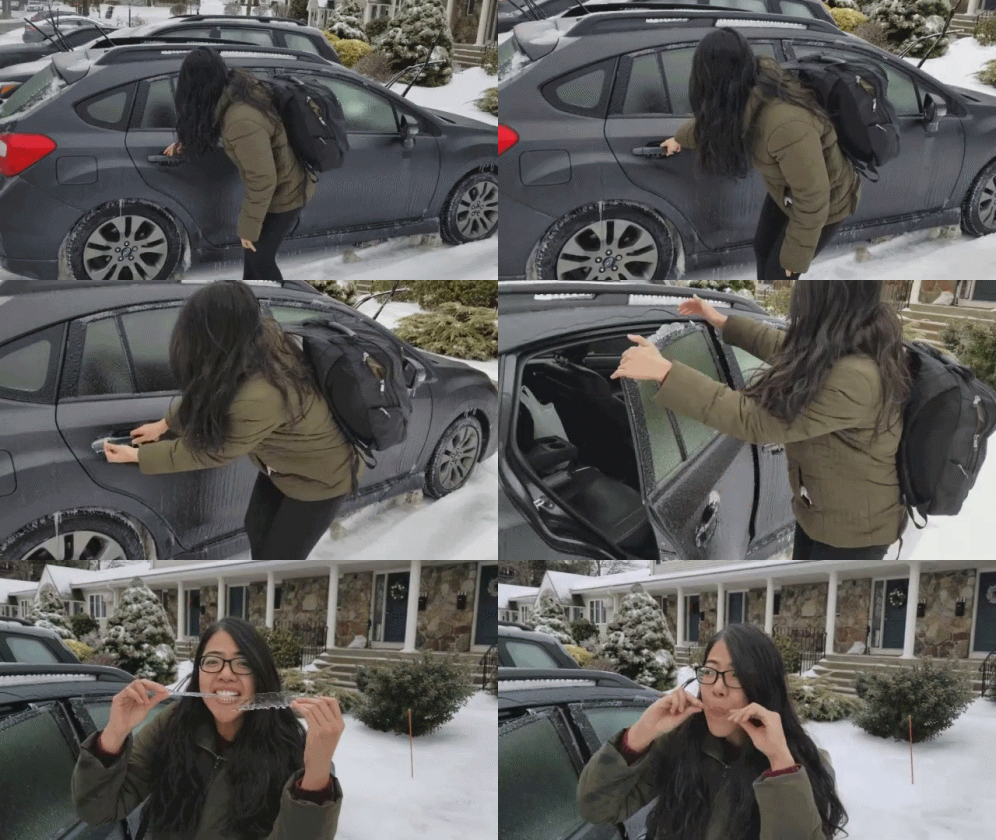
🚗 Winter Car Emergency Essentials for Women
🔋 Safety & Survival
Portable phone charger / power bank (fully charged) Flashlight with extra batteries Car emergency tool (seatbelt cutter + window breaker combo) Reflective emergency blanket (Mylar) – lightweight, keeps you warm Hand warmers & extra gloves
❄️ Warmth & Comfort
Extra coat, hat, scarf, thermal socks (in case you’re stranded without heat) Warm blanket (wool or fleece) Extra pair of boots or sturdy shoes Travel-size hygiene kit (wipes, tissues, sanitary pads/tampons, deodorant) Lip balm & hand cream (cold air dries out skin fast)
🍫 Food & Hydration
Water bottles (don’t fill all the way to the top — they can freeze and crack) Non-perishable snacks (protein bars, nuts, dried fruit, trail mix, peanut butter packs)
🛠 Car Care & Roadside Safety
Jumper cables or a portable jump starter Ice scraper & snow brush Small shovel (foldable is best) Kitty litter or sand (for tire traction on ice) Tire inflator / sealant spray (for small punctures) First aid kit (bandages, antiseptic wipes, pain relievers, personal meds) Road flares or reflective triangles (to stay visible at night)
👛 Personal Safety Additions
Pepper spray or personal alarm (if legal in your area) Copy of important documents (ID, insurance, roadside assistance info) in a waterproof pouch Small amount of cash (in case cards don’t work)
💡 Pro tip: Keep everything in a sturdy tote or backpack so it’s easy to grab if you need to leave the car.