• April 7, 2026

    There’s a season of life no one really prepares you for—the quiet one.

    Not the peaceful, everything-is-perfect kind of quiet. But the kind where the noise falls away, the crowd thins out, and you’re left standing with yourself. Your thoughts. Your unanswered questions. Your becoming.

    For a long time, I thought quiet meant something was wrong. That if I wasn’t producing, achieving, posting, or pouring myself out for everyone else, I must be falling behind. But this season has taught me something different: quiet is not absence. It’s invitation.

    When Life Slows You Down on Purpose

    My quiet season didn’t announce itself. It arrived subtly—through exhaustion, through disappointment, through a deep knowing that I could not keep moving at the pace I once did. The hustle that once felt empowering began to feel heavy. The yeses started costing me more than they gave.

    So I stopped. Or rather, life asked me to.

    And in that stillness, I realized how much of my identity had been wrapped in doing instead of being.

    For many women, especially those who are natural caregivers, leaders, creators, and fixers, quiet can feel uncomfortable. We’re used to showing up strong. We’re praised for resilience, for holding everything together, for surviving storms without complaint. But no one talks enough about the sacredness of rest—or the courage it takes to choose it.

    Quiet Doesn’t Mean You’re Invisible

    Walking in a quiet season can feel lonely. Friends may not understand why you’ve pulled back. Opportunities may slow. The applause fades. And if you’re not careful, you can start questioning your worth.

    But here’s the truth I’m learning: quiet seasons are often where the deepest work happens.

    This is where healing begins without an audience. Where clarity grows without pressure. Where God, intuition, or inner wisdom speaks softly—because finally, you’re listening.

    You are not invisible in this season. You are being refined.

    Learning to Listen to Myself Again

    In the quiet, I’ve had to face parts of myself I once ignored. The dreams I shelved for practicality. The boundaries I avoided because I didn’t want to disappoint. The exhaustion I normalized because “that’s just what women do.”

    This season has taught me how to ask myself better questions:

    What do I actually need right now? What am I doing out of obligation instead of alignment? Who am I when no one is watching or needing something from me?

    These questions aren’t always comfortable—but they are freeing.

    Growth Isn’t Always Loud

    We often celebrate visible wins: promotions, engagements, launches, glow-ups. But some of the most powerful growth looks like:

    Saying no without guilt Resting without explaining Choosing peace over proving Letting go of what no longer fits

    Quiet seasons don’t come to punish us. They come to prepare us.

    Just like seeds grow underground before they break the surface, much of your transformation may be happening where no one else can see it yet.

    For the Woman Walking Quietly Right Now

    If you’re in a season where life feels slower, softer, or uncertain—please hear this: you are not behind. You are not failing. You are not wasting time.

    You are gathering yourself.

    You are learning discernment.

    You are strengthening your inner voice.

    You are becoming more rooted, more intentional, more whole.

    And when the next season comes—and it will—you’ll step into it with wisdom you couldn’t have gained any other way.

    Until then, walk gently.

    Honor the quiet.

    Trust what’s growing within you.

    This season matters.

  • 4-6-26

    When Hope Rose From the Grave

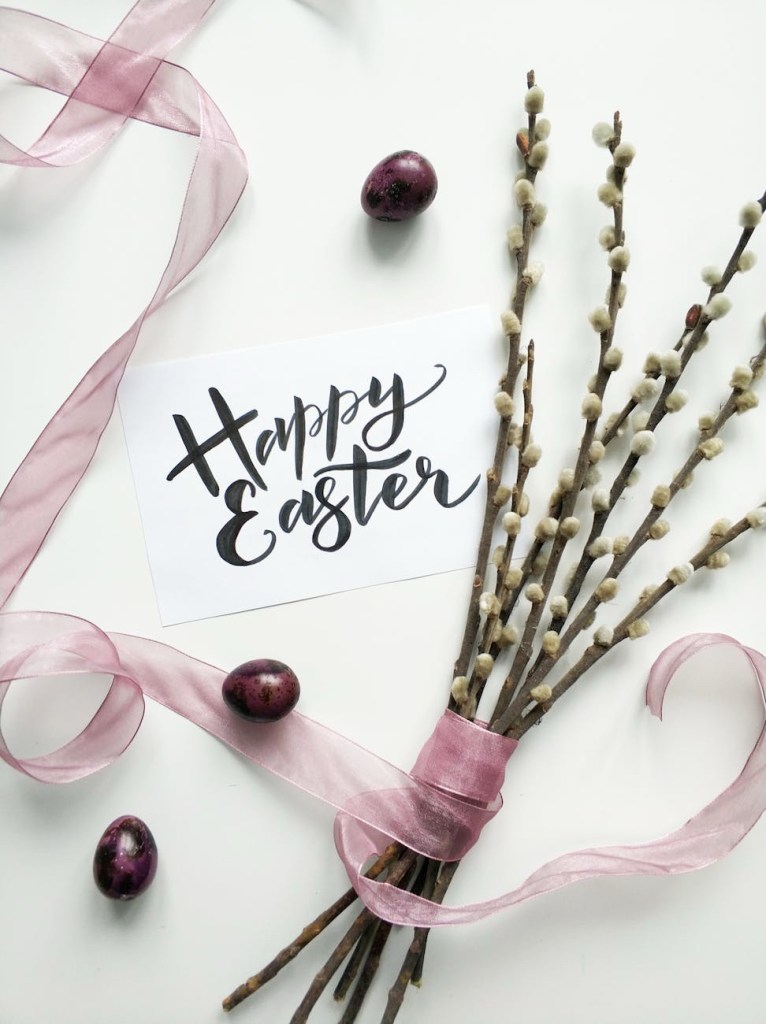
    Easter is more than a celebration. It is a declaration.

    On the first Easter morning, the stone was rolled away—not just from a tomb, but from the hearts of people who thought hope was lost forever. What looked like the end became the beginning. What felt like defeat became victory. What appeared silent was filled with life.

    Easter reminds us that God does His greatest work in places we believe are finished.

    The Power of an Empty Tomb

    The resurrection of Jesus is not just a historical moment—it is a living promise. It tells us that death does not have the final word, suffering is not the end of the story, and darkness cannot overcome the light.

    The tomb was empty, but it was not meaningless. It was filled with purpose.

    For the disciples, the resurrection shattered fear and replaced it with courage. For the broken, it offered restoration. For the grieving, it brought comfort. For the world, it revealed that love is stronger than death.

    Easter does not deny pain—it transforms it.

    When Life Feels Like Friday

    Many of us arrive at Easter carrying the weight of our own “Good Fridays.” Disappointment. Loss. Unanswered prayers. Moments where God feels distant and hope feels buried.

    But Easter reminds us that just because something looks dead does not mean God is finished with it.

    Friday was painful. Saturday was silent. But Sunday came.

    God often works in the waiting, in the silence, and in the moments we least expect. Resurrection rarely comes on our timeline—but it always comes with purpose.

    Resurrection Is Personal

    Easter is not only about what happened to Jesus—it’s about what can happen in us.

    Resurrection means:

    New beginnings where we thought there were only endings Healing where wounds once defined us Forgiveness that restores what shame tried to destroy Hope that rises even after years of discouragement

    The same power that raised Christ from the dead is still at work today—bringing life to weary hearts, faith to doubting minds, and courage to fearful souls.

    Easter invites us to believe again.

    Living as Resurrection People

    The message of Easter doesn’t end at the empty tomb—it continues in how we live.

    We are called to be people of resurrection:

    Choosing love over fear Hope over despair Grace over judgment Faith over certainty

    When we live this way, we become living testimonies of Easter—walking reminders that God still brings life out of brokenness.

    The Invitation of Easter

    Easter is an invitation to step into new life.

    If you feel lost, Easter invites you to be found.

    If you feel weary, Easter invites you to rest in hope.

    If you feel broken, Easter invites you to be restored.

    No matter where you’ve been or what you’re carrying, resurrection is possible.

    Because the tomb is empty.

    Because love won.

    Because Jesus lives.

    And because of that, hope is alive.

    He is risen. He is risen indeed.

  • ✝️ The Meaning of Easter

    The Resurrection of Jesus Easter celebrates the resurrection of Jesus Christ from the dead, three days after His crucifixion (as described in the New Testament). For Christians, this moment represents victory over sin and death, proving that eternal life is possible through faith in Him. Hope and Renewal Easter is a reminder that even after pain, darkness, or loss, new life and hope are possible. It symbolizes spiritual rebirth, forgiveness, and starting again. The Fulfillment of God’s Promise It confirms the promises God made throughout scripture—that He would send a Savior to redeem humanity.

    🌸 Why We Celebrate Easter

    To Honor Jesus’ Sacrifice and Triumph His death on the cross represents love and sacrifice; His resurrection represents power and victory. Celebrating Easter is a way to honor this central truth of the Christian faith. A Time of Reflection and Gratitude It encourages us to reflect on our lives, our faith, and the grace we’ve been given. It’s a chance to be thankful for second chances and new beginnings. Community and Tradition Easter brings families, churches, and communities together in worship, prayer, and celebration. Traditions like sunrise services, Easter dinners, and even eggs (which symbolize new life) all highlight themes of joy and renewal.

    ✨ In short: Easter is about celebrating Jesus’ victory over death, the gift of eternal life, and the hope that comes with renewal. It matters because it reminds us that no matter how dark things seem, light and life always return.

  • ✝️ Prophecy of the Resurrection (Old Testament Foreshadowing)

    Isaiah 25:8 – “He will swallow up death forever. The Sovereign Lord will wipe away the tears from all faces.” Psalm 16:10 – “For you will not abandon my soul to Sheol, or let your holy one see corruption.”

    These verses point to God’s plan to defeat death through the Messiah.

    ✝️ The Resurrection of Jesus (The Easter Story)

    Matthew 28:5–6 – “The angel said to the women, ‘Do not be afraid, for I know that you seek Jesus who was crucified. He is not here, for He has risen, as He said. Come, see the place where He lay.’” Mark 16:6 – “Don’t be alarmed. You are looking for Jesus the Nazarene, who was crucified. He has risen! He is not here.” Luke 24:6–7 – “He is not here; He has risen! Remember how He told you, while He was still with you in Galilee: ‘The Son of Man must be delivered over to the hands of sinners, be crucified and on the third day be raised again.’” John 11:25–26 – Jesus said to her, ‘I am the resurrection and the life. The one who believes in me will live, even though they die; and whoever lives by believing in me will never die.’”

    ✝️ The Power and Meaning of the Resurrection

    Romans 6:9 – “For we know that since Christ was raised from the dead, He cannot die again; death no longer has mastery over Him.” Romans 10:9 – “If you declare with your mouth, ‘Jesus is Lord,’ and believe in your heart that God raised Him from the dead, you will be saved.” 1 Corinthians 15:20–22 – “But Christ has indeed been raised from the dead, the firstfruits of those who have fallen asleep. For since death came through a man, the resurrection of the dead comes also through a man. For as in Adam all die, so in Christ all will be made alive.” 1 Peter 1:3 – “Praise be to the God and Father of our Lord Jesus Christ! In His great mercy He has given us new birth into a living hope through the resurrection of Jesus Christ from the dead.”

    👉 In short: The Bible teaches that Easter is the celebration of Jesus’ resurrection — the foundation of salvation, forgiveness, and eternal life for believers.

  • Acknowledgment

    1. Education: Share information about sexual assault, its prevalence, and its impact. Use social media, blogs, or community events to spread awareness.
    2. Participate in Events: Join or organize events like walks, workshops, or discussions focused on sexual assault awareness and prevention.
    3. Support Organizations: Contribute to or volunteer with local organizations that provide support to survivors and work toward prevention.

    If You Have Been Assaulted

    1. Seek Support: Talk to someone you trust, whether a friend, family member, or counselor.
    2. Consider Reporting: Decide if you want to report the assault to authorities. Know that this is a personal choice and there is no right or wrong decision.
    3. Reach Out for Professional Help: Therapists and counselors who specialize in trauma can provide a safe space to process your experience.
    4. Know Your Rights: Familiarize yourself with your rights as a survivor, including medical care and legal options.

    Helping a Friend

    1. Listen Without Judgment: Offer a safe space for your friend to share their experience. Let them know you believe them and are there for support.
    2. Encourage Professional Help: Gently suggest they talk to a professional who can help them navigate their feelings and options.
    3. Respect Their Choices: Support your friend in whatever decisions they make, whether it’s reporting the incident or seeking therapy.
    4. Be There: Continue to check in on them. Just being present can make a significant difference.

    Awareness and support can empower survivors and contribute to a culture that stands against sexual violence.

  • Celebrating World Autism Awareness Day

    1. Educate Yourself and Others:
    • Learn about autism, its characteristics, and the experiences of individuals on the spectrum.
    • Share resources and information with friends, family, and your community to promote understanding.
    1. Participate in Events:
    • Join local or virtual events, such as workshops, webinars, or community gatherings focused on autism awareness.
    • Support or participate in fundraising events for autism research and support organizations.
    1. Light It Up Blue:
    • Wear blue clothing or accessories, or use blue lights at home or in your community to show support for autism awareness.
    • This campaign, initiated by Autism Speaks, symbolizes solidarity with individuals on the autism spectrum.
    1. Advocate for Inclusion:
    • Promote inclusive practices in schools, workplaces, and communities to create environments where individuals with autism can thrive.
    • Support policies and initiatives that enhance accessibility and resources for individuals with ASD.
    1. Highlight Autistic Voices:
    • Share stories and perspectives from individuals on the autism spectrum to amplify their voices and experiences.
    • Encourage conversations about neurodiversity and the unique strengths and challenges faced by autistic individuals.
    1. Connect with the Community:
    • Reach out to local autism support groups or organizations to learn how you can get involved or help.
    • Offer your time or resources to support families and individuals affected by autism.

    By celebrating World Autism Awareness Day, we can contribute to a greater understanding of autism and foster a more inclusive society for everyone.

  • 🎭 Origins of April Fools’ Day

    The exact beginning is unclear, but there are a few strong theories:

    Calendar Change Theory (France, 1582) In 1582, France switched from the Julian calendar to the Gregorian calendar (the one we use today). Under the old calendar, New Year’s Day was celebrated around April 1st. People who continued celebrating the “old New Year” in April were called “April fools” and often mocked with jokes or fake gifts.

    Spring Festival Traditions In Europe, springtime was often celebrated with playful rituals, jokes, and mischief. April Fools’ may have grown out of these seasonal traditions.

    British Popularization (1700s) By the 18th century, April Fools’ had spread through Britain. In Scotland, it even became a two-day event, with “Hunt the Gowk Day” (gowk = fool), where people were sent on silly errands.

    👉 So, while we can’t pin it to one exact person, it likely began in France in the late 1500s with the calendar change and spread across Europe as a day of pranks and jokes.

    🤡 Fun (and Harmless) April Fools’ Pranks

    Here are some lighthearted, family-friendly, and workplace-safe pranks:

    Around the House

    Soap That Won’t Lather – Paint a bar of soap with clear nail polish. Juice Trick – Pour orange Jell-O into a clear glass, let it set, then serve as “orange juice.” Upside-Down Day – Turn family photos, clocks, or chairs upside down.

    For Kids

    Backwards Outfit – Tell them it’s “Backwards Day” and send them to school with clothes inside-out. Frozen Cereal – Freeze a bowl of cereal and milk overnight, then serve at breakfast. Switch Snacks – Put grapes in a candy wrapper bag or swap the inside of Oreo cookies with toothpaste (make sure they only pretend to eat!).

    For Adults

    Mouse Sensor Tape – Put a piece of tape over the bottom of a computer mouse. Autocorrect Joke – Change a friend’s phone autocorrect so “hello” becomes “meow.” Coffee Swap – Put salt instead of sugar in the sugar jar (make sure they don’t actually drink too much!).

    ✨ The key: April Fools’ pranks should be safe, lighthearted, and not mean-spirited. The best ones make people laugh without causing harm or embarrassment.

  • So for my house , my husband does most of the cooking and I do the baking ! The kids also help out alot in the kitchen too ! So we end up cooking together and everyone contributes something with their favorite dishes ! So I hope you enjoy the list my family and I came up with ! Our menu will be similar 💕

    🥗 Starters & Sides (fresh & affordable)

    Deviled Eggs – Classic, cheap, and perfect for Easter since you likely already have boiled eggs from decorating.

    Roasted Carrots with Honey & Herbs – Inexpensive, colorful, and a nod to spring.

    Garlic Green Beans or Collard Greens – Fresh, light, and affordable sides.

    Potato Salad or Mashed Potatoes – Potatoes stretch far and are very budget-friendly.

    Macaroni & Cheese – A family favorite that feels comforting and festive.

    🍖 Main Dishes (budget-conscious)

    Glazed Ham – A traditional Easter centerpiece; buying a half or spiral ham often feeds many at a low cost per serving.

    Baked Chicken with Herbs or Lemon – A more affordable alternative if ham is pricey.

    Roast Turkey Breast – Often on sale around holidays, and less expensive than a full turkey.

    Vegetarian Option: Stuffed Peppers or Lentil Loaf – Filling, tasty, and easy on the wallet.

    🍞 Bread & Extras

    Homemade Dinner Rolls – Flour, yeast, and butter go a long way.

    Cornbread or Biscuits – Southern-style comfort on a budget.

    Hot Cross Buns (sweet rolls with raisins) – A classic Easter tradition, and inexpensive if made from scratch.

    🍰 Desserts (simple & sweet)

    Carrot Cake or Cupcakes – Affordable, festive, and perfect for Easter.

    Fruit Salad or Trifle – Seasonal fruit layered with whipped cream or pudding.

    Easter Cookies – Sugar cookies decorated with pastel icing.

    Pineapple Upside-Down Cake – Budget-friendly, retro, and a crowd-pleaser.

    💡 Budget-Friendly Tips

    Shop sales early – Ham, eggs, and produce often go on discount before Easter.

    Potluck style – If hosting, have family members each bring a side or dessert.

    Stretch dishes – Casseroles, pasta bakes, or roasted veggies feed more people for less.

    DIY baskets & décor – Simple, homemade touches save money while keeping things festive.

  • 🕊️ Faith-Based Traditions with Children

    Easter Sunday Church Service – Dressing up and attending church together, sometimes for a sunrise service. Resurrection Eggs – Plastic eggs that tell the story of Jesus’ death and resurrection with small symbols inside (like a cross, stone, or cloth). Reading the Easter Story – Families read passages from the Bible (Matthew 28, Luke 24) and explain the resurrection in kid-friendly ways. Passion Plays or Skits – Some churches have children act out parts of the Easter story.

    🐰 Fun & Family Traditions

    Easter Egg Hunt – Hiding colorful eggs filled with candy, coins, or small toys for kids to find. Dyeing & Decorating Eggs – Using dye kits, stickers, or paints to make eggs bright and creative. Easter Baskets – Kids wake up to baskets filled with candy, books, or little gifts. Easter Bunny Visit – Some families take children to meet the Easter Bunny for photos. Spring Crafts & Baking – Making bunny or chick crafts, or baking treats like hot cross buns, cupcakes, or cookies.

    🌸 Family & Community Traditions

    Big Family Meal – Gathering for a special Easter dinner, often with ham, lamb, or traditional foods. Parades or Festivals – In some places, families attend Easter parades or spring fairs. Spring Outfits – Children wear “Easter outfits” (dresses, pastel suits, or new clothes) for church or family photos.

    ✨ The beauty of Easter traditions is that they can balance celebrating Jesus’ resurrection while also giving kids joyful and memorable activities.

  • Happiness is often presented as a destination—a place we arrive at once everything is finally in order. The right job. The right relationship. The right version of ourselves. But for most people, happiness doesn’t show up as constant joy or excitement. It shows up as something quieter, more grounded, and far more human.

    Being happy with life doesn’t mean being happy all the time. It means feeling at home in your own life—even when it’s imperfect.

    Redefining What Happiness Really Is

    True happiness isn’t a permanent emotional high. It’s not the absence of struggle, stress, or sadness. Life will always include uncertainty and difficulty. Happiness is the ability to move through those moments without feeling completely disconnected from yourself or your sense of meaning.

    Being happy with life often looks like:

    Feeling mostly aligned with how you’re living Having a sense of purpose or direction, even if it’s still forming Being able to experience joy and disappointment without losing yourself Feeling safe enough to be honest about how you really feel

    In other words, happiness is less about how life looks from the outside and more about how it feels on the inside.

    Why So Many People Feel “Unhappy” Even When Life Looks Fine

    One of the most confusing experiences is feeling unhappy when, on paper, everything seems fine. This often happens when we’re living a life that meets expectations—but not our own.

    We can feel disconnected when:

    We’re constantly comparing our lives to others We’re living on autopilot instead of intentionally We’ve outgrown old goals but haven’t created new ones We’re ignoring our emotional or mental needs We’re afraid to admit we want something different

    Unhappiness isn’t a personal failure. It’s usually information—a signal that something within us needs attention, honesty, or change.

    Embracing Life When Happiness Feels Out of Reach

    Sometimes, the most compassionate thing we can do is stop trying to “fix” our happiness and instead learn how to be present with where we are.

    Embracing life as it is doesn’t mean giving up. It means acknowledging reality without judgment.

    This can look like:

    Allowing yourself to feel disappointed, tired, or uncertain Practicing gratitude without using it to invalidate your pain Finding moments of peace rather than chasing constant joy Letting go of the idea that you should feel differently than you do

    Acceptance creates space. And in that space, clarity often begins to emerge.

    Knowing When It’s Time to Change

    While acceptance is powerful, it’s also important to recognize when unhappiness is asking for action.

    Change may be needed if:

    You feel consistently drained or numb Your values no longer match how you’re living You’re staying stuck out of fear rather than choice You’ve lost a sense of meaning or direction

    Change doesn’t have to be dramatic or immediate. Small, intentional shifts often create the biggest impact over time.

    Ask yourself:

    What feels misaligned in my life right now? What am I tolerating that’s quietly costing me peace? What would a slightly better version of my life look like?

    You don’t need all the answers—just a willingness to start listening.

    Practical Ways to Move Toward a Happier Life

    Happiness grows through consistent, honest choices—not sudden transformations.

    Reconnect with your values. When your life reflects what truly matters to you, happiness becomes more sustainable. Create space for rest and reflection. Constant busyness can numb happiness. Nurture meaningful relationships. Connection is one of the strongest predictors of life satisfaction. Challenge the “shoulds.” Question expectations that no longer serve you. Take one small step. Change doesn’t require certainty—just movement.

    Most importantly, treat yourself with kindness during the process. Growth isn’t linear, and happiness doesn’t follow a schedule.

    A More Honest Definition of a Happy Life

    A happy life isn’t a perfect one. It’s a life where you feel allowed to be human.

    It’s knowing that you can experience joy without pretending everything is fine, and experience sadness without believing something is wrong with you. It’s feeling empowered to accept what you can’t change—and brave enough to change what you can.

    If you’re happy with life right now, honor that. Stay present. Protect what matters.

    If you aren’t, trust that your feelings are pointing you toward something important. Happiness isn’t something you’re missing—it’s something you’re learning how to create, one honest step at a time.