1. Time Management: Prioritize your schedule to include time for exercise, meal prep, and self-care. Use planners or apps to stay organized.
    2. Meal Prep: Prepare healthy meals in advance to save time during the week. Focus on easy, nutritious recipes that can be made in bulk.
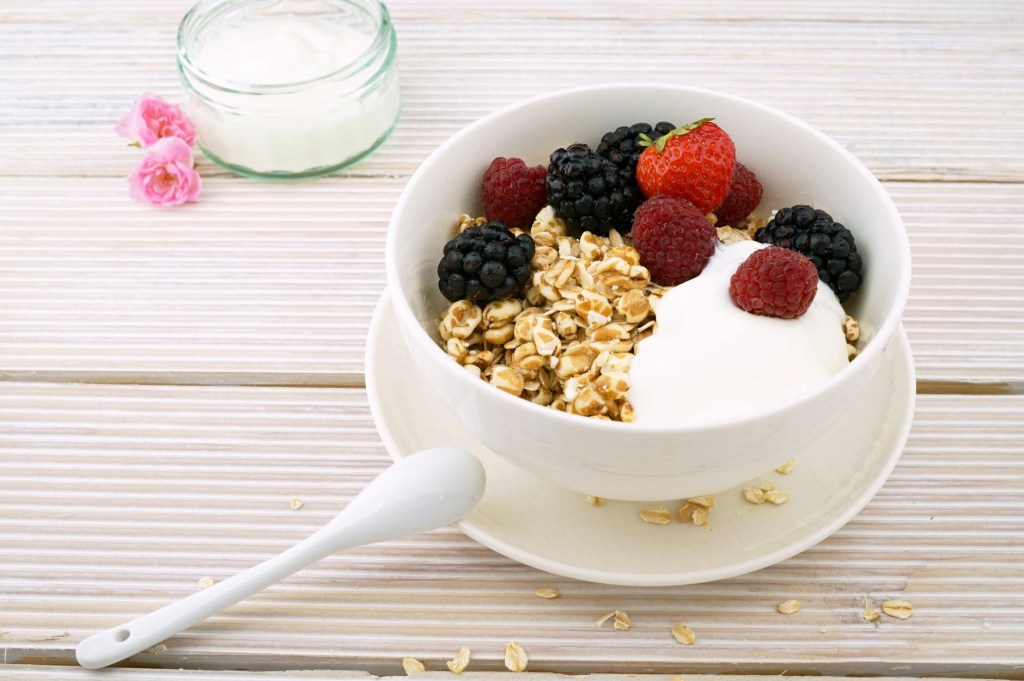
    3. Healthy Snacking: Keep nutritious snacks on hand, like nuts, fruits, yogurt, or pre-cut vegetables, to avoid unhealthy options when you’re on the go.
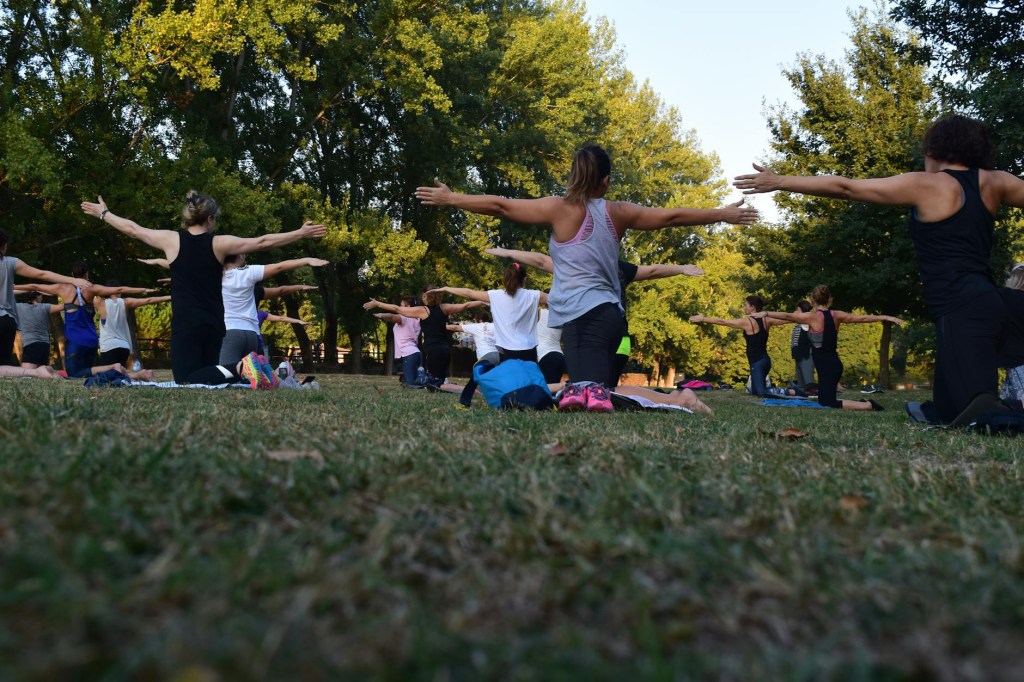
    4. Stay Active: Incorporate physical activity into your daily routine, such as taking the stairs, walking during lunch breaks, or doing quick at-home workouts.
    5. Hydration: Carry a water bottle to ensure you’re drinking enough water throughout the day. Staying hydrated is key for energy and health.
    6. Prioritize Sleep: Aim for quality sleep by establishing a bedtime routine and creating a restful environment. Sleep is crucial for overall health and productivity.
    7. Mindfulness Practices: Incorporate short mindfulness or meditation sessions into your day to reduce stress and enhance mental clarity.
    8. Set Realistic Goals: Focus on achievable health goals that fit your lifestyle, and celebrate small successes along the way.
    9. Seek Support: Connect with friends or family for accountability, or consider joining a fitness class or group that aligns with your interests.
    10. Self-Care: Dedicate time for activities that promote relaxation and enjoyment, whether it’s reading, taking a bath, or enjoying a hobby.

    By incorporating these essentials into your routine, you can maintain a healthy lifestyle even amidst a busy schedule. It’s all about finding balance and making mindful choices.


    1. Quality of Life: Good health enhances your overall quality of life, allowing you to enjoy daily activities, pursue hobbies, and maintain relationships with family and friends.
    2. Physical Well-Being: Maintaining good health helps prevent chronic diseases and conditions, leading to a longer, more active life.
    3. Mental Health: Physical health is closely linked to mental well-being. Regular exercise, a balanced diet, and adequate sleep can improve mood and reduce stress and anxiety.
    4. Productivity and Performance: Good health contributes to higher energy levels and better concentration, which can enhance performance at work or school.
    5. Financial Benefits: Investing in your health can lead to lower healthcare costs over time by preventing illnesses and reducing the need for medical treatments.
    6. Role Modeling: Taking care of your health sets a positive example for others, especially children and those in your community, promoting a culture of wellness.
    7. Resilience: A healthy body and mind can help you cope with stress and overcome challenges more effectively.
    8. Longevity: Prioritizing your health can lead to a longer lifespan with reduced risks of serious health issues.
    9. Empowerment: Being in good health empowers you to take control of your life, make informed decisions, and pursue your goals with confidence.
    10. Connection to Others: Good health enables you to engage in social interactions and participate in community activities, fostering connections and support networks.

    Overall, prioritizing your health is essential for personal fulfillment and contributes to the well-being of those around you.

  • 🔥 How Freaky Are You? Quiz

    1. Talking about sex makes you feel…

    A) Shy, I’d rather not.

    B) Curious, but I hold back.

    C) Comfortable, I don’t mind it.

    D) Excited—it’s my favorite topic.

    2. How adventurous are you in the bedroom?

    A) Pretty vanilla—keep it simple.

    B) Open to trying new things slowly.

    C) I enjoy experimenting often.

    D) The wilder, the better—let’s try it all!

    3. If your partner suggested a fantasy, you would…

    A) Blush and change the subject.

    B) Think about it, maybe try.

    C) Say yes if it excites me too.

    D) Jump in without hesitation.

    4. How do you feel about toys, roleplay, or props?

    A) Not my thing.

    B) Maybe one or two.

    C) I like mixing them in.

    D) Love them—can’t live without them.

    5. Public displays of affection?

    A) Hand-holding only.

    B) A little kissing is fine.

    C) Passionate kisses, no problem.

    D) I love the thrill of being risky.

    💋 Results

    Mostly A’s → Sweet & Shy – You prefer intimacy to stay private and simple. Nothing wrong with being cozy and classic. Mostly B’s → Curious Explorer – You’re open to dipping your toes into new experiences—just need the right partner to bring it out. Mostly C’s → Adventurous Lover – You enjoy experimenting and keeping things fresh, and your partner probably loves your energy. Mostly D’s → Wild & Unapologetic – You’re fearless, bold, and all about turning fantasies into reality. Nothing intimidates you.

    1. Exercise Regularly: Physical activity, such as walking, yoga, or dancing, can boost mood and reduce stress levels.
    2. Practice Mindfulness and Meditation: Techniques like meditation, deep breathing, and mindfulness can help calm the mind and reduce anxiety.
    3. Maintain a Balanced Diet: Eating a varied diet rich in fruits, vegetables, whole grains, and lean proteins can improve overall health and well-being.
    4. Stay Hydrated: Drinking enough water is crucial for physical health and can help prevent feelings of fatigue and stress.
    5. Get Enough Sleep: Prioritize quality sleep by establishing a regular sleep schedule and creating a relaxing bedtime routine.
    6. Connect with Others: Building and maintaining strong social connections can provide emotional support and reduce feelings of isolation.
    7. Engage in Hobbies: Spending time on activities you enjoy can be a great way to unwind and express creativity.
    8. Limit Alcohol and Caffeine: Reducing intake of stimulants and depressants can help stabilize mood and reduce anxiety.
    9. Seek Professional Help: If stress becomes overwhelming, talking to a therapist or counselor can provide valuable support and coping strategies.
    10. Practice Gratitude: Keeping a gratitude journal can help shift focus from stressors to positive aspects of life.

    Incorporating these practices into daily life can significantly improve mental and physical health.

    1. Overnight Oats: Combine rolled oats with yogurt or milk, chia seeds, and your favorite fruits. Let it sit overnight in the fridge for a ready-to-eat breakfast.
    2. Smoothie: Blend spinach, banana, yogurt, and a scoop of protein powder or nut butter for a nutritious smoothie that you can take on the go.
    3. Greek Yogurt Parfait: Layer Greek yogurt with granola and mixed berries in a jar for a quick and delicious breakfast.
    4. Avocado Toast: Mash avocado on whole-grain bread and top with a poached egg or sliced tomato. You can prepare the avocado ahead and assemble it quickly in the morning.
    5. Chia Seed Pudding: Mix chia seeds with milk (dairy or plant-based) and a sweetener of your choice. Let it sit overnight, then top with fruits and nuts in the morning.
    6. Peanut Butter Banana Wrap: Spread peanut butter on a whole-grain tortilla, place a banana in the center, and roll it up for a satisfying breakfast.
    7. Egg Muffins: Whisk eggs with vegetables, cheese, and cooked meat, pour into a muffin tin, and bake. These can be made ahead and reheated as needed.
    8. Cottage Cheese Bowl: Top cottage cheese with sliced peaches or pineapple and a sprinkle of nuts or seeds for a protein-packed breakfast.
    9. Instant Oatmeal Packets: Opt for unsweetened instant oatmeal packets. Just add hot water and top with fruits or nuts for a quick meal.
    10. Breakfast Bars: Keep a supply of healthy breakfast bars made from oats, nuts, and dried fruits for a grab-and-go option.

    These options are not only nutritious but also designed to fit into a busy schedule, allowing you to start your day off right!

    1. Self-Reflection: Regularly take time to reflect on your actions, decisions, and their impacts on others. Understanding your role in various situations is the first step toward accountability.
    2. Acknowledge Mistakes: Embrace the idea that making mistakes is part of being human. When you acknowledge your errors, you demonstrate strength and honesty, which can foster deeper connections with those around you.
    3. Communicate Openly: Practice open and transparent communication with your partner and children. Share your thoughts and feelings, and encourage them to do the same. This builds trust and mutual respect.
    4. Apologize When Necessary: When your actions hurt others, a sincere apology can go a long way. It shows that you recognize the impact of your behavior and are willing to take responsibility for it.
    5. Set Boundaries: Knowing your limits and communicating them clearly is essential. It helps maintain healthy relationships and ensures that you are taking care of your own needs as well.
    6. Lead by Example: As a mother and partner, your behavior sets the tone for your family. Demonstrating accountability in your actions encourages your children and partner to do the same.
    7. Seek Support: Don’t hesitate to reach out for support when needed. Whether it’s from friends, family, or professionals, having a support system can provide guidance and accountability.
    8. Practice Self-Compassion: Understand that accountability also involves being kind to yourself. Recognize that growth takes time and that you are doing your best.
    9. Encourage Accountability in Others: Foster an environment where accountability is valued. Encourage your family members to take responsibility for their actions as well.
    10. Continuous Learning: Commit to ongoing personal development. Engage in workshops, read books, or join discussions that focus on accountability and personal growth.

    By embracing these practices, women, wives, and mothers can cultivate a sense of accountability that enhances their relationships and personal well-being.

  • I know a lot of us , single or married can always use a little help . Here are some resources in Cleveland , Oh that may be able to help you !

    1. Cleveland Housing Network (CHN): Provides rental assistance and housing services to low-income families, including single mothers.
    2. The Salvation Army: Offers a range of services, including emergency financial assistance for rent and utilities, as well as support programs for families in need.
    3. United Way of Greater Cleveland: Connects families with various resources, including financial assistance, food programs, and housing support.
    4. Cuyahoga County Department of Health and Human Services: Provides financial assistance programs, including emergency rental assistance for eligible families.
    5. Family Promise of Greater Cleveland: Focuses on helping homeless families, offering shelter, housing assistance, and support services.
    6. Legal Aid Society of Cleveland: Offers legal assistance related to housing issues, including eviction prevention and tenant rights.
    7. Zion Covenant Church: Provides various support services, including rental assistance and food pantries for families in need.

    It’s a good idea to contact these organizations directly to learn more about the specific services they offer and how to apply for assistance.

    1. Neck Stretch:
    • Sit or stand up straight.
    • Slowly tilt your head to one side, bringing your ear toward your shoulder.
    • Hold for 15-30 seconds, then switch sides.
    1. Shoulder Stretch:
    • Bring one arm across your body.
    • Use the opposite hand to gently pull it closer to your chest.
    • Hold for 15-30 seconds and repeat on the other side.
    1. Chest Opener:
    • Stand with your feet shoulder-width apart.
    • Clasp your hands behind your back and straighten your arms.
    • Lift your arms slightly and open your chest.
    • Hold for 15-30 seconds.
    1. Cat-Cow Stretch:
    • Get on all fours with your hands under your shoulders and knees under your hips.
    • Inhale and arch your back (cow), then exhale and round your back (cat).
    • Repeat for 5-10 cycles.
    1. Hip Flexor Stretch:
    • Kneel on one knee with the other foot in front, forming a 90-degree angle.
    • Push your hips forward gently.
    • Hold for 15-30 seconds and switch sides.
    1. Hamstring Stretch:
    • Sit on the ground with one leg extended and the other bent.
    • Reach toward the toes of the extended leg while keeping your back straight.
    • Hold for 15-30 seconds and switch legs.
    1. Seated Forward Bend:
    • Sit with your legs straight in front of you.
    • Inhale and lengthen your spine, then exhale and reach toward your toes.
    • Hold for 15-30 seconds.
    1. Child’s Pose:
    • Kneel on the floor, sit back on your heels, and stretch your arms forward on the floor.
    • Relax your forehead on the mat and hold for 30 seconds.

    Incorporating these stretches into your daily routine can help improve flexibility, relieve tension, and promote relaxation. Aim to perform these stretches gently and breathe deeply while doing them.

    1. Encouragement: Encourage your friends to share their health experiences and feelings. Acknowledge that each woman’s journey is unique.
    2. Topics of Interest:
    • Reproductive Health: Conversations about menstrual cycles, pregnancy, menopause, and reproductive rights can be important.
    • Mental Health: Discussing mental well-being, including stress management, anxiety, and self-care practices.
    • Nutrition and Exercise: Sharing tips on healthy eating and fitness routines can inspire each other.
    1. Regular Check-Ups: Remind each other of the importance of regular health screenings such as mammograms, Pap smears, and routine check-ups.
    2. Support Systems: Talk about the importance of having a support system and how friends can help each other through challenging times.
    3. Sharing Resources: Share articles, books, or podcasts that focus on women’s health topics that might be beneficial.
    4. Respect Privacy: Be mindful of personal boundaries and respect each other’s privacy when discussing sensitive health issues.

    Creating a safe space for these conversations can strengthen friendships and promote better health awareness among women.

  • Weekly Workout Plan

    Day 1: Full-Body Strength Training (30-45 minutes)

    • Squats: 3 sets of 10-15 reps
    • Push-ups: 3 sets of 8-12 reps (modify as needed)
    • Dumbbell Rows: 3 sets of 10-12 reps per arm
    • Plank: 3 sets of 30-60 seconds

    Day 2: Cardio (20-30 minutes)

    • Brisk walking, jogging, cycling, or a HIIT workout (e.g., jumping jacks, burpees).
    • Aim for a moderate intensity that gets the heart rate up.

    Day 3: Yoga or Stretching (30 minutes)

    • Focus on flexibility and relaxation. Incorporate poses like Downward Dog, Warrior, and Child’s Pose.

    Day 4: Lower Body & Core (30-45 minutes)

    • Lunges: 3 sets of 10-12 reps per leg
    • Deadlifts (dumbbells or bodyweight): 3 sets of 10-15 reps
    • Glute Bridges: 3 sets of 15 reps
    • Russian Twists: 3 sets of 15 reps per side

    Day 5: Cardio Intervals (20-30 minutes)

    • Alternate between high-intensity bursts (30 seconds) and low-intensity recovery (1 minute).

    Day 6: Upper Body & Core (30-45 minutes)

    • Shoulder Press: 3 sets of 10-12 reps
    • Tricep Dips: 3 sets of 8-12 reps
    • Bicycle Crunches: 3 sets of 15 reps per side
    • Mountain Climbers: 3 sets of 30 seconds

    Day 7: Active Recovery

    • Light activities such as walking, casual biking, or swimming.

    Tips for Success

    • Time Management: Schedule workouts like appointments and stick to them.
    • Flexibility: If a day is too packed, opt for a quick 10-15 minute workout.
    • Stay Hydrated: Drink plenty of water throughout the day.
    • Nutrition: Combine workouts with a balanced diet for optimal results.
    • Listen to Your Body: Rest days are essential; adjust the regimen based on energy levels.

    This plan can be tailored to fit personal schedules, preferences, and fitness levels. Consistency is key, so find activities that are enjoyable to make it easier to stick with the regimen!