Clitoral Vibrators: These are designed specifically for external stimulation. Popular brands include the Womanizer and Satisfyer.
G-Spot Vibrators: These have a curved shape to target the G-spot effectively, with brands like LELO and We-Vibe being highly rated.
Dildos:
Non-vibrating dildos come in various shapes and materials. The glass or silicone options from brands like Fun Factory are often recommended.
Couples Toys:
Toys like the We-Vibe Sync can be used during intercourse and are designed to enhance pleasure for both partners.
Kegel Balls:
These help strengthen pelvic floor muscles. Brands like Elvie and Ben Wa are popular choices.
Remote-Controlled Toys:
Toys that can be controlled via an app or remote, such as the OhMiBod or Lovense products, are great for long-distance couples.
When choosing a sex toy, consider personal preferences, body type, and the types of stimulation you enjoy. Always prioritize body-safe materials and read reviews to find what suits you best.
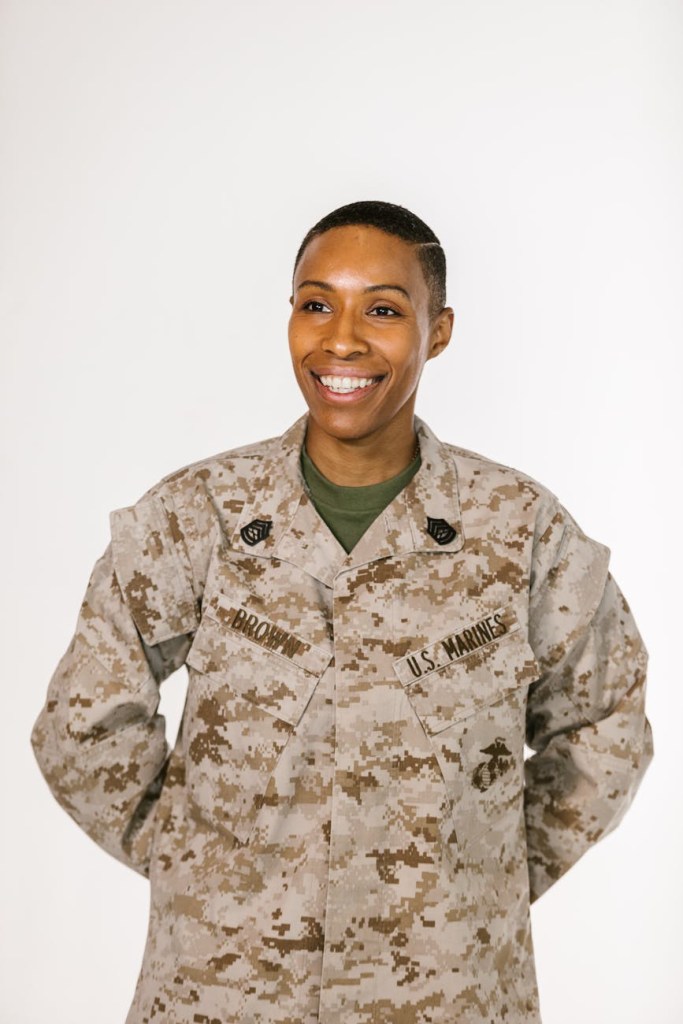
Recognition of Service: It acknowledges the bravery and dedication of veterans, honoring their service and the sacrifices they made for their country.
Awareness of Veteran Issues: The day raises awareness about the challenges veterans face, including mental health issues, unemployment, and access to healthcare.
Promotion of Unity: Celebrating Veterans Day fosters a sense of national unity and gratitude, reminding citizens of the shared responsibility to support those who’ve served.
Historical Significance: November 11 marks the anniversary of the armistice that ended World War I in 1918, making it a day of reflection on the cost of war.
How to Celebrate Veterans Day:
Attend Ceremonies: Participate in local parades, memorial services, or ceremonies that honor veterans.
Volunteer: Offer time at organizations that support veterans, such as homeless shelters, VA hospitals, or veteran service organizations.
Educate Others: Share stories and information about veterans’ experiences, and encourage discussions about their contributions and challenges.
Support Veteran-Owned Businesses: Make a point to shop at businesses owned by veterans to show support for their entrepreneurial efforts.
Thank a Veteran: Express gratitude by thanking veterans in your community, whether through personal interactions or by sending cards and letters.
Moment of Silence: Take a moment to reflect on the sacrifices made by veterans and remember those who have lost their lives in service.
By acknowledging Veterans Day in meaningful ways, we can honor those who have served and help improve the lives of veterans in our communities.
When you embrace your unique perspective, you not only validate your own experiences but also inspire others to express themselves. This can create a ripple effect, promoting a culture of openness and acceptance. Whether through art, writing, speaking, or any other medium, finding ways to express yourself can profoundly impact your life and those around you. How do you feel about your own self-expression?
Equality is about giving everyone the same opportunities, resources, and rights. If empowerment is lacking because people (e.g., women, minorities, marginalized groups) are not given the same voice, access, or leadership opportunities as others, it’s an equality problem. Example: If a company gives men leadership training but not women, that’s a denial of equal access — pure equality gap.
2. As an Equity Issue
Equity is about recognizing that not everyone starts from the same place, so you provide the specific support needed for people to reach the same level of opportunity and success. If empowerment is lacking because people face systemic disadvantages (historical exclusion, bias, cultural barriers), then the solution isn’t just “give them the same resources,” but adjust the support so they can realistically thrive. Example: Offering women mentorship, flexible work arrangements, or targeted leadership development in fields where they’ve been historically underrepresented — this is an equity solution to a lack of empowerment.
✅ In short:
If empowerment is missing because opportunities aren’t equal → Equality issue If empowerment is missing because fairness requires different kinds of support → Equity issue Often, it’s both — a lack of empowerment can stem from not having equal access and not having equitable support.
Self-Confidence: Cultivating a sense of self-worth and the belief in one’s abilities.
Access to Resources: Ensuring women have access to education, healthcare, financial resources, and opportunities.
Participation: Encouraging women to actively participate in decision-making processes in their communities and workplaces.
Advocacy: Supporting women’s rights and advocating for social change.
Equality, on the other hand, refers to the state of being equal in status, rights, and opportunities. In the context of gender, it means that women and men have the same rights, responsibilities, and opportunities in all areas of life, such as:
Economic Equality: Equal pay for equal work and access to job opportunities.
Political Equality: Equal representation in political offices and decision-making bodies.
Social Equality: Equal rights in relationships, education, and healthcare.
Difference:
The key difference lies in their focus:
Empowerment is about the process of enabling women to achieve their potential and make choices, while
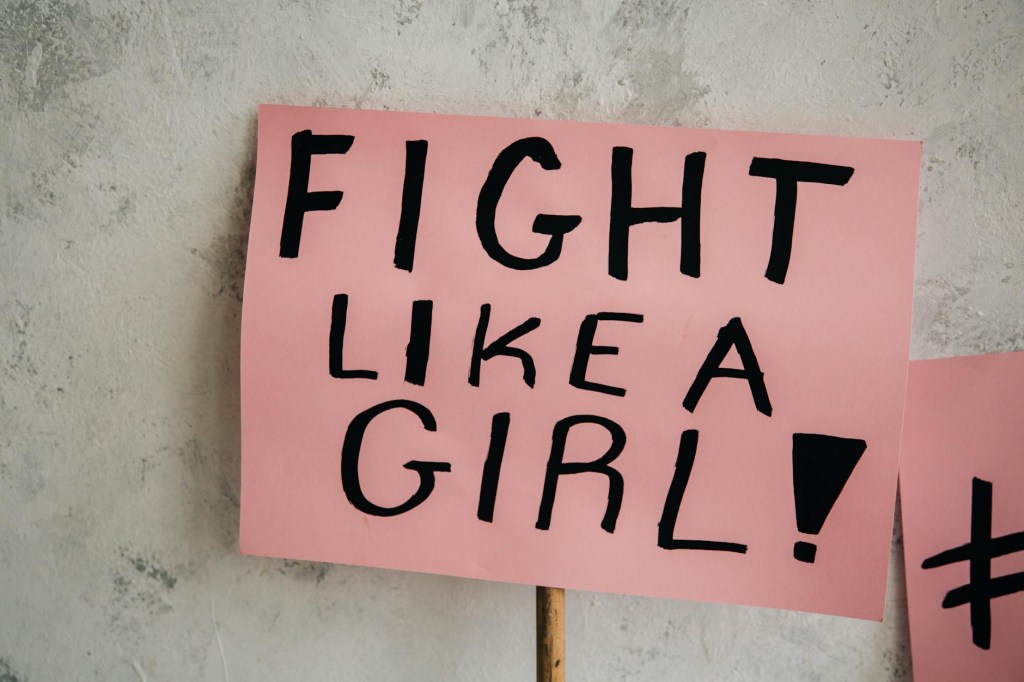
Equality is about ensuring that women have the same rights and opportunities as men.
In essence, empowerment is a means to achieve equality, and both are essential for creating a fair and just society.
Policy Reforms: Governments should implement policies that promote gender equality, such as equal pay legislation, parental leave, and anti-discrimination laws.
Education Access: Ensuring that girls have equal access to quality education can empower them with the skills and knowledge needed to succeed.
Healthcare Services: Providing comprehensive healthcare, including reproductive health services, is essential for women’s autonomy and well-being.
Workplace Equity: Organizations should adopt practices that promote gender diversity, such as mentorship programs, flexible work arrangements, and transparent hiring processes.
Legal Protections: Strengthening laws against gender-based violence and harassment can create safer environments for women both in public and private settings.
Societal Changes:
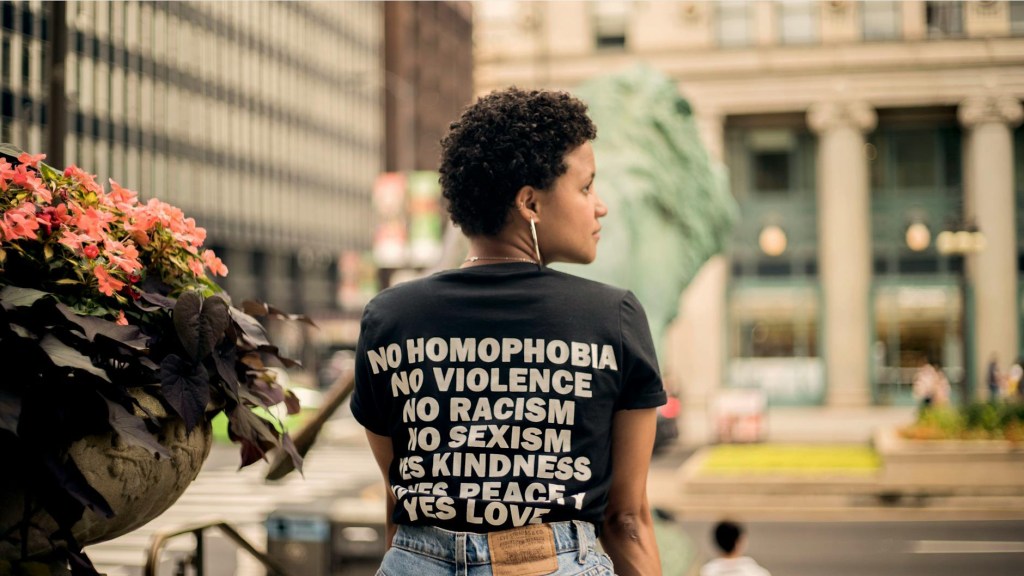
Cultural Norms: Challenging traditional gender roles and stereotypes can shift societal perceptions, allowing women to pursue careers, leadership roles, and personal ambitions without stigma.
Representation: Increasing women’s representation in politics, media, and leadership positions can inspire future generations and ensure that women’s voices are heard in decision-making processes.
Community Support: Building networks of support that empower women through mentorship, resources, and collaborative initiatives can foster a sense of community.
Awareness Campaigns: Public campaigns that educate society about gender equality and women’s rights can help shift attitudes and promote positive change.
Men as Allies: Encouraging men to actively participate in the fight for gender equality can create a more inclusive approach, promoting shared responsibility for change.
By addressing these institutional and societal factors, we can create an environment where women are empowered to pursue their goals and contribute fully to society.
Women in the criminal justice system often face different challenges than men, including histories of trauma, abuse, mental health issues, and caregiving responsibilities. Effective programs recognize these factors and tailor support accordingly.
2. Rehabilitation Programs Focused on Empowerment
Trauma-Informed Care: Providing counseling and mental health services that address past trauma helps women heal and develop coping skills. Education and Job Training: Access to education, vocational training, and certifications equips women with skills for stable employment post-release. Life Skills Development: Classes on financial literacy, parenting, communication, and self-advocacy foster independence and confidence. Health Care Access: Ensuring ongoing access to physical and reproductive health services supports overall well-being.
3. Support for Reintegration
Housing Assistance: Safe and stable housing reduces the risk of returning to criminal activity. Programs may partner with housing agencies or provide transitional homes. Employment Support: Job placement services, mentorship, and employer partnerships can help women find and keep work. Peer Support Networks: Connecting with other women who have successfully reintegrated offers encouragement and practical guidance. Legal Assistance: Help with expungements, child custody, and navigating parole or probation requirements removes barriers to success.
4. Community and Family Engagement
Rebuilding family relationships and community ties strengthens women’s support systems and sense of belonging. Programs that involve families in the rehabilitation process help create a stable foundation.
5. Advocacy and Policy
Supporting policies that provide gender-responsive programming, reduce sentencing disparities, and improve access to social services is key to systemic change. Raising awareness about the unique experiences of women in the system encourages better funding and program development.
Men: Breadwinners, decision-makers, leaders in public life. Women: Caregivers, homemakers, supporters of men’s ambitions. Traits were labeled by gender—strength, assertiveness, and independence for men; nurturing, modesty, and emotional sensitivity for women. Breaking these norms often led to social punishment.
2. The Shift (Mid–Late 20th Century Onwards)
Economic Changes: More women entered the workforce (especially after WWII and during the feminist movements of the 1960s–70s). Education: Higher education for women expanded opportunities beyond domestic life. Civil Rights & Feminism: Pushed against laws and norms that limited women’s choices. Media Influence: TV, film, and now social media began showing alternative role models—women in leadership, men as stay-at-home dads.
3. Modern Attitudes (2000s & Beyond)
Gender roles are increasingly seen as fluid—not fixed biological destinies. More acceptance of women in leadership and men in caregiving roles. Younger generations are more likely to challenge stereotypes openly. Workplace culture is (slowly) shifting toward valuing diversity in leadership styles rather than expecting women to “act like men” to succeed.
4. Where Tension Still Exists
Pay gaps and glass ceilings persist in many industries. Some cultural and religious communities still emphasize traditional roles. Social media both challenges and reinforces stereotypes—progress coexists with backlash.
5. Why This Shift Matters
Redefining gender roles allows people to pursue careers, relationships, and lifestyles that match their skills and passions rather than conforming to outdated expectations. Breaking stereotypes benefits everyone—men gain freedom to be emotionally expressive, women gain freedom to lead without apology, and children grow up seeing multiple ways to live a full life.
Before the 1900s: In many countries, women couldn’t vote or hold office; political influence often came indirectly through family or community roles. Early–Mid 1900s: Women’s suffrage movements (like the U.S. 19th Amendment in 1920, or similar laws worldwide) broke the first barrier. Late 1900s: More women began running for office, leading grassroots campaigns, and influencing public policy. 2000s & Beyond: Women’s voices are more visible and intersectional—representing diverse backgrounds, cultures, and priorities.
2. Why Women’s Voices Matter in Politics
Representation of Lived Experience: Women bring perspectives on issues like childcare, healthcare, gender-based violence, and workplace equity—areas historically under-addressed. Collaborative Leadership Styles: Research often finds that women in politics tend to promote consensus-building and cross-party cooperation. Policy Shifts: Countries with higher numbers of women in leadership tend to pass more family-friendly policies, education reforms, and social protections.
3. Barriers That Still Exist
Gender bias and stereotypes (seen as “too emotional” or “too soft” to lead). Unequal campaign funding and political networking opportunities. Harassment and online abuse targeting female politicians at higher rates than men.
4. The Rise of Global and Local Impact
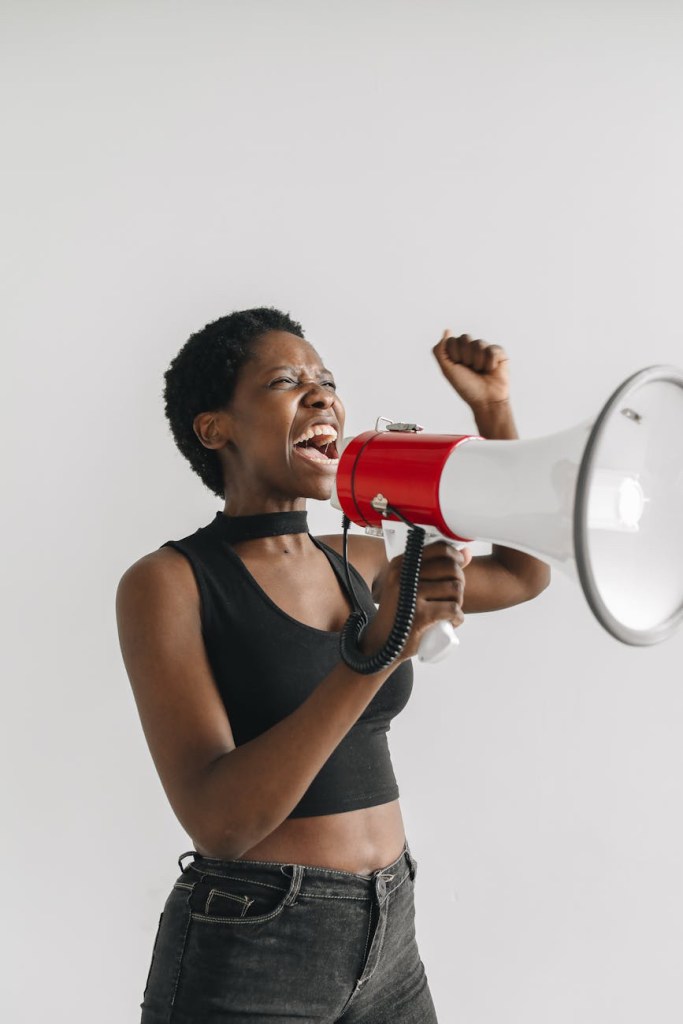
Figures like Jacinda Ardern, Kamala Harris, Sanna Marin, and grassroots leaders in local councils show that influence isn’t only at the presidential or prime ministerial level—it’s in school boards, city councils, and community organizations. Social media has amplified women’s political activism, allowing voices to reach millions without traditional media gatekeepers.
5. The Future
The next big push isn’t just about getting women into politics—it’s ensuring they have the same power, resources, and respect as their male counterparts, and that political spaces reflect the diversity of women’s experiences (race, class, sexuality, ability, etc.).