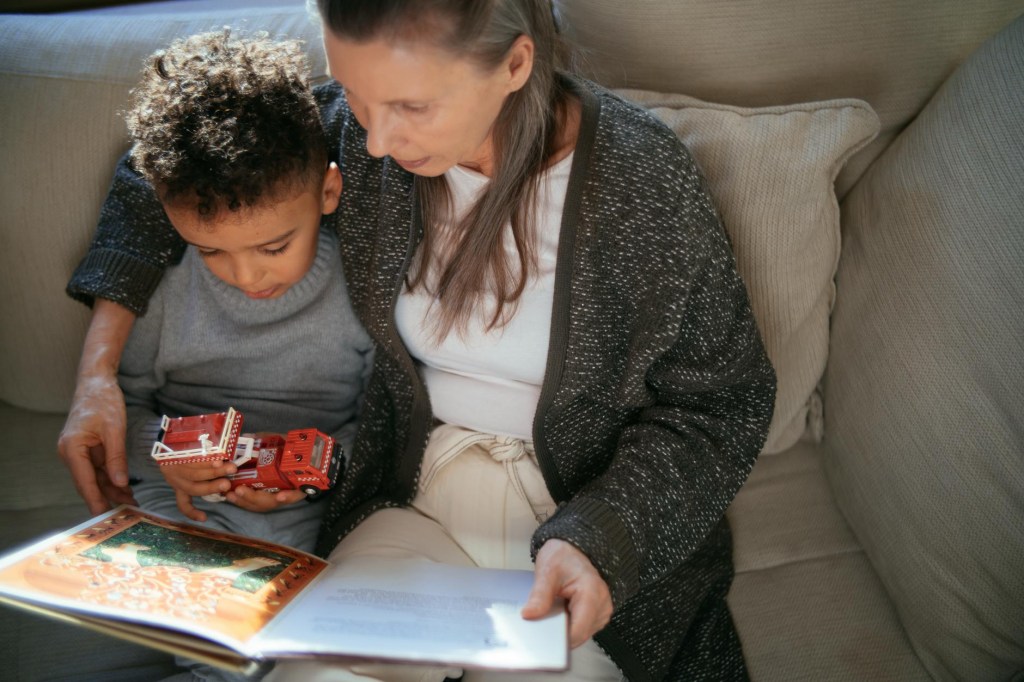
• Here’s the bigger picture:

    1. A Short History of Women’s Political Presence

    Before the 1900s: In many countries, women couldn’t vote or hold office; political influence often came indirectly through family or community roles. Early–Mid 1900s: Women’s suffrage movements (like the U.S. 19th Amendment in 1920, or similar laws worldwide) broke the first barrier. Late 1900s: More women began running for office, leading grassroots campaigns, and influencing public policy. 2000s & Beyond: Women’s voices are more visible and intersectional—representing diverse backgrounds, cultures, and priorities.

    2. Why Women’s Voices Matter in Politics

    Representation of Lived Experience: Women bring perspectives on issues like childcare, healthcare, gender-based violence, and workplace equity—areas historically under-addressed. Collaborative Leadership Styles: Research often finds that women in politics tend to promote consensus-building and cross-party cooperation. Policy Shifts: Countries with higher numbers of women in leadership tend to pass more family-friendly policies, education reforms, and social protections.

    3. Barriers That Still Exist

    Gender bias and stereotypes (seen as “too emotional” or “too soft” to lead). Unequal campaign funding and political networking opportunities. Harassment and online abuse targeting female politicians at higher rates than men.

    4. The Rise of Global and Local Impact

    Figures like Jacinda Ardern, Kamala Harris, Sanna Marin, and grassroots leaders in local councils show that influence isn’t only at the presidential or prime ministerial level—it’s in school boards, city councils, and community organizations. Social media has amplified women’s political activism, allowing voices to reach millions without traditional media gatekeepers.

    5. The Future

    The next big push isn’t just about getting women into politics—it’s ensuring they have the same power, resources, and respect as their male counterparts, and that political spaces reflect the diversity of women’s experiences (race, class, sexuality, ability, etc.).
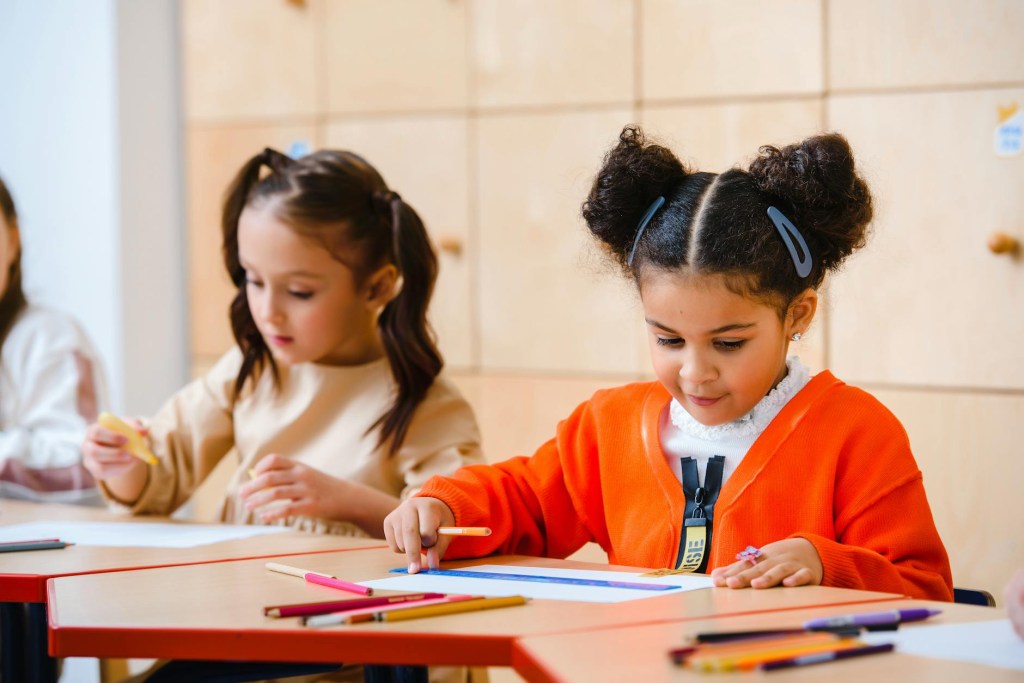

  • Here’s a framework you can use, broken into mindset, skills, and practice:

    1. Build the Right Mindset

    Know Their Worth: Regularly affirm their strengths, talents, and unique value. “You are important, your voice matters, and you deserve to be treated with respect.” Normalize Boundaries: Teach that saying no isn’t rude—it’s healthy. Reframe Conflict: Standing up for yourself isn’t about being mean; it’s about being clear and fair.

    2. Teach Practical Skills

    Assertive Communication: Use “I” statements → “I don’t like it when…” instead of “You always…” Maintain steady eye contact, calm tone, upright posture. Boundary Setting: Know when to walk away. Use short, clear refusals → “No, I’m not comfortable with that.” Emotional Control: Stay calm even if others get loud. Take a deep breath before responding.

    3. Practice Through Role-Play

    Pretend scenarios at home: A friend tries to copy their homework. Someone makes a mean joke at school. An adult dismisses their opinion. Practice how they’d respond with confidence and respect. Give positive feedback when they use assertiveness in real life.

    4. Lead by Example

    Let them see you respectfully standing your ground in everyday situations. Share stories from your own life where you had to speak up (and the outcome).

    5. Give Them Permission to Use Their Voice

    Let them make small decisions early (what to wear, which extracurriculars to join). Support them when they speak up, even if it ruffles feathers. Celebrate their courage, not just their “niceness.”

    1. Appearance over substance: The idea that a woman’s worth is tied to her looks can be deeply ingrained. As many realize, character, skills, and intelligence are far more significant.
    2. Silencing opinions: Girls are often taught to be polite and agreeable, leading to the belief that their voices don’t matter. This can change as they learn the value of speaking up and advocating for themselves.
    3. Career limitations: Some are conditioned to think certain professions are “not for women.” The realization that they can pursue any career they’re passionate about is empowering.
    4. Dependency on others: The notion that women need to rely on partners for financial security or decision-making can be challenged as women become more independent and self-sufficient.
    5. Emotional expression: Girls are often socialized to suppress anger or assertiveness, but growing up often reveals the importance of expressing a full range of emotions.

    Recognizing these misconceptions can lead to greater self-awareness and empowerment. Are there any specific lessons or beliefs that stand out for you?

  • 1. Historical Origins

    Halloween traces back to the ancient Celtic festival of Samhain, celebrated around October 31st. Samhain marked the end of the harvest season and the beginning of winter—a time believed to be when the boundary between the living and the spirit world was thin. People lit bonfires and wore costumes to ward off roaming spirits.

    2. Christian Influence

    The church established All Saints’ Day (November 1) and All Souls’ Day (November 2) to honor saints and pray for the dead, blending with Samhain traditions. “Halloween” comes from “All Hallows’ Eve,” the night before All Saints’ Day.

    3. Cultural Traditions

    Over time, Halloween evolved with customs like trick-or-treating, carving pumpkins (jack-o’-lanterns), and telling ghost stories. It became a community celebration mixing fun, superstition, and remembrance.

    4. Modern Meaning

    Today, Halloween is largely a secular holiday focused on creativity, play, and community bonding. It’s a chance for people to express themselves through costumes and stories, celebrate the spooky and mysterious, and connect with neighbors and family. For some, it still holds spiritual significance tied to honoring ancestors or acknowledging the supernatural.

    5. Why We Celebrate

    To mark seasonal change and the cycle of life and death. To enjoy shared cultural traditions that foster community. To have fun and embrace imagination and the thrill of the unknown.

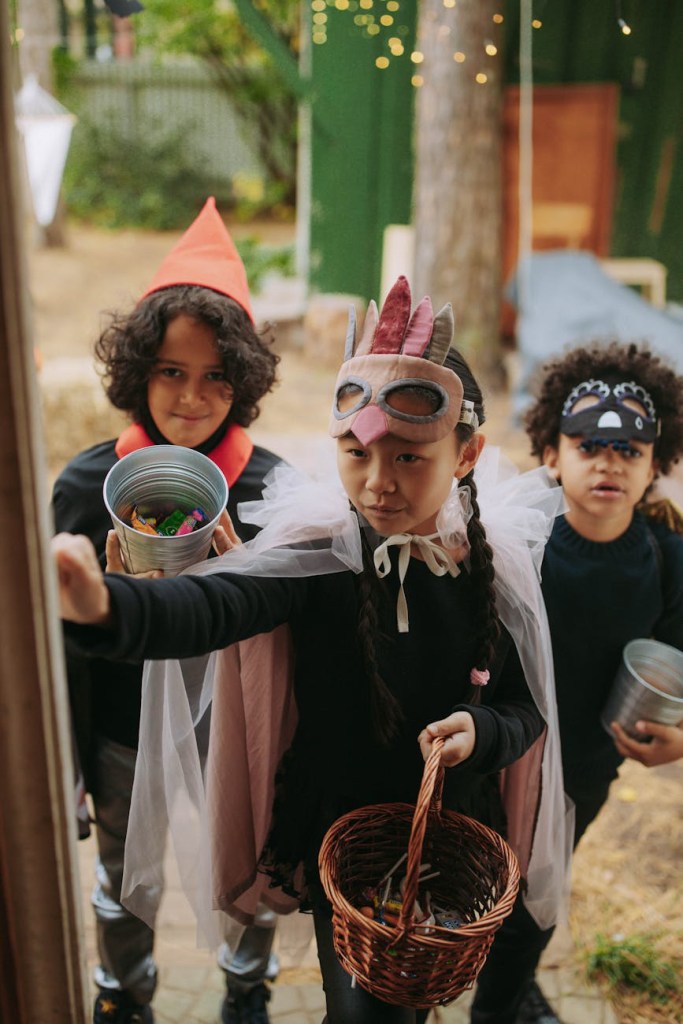
  • 1. Plan Your Route

    Choose a neighborhood or area known for family-friendly trick-or-treating. Map out a clear route and discuss it with your kids so they know where you’re headed. Set a time limit to avoid overtiring little ones.

    2. Costumes & Comfort

    Ensure costumes are comfortable and weather-appropriate—consider layers if it’s chilly. Pick costumes with reflective elements or add glow sticks to help with visibility. Make sure shoes are comfy and fit well for walking.

    3. Safety First

    Masks: If wearing a mask, make sure kids can see and breathe well; consider face paint instead. Supervision: Always accompany young children; older kids should go in groups and check in regularly. Flashlights: Carry a flashlight or have kids wear light-up accessories. Traffic Awareness: Remind kids to use sidewalks, cross at corners, and watch for cars.

    4. Trick-or-Treating Etiquette

    Teach kids to say “Thank you!” when receiving treats. Respect homes with no decorations or lights off—they may not be participating. Only accept treats in original packaging.

    5. Snack Safety

    Inspect candy before letting kids eat it—discard anything unwrapped or suspicious. If your child has allergies, plan ahead with safe treats or bring your own stash.

    6. Bring Essentials

    A small bag or bucket for collecting candy. Water bottle to stay hydrated. Phone fully charged for emergencies.

    7. After Trick-or-Treating

    Set aside candy for later—consider trading or donating excess. Check costumes for any damage or dirt before putting them away for next year.

  • 1. Halloween Scavenger Hunt

    Create a list of Halloween-themed items or decorations around your home or neighborhood. Kids search for pumpkins, spider webs, skeletons, or orange lights—collecting small treats or stickers as rewards.

    2. “Trunk or Treat” Events

    Community or church parking lots host cars decorated for Halloween. Kids go from trunk to trunk collecting candy, often in a safer, controlled environment.

    3. Halloween Movie Night

    Set up a spooky-themed movie marathon at home with popcorn and themed snacks. Let kids dress up and enjoy the festivities indoors.

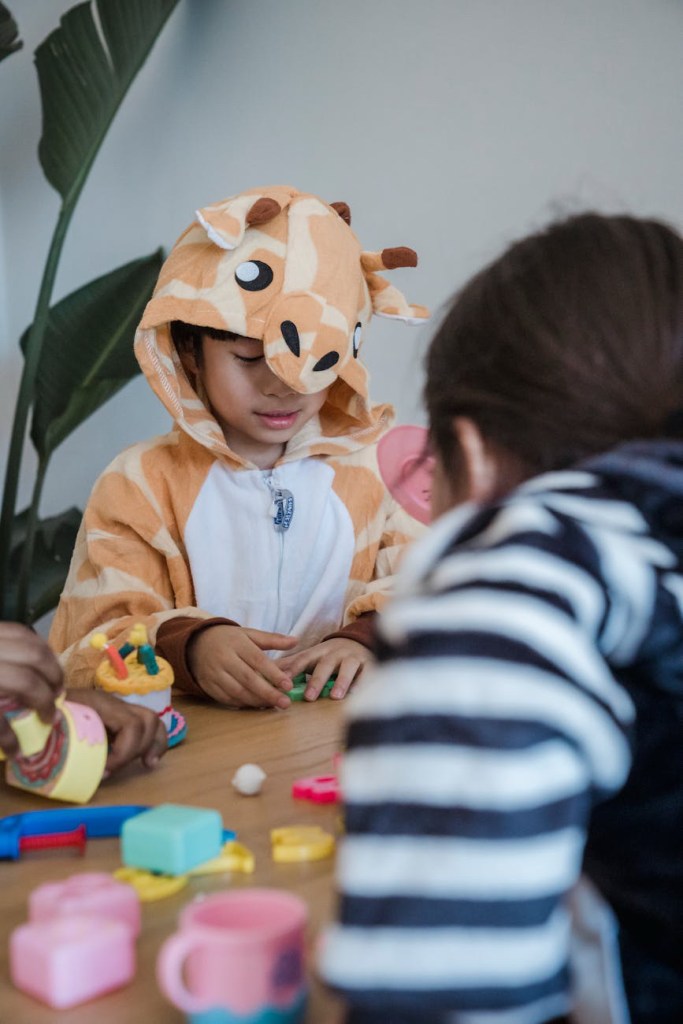
    4. Craft & Treat Party

    Host a small gathering with Halloween crafts like mask-making, pumpkin decorating, or slime. Provide treat bags for kids to take home.

    5. Candy Hunt at Home

    Hide candy around the house or yard and let kids go on a sweet treasure hunt. Add clues or riddles for older kids to solve.

    6. Virtual Costume Parade

    Organize a video call with family or friends where kids show off their costumes and maybe even do a little Halloween talent show.

    7. Bake & Decorate

    Spend time baking Halloween-themed cookies or cupcakes together. Kids get creative with decorating—and everyone enjoys the treats safely.

    8. Halloween Storytime

    Read spooky (but age-appropriate) stories or listen to Halloween audiobooks as a family.

    1. Cultural Narratives: Media often romanticizes the idea of being the “other woman,” portraying it as adventurous or exciting. Movies, books, and songs sometimes glamorize infidelity, making it seem appealing or desirable.
    2. Empowerment and Autonomy: Some women may view their involvement as a form of empowerment, believing they have the right to pursue their desires without conforming to traditional relationship norms. This perspective can lead to a sense of autonomy over their choices.
    3. Desire for Validation: Engaging with someone who is already in a relationship can sometimes provide a sense of validation, as it may suggest that they are desirable enough to attract someone who is already committed to another.
    4. Emotional Factors: Some women may find themselves in these situations due to emotional connections that develop unexpectedly. They might feel a strong attraction or bond with someone, leading them to overlook the consequences of being involved with someone who is already committed.
    5. Perception of Commitment: In some cases, women might rationalize their actions by believing that the primary relationship is not fulfilling or healthy. They may convince themselves that they are not doing anything wrong if they perceive the main relationship as flawed.
    6. Social Dynamics: Peer influences and societal acceptance can play a role. If a social circle normalizes or accepts infidelity, individuals may feel more comfortable participating in such dynamics.
    7. Lack of Consequences: In certain contexts, the consequences of being the “other woman” may not feel immediate or significant, leading some to engage in these relationships without fully considering the potential fallout.

    While these factors can explain why some women might embrace this role, it’s important to recognize the emotional complexities and ethical implications involved. Each situation is unique, and motivations can vary widely among individuals.

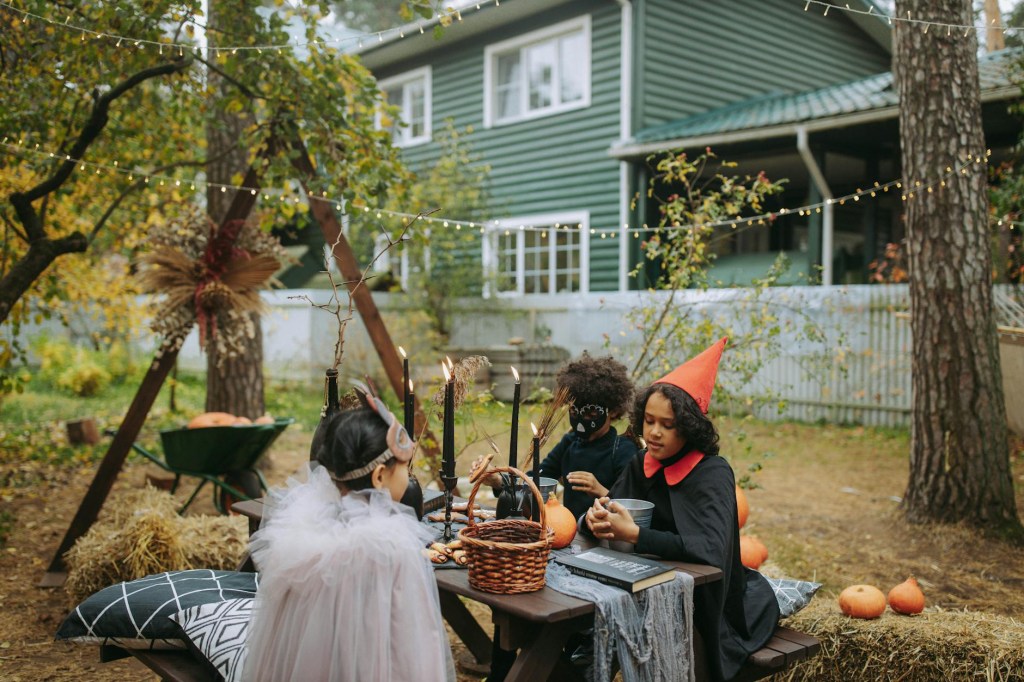
  • 1. Set the Mood: Decorations & Ambiance

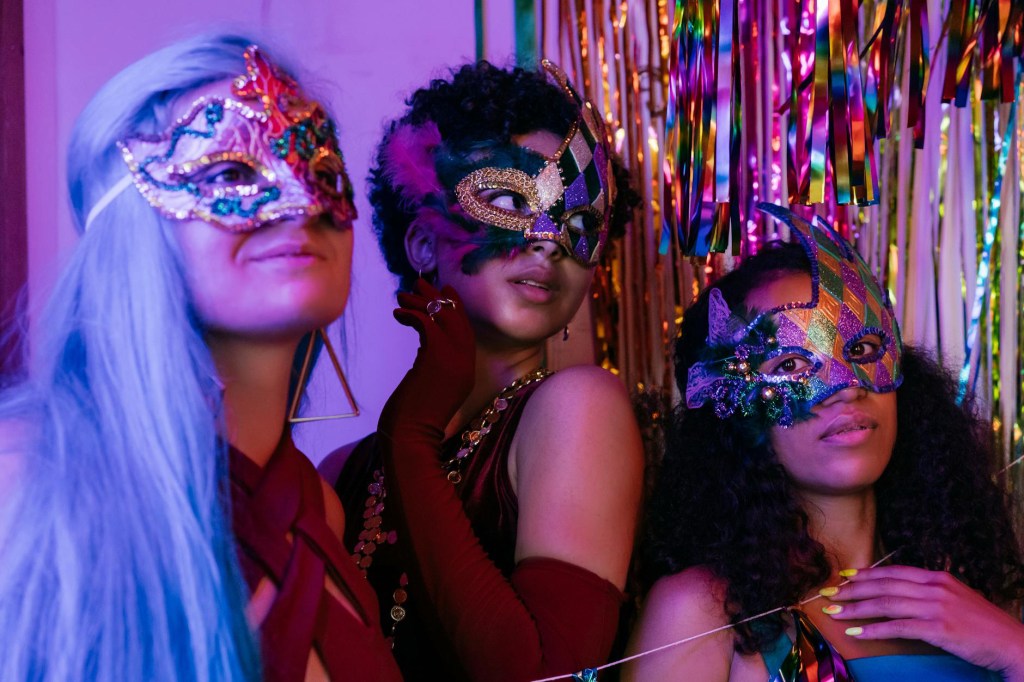
    Go for classic spooky decor—think pumpkins, black candles, fairy lights, spider webs, and skull accents. Create a playlist with Halloween hits and atmospheric tunes (a mix of pop, spooky classics, and some chill vibes). Consider a themed dress code—witches, glam goth, vintage horror icons, or a favorite spooky movie character.

    2. Food & Drinks

    Themed Cocktails: Witch’s brew (green apple vodka + soda), blood-red sangria, pumpkin spice martinis, or spooky mocktails. Finger Foods: Mini mummy hot dogs, pumpkin deviled eggs, “bloody” salsa and chips, spider web pizzas. Sweet Treats: Halloween cupcakes, candy apples, chocolate-covered pretzel “bones.”

    3. Fun Activities

    Costume Contest: Best dressed, most creative, or funniest costumes with fun prizes. Halloween Movie Marathon: Choose spooky classics, campy horrors, or Halloween comedies. DIY Craft Station: Make your own masks, decorate pumpkins, or create spooky jewelry. Tarot Reading or Psychic Games: Add a mystical vibe with lighthearted fortune-telling. Photo Booth: Set up a corner with props and a backdrop for fun snaps.

    4. Games & Entertainment

    Halloween-themed trivia or “Would You Rather?” Murder mystery game with spooky storylines. Scary story circle—take turns telling ghost stories or urban legends.

    5. Party Favors

    Send guests home with mini pumpkin candles, custom Halloween cookies, or personalized goodie bags with candy and trinkets.

  • 1. Set the Scene

    Dim the lights, use candles or string lights for a cozy vibe. Decorate subtly with pumpkins, faux cobwebs, or a few creepy accents. Pick a playlist with spooky jazz, classic Halloween tunes, or atmospheric music.

    2. Dress Up (or Down)

    Coordinate costumes—go classic (vampire and witch), funny (zombie bride and groom), or quirky couples themes. If you want something low-key, wear Halloween-themed cozy sweaters or matching tees.

    3. Food & Drink

    Cook or order a Halloween-themed dinner: Pumpkin soup, stuffed “mummy” sausages, or black pasta with red sauce. Share spooky cocktails or mocktails—think blood-red sangria, “witches’ brew,” or pumpkin spice lattes with a twist.

    4. Fun Activities

    Watch a Halloween movie—choose a classic horror, romantic thriller, or a Halloween comedy. Try a couple’s tarot reading or spooky trivia game. Have a pumpkin carving contest—see who’s the most creative (or scary)!

    5. Sweet Ending

    Share Halloween-themed desserts: candy apples, chocolate-dipped strawberries, or themed cupcakes. Take cute or silly photos to capture the night.

  • Here’s why it matters deeply:

    💖 Why Life Insurance for Women and Kids Is So Important

    1. 👩🏽‍🍼 Women Are Often the Financial Backbone

    Even if you’re not the primary earner, your contribution has serious financial value:

    Childcare Household management Emotional labor Elder care

    If something were to happen to you, your family would likely need help replacing these services — and that comes with a real cost.

    Life insurance ensures your family isn’t left scrambling emotionally and financially.

    2. 🧒🏽 Life Insurance for Children Covers the Unexpected

    No one wants to imagine losing a child, but the reality of funeral costs, time off work, and emotional recovery is very real.

    Benefits of child life insurance:

    Covers funeral expenses (which can be $7,000+) Helps parents take unpaid leave to grieve Some policies lock in low rates and offer future insurability, even if the child later develops health issues

    It’s not about expecting the worst — it’s about being prepared for the unimaginable.

    3. 🏡 It Protects Your Family’s Future

    Pays off debts like mortgages, car loans, or medical bills Covers college or childcare expenses Helps your partner or guardian stay afloat financially

    Even a $10–$20/month policy can make a life-changing difference for your loved ones.

    4. 📊 Women Are Often Underinsured

    Studies show women are:

    Less likely to have life insurance Insured for smaller amounts than men Often unaware of how affordable basic term policies can be

    Your life is just as valuable — protect it accordingly.

    5. 🧾 Life Insurance Can Be Part of Your Legacy

    You can name your children as beneficiaries Use policies to leave money for education, entrepreneurship, or homeownership Show your kids the importance of planning and responsibility

    Life insurance isn’t just financial — it’s emotional security.

    ✅ What to Look For in a Policy

    For Women

    For Children

    Term life (20–30 years)

    Child term rider or whole life

    $100k–$500k coverage (min)

    $10k–$50k is typical

    Affordable monthly premiums

    Locked-in low premiums

    Add living benefits if possible

    Option to convert later

    Final Thought:

    💬 “If you love them, protect them.”

    Life insurance is one of the most powerful ways to ensure your love and care continues — even if you’re not physically here.

    Would you like:

    A sample conversation script for talking to a partner about life insurance? A visual guide or flyer for women’s financial empowerment and life planning? I can create either one for you.