Broader Perspectives – Women often bring community-centered priorities like education, healthcare, and economic rebuilding to the table. Increased Peace Durability – Studies show that peace agreements with women’s participation are 35% more likely to last at least 15 years. Representation of the Whole Population – Excluding women means ignoring half the affected community. Humanitarian Focus – Women negotiators tend to prioritize humanitarian access, rights protections, and long-term reconciliation measures.
Key Milestone: UNSCR 1325
In 2000, the United Nations Security Council Resolution 1325 formally recognized the importance of women in peace and security. It called for:
Participation: Women must be included in all decision-making levels of conflict resolution and peacebuilding. Protection: Safeguarding women and girls from gender-based violence in conflict. Prevention: Including women in conflict prevention strategies. Relief & Recovery: Ensuring women’s needs are addressed in post-conflict reconstruction.
Challenges to Women’s Participation
Cultural Barriers: Patriarchal norms in some regions discourage women from political or leadership roles. Security Risks: Women activists face threats, harassment, or violence. Tokenism: Women may be invited to processes but given no real influence in decisions. Resource Gaps: Lack of funding and training opportunities for women peacebuilders.
Ways to Strengthen Women’s Voices
Legal Quotas & Policies – Mandating women’s representation in peace negotiation delegations. Capacity-Building – Providing leadership, negotiation, and advocacy training for women at the grassroots and national levels. Financial Support – Funding women-led NGOs and peace initiatives. Community Engagement – Creating platforms for local women’s perspectives to influence national peace agendas. International Accountability – Holding governments and organizations to their commitments under UNSCR 1325.
At its core, feminism is about gender equality — the belief that all people, regardless of gender, should have the same rights, opportunities, and freedom from discrimination. That means it addresses issues affecting men, women, and people of all gender identities.
Why It’s Not Only About Women
Men Benefit Too: Challenges stereotypes that men must always be stoic, aggressive, or sole breadwinners. Supports paternity leave, mental health resources, and freedom to choose careers or lifestyles without stigma. Breaks Harmful Gender Norms: Feminism works to dismantle rigid roles that restrict everyone’s choices. Intersectional Approach: Modern feminism looks at how race, class, sexuality, disability, and other factors combine with gender to shape inequality. Global Human Rights: Advocates for safety, education, and economic fairness for all people, especially in places where gender-based oppression affects entire communities.
So while the movement historically emerged to fight women’s exclusion from rights and opportunities, its principles aim to create a more equitable world for everyone.
1. 1848–1920: First Wave Feminism — Legal & Educational Access
Key Event: Seneca Falls Convention (1848) — first organized women’s rights meeting in the U.S., demanding educational, economic, and political equality.
Impact on Education:
Opening Doors to Higher Education: Women gained access to colleges and universities previously reserved for men (e.g., Vassar College in 1861). Teacher Training Expansion: Teaching became one of the few socially acceptable professions for women, leading to more female educators in primary education. Challenging Curricula: Early feminist advocates pushed for curricula that included women’s literature, history, and achievements.
Impact on Social Structure:
Shift from the belief that women’s role was purely domestic toward recognition of their public contributions. Legal reforms like property rights for married women laid groundwork for later equality movements.
2. 1920–1960: Interwar Period & WWII — Expanding Roles
Key Event: U.S. women’s suffrage in 1920 (19th Amendment).
Impact on Education:
Continued growth in women attending universities, though often tracked into “female” fields like nursing or teaching. WWII saw women entering technical and vocational training programs to fill wartime labor needs.
Impact on Social Structure:
Wartime employment challenged the idea that women couldn’t handle industrial or leadership work. Postwar “return to the home” pressure revealed tensions between women’s new aspirations and traditional expectations.
3. 1960–1980: Second Wave Feminism — Equality in Law & Opportunity
Key Events:
Publication of The Feminine Mystique (1963) by Betty Friedan. Title IX of the Education Amendments (1972) — prohibited sex discrimination in federally funded educational programs.
Impact on Education:
Equal Access Laws: Title IX revolutionized opportunities in academics, athletics, and professional training. Curriculum Reforms: Growth of women’s studies programs and scholarship highlighting women’s contributions to history, science, and the arts. Career Diversity: More women entered medicine, law, engineering, and academia.
Impact on Social Structure:
Legal gains in workplace rights, reproductive freedom (Roe v. Wade, 1973), and protection against sexual harassment. Increased visibility of women in leadership roles across politics, business, and media.
4. 1980–2000: Third Wave Feminism — Diversity & Intersectionality
Key Themes: Recognition of differences in women’s experiences based on race, class, sexuality, and culture.
Impact on Education:
Inclusive Curricula: Greater emphasis on multicultural perspectives and intersectional feminism in academic research. Anti-Harassment Policies: Expansion of campus protections and awareness of sexual harassment and assault. Representation in STEM: Programs aimed at encouraging girls and women into science, technology, engineering, and math fields.
Impact on Social Structure:
Broader definition of gender equality beyond just legal rights — focus on cultural change, media representation, and challenging stereotypes. Stronger global feminist networks addressing education and social reform in developing countries.
✅ Overall Legacy (1848–2000): Feminist movements transformed education from a male-dominated privilege to a more inclusive system, and reshaped social structures toward legal equality, broader career opportunities, and recognition of women’s full participation in society. However, persistent gaps — in pay, leadership representation, and cultural attitudes — remained challenges entering the 21st century.
Being laid off due to budget cuts can be a challenging experience, but there are several resources available to help individuals navigate this transition. Here’s a comprehensive look at the options one can explore:
1. Financial Assistance
Unemployment Benefits: Most individuals qualify for unemployment insurance, which provides temporary financial support. It’s vital to apply as soon as possible after being laid off.
Severance Packages: Check if your employer offers a severance package, which may include pay and benefits for a certain period post-layoff.
Emergency Funds: Utilize any personal savings or emergency funds to cover immediate expenses while seeking new employment.
2. Career Services
Job Placement Services: Many organizations offer job placement assistance, which can include resume writing, interview preparation, and job search strategies.
Career Counseling: Professional career coaches can provide personalized guidance based on your skills and interests.
Networking Events: Attend industry networking events, webinars, or seminars to connect with potential employers and other professionals.
3. Training and Education
Retraining Programs: Look for local community colleges or online platforms that offer retraining programs in high-demand fields.
Certification Courses: Pursuing certifications relevant to your industry can enhance your employability.
Workshops: Participate in workshops focused on skills development or entrepreneurship.
4. Emotional Support
Support Groups: Joining support groups for laid-off workers can provide a sense of community and sharing of experiences.
Counseling Services: Mental health professionals can help cope with the emotional impact of job loss.
Friends and Family: Lean on your personal network for emotional support and potential job leads.
5. Online Resources
Job Boards: Websites like Indeed, LinkedIn, and Glassdoor can help in finding new job opportunities.
Government Resources: Many government websites offer resources for job seekers, including training programs and job listings.
Freelancing Platforms: Consider temporary or freelance jobs on platforms like Upwork or Fiverr to generate income while searching for a full-time role.
Key Takeaways
Financial support through unemployment benefits and severance
Career services for job placement and networking
Training opportunities for skills enhancement
Emotional support from groups and professionals
Online job resources for job searching and freelancing
Exploring these resources can significantly ease the transition after a layoff.
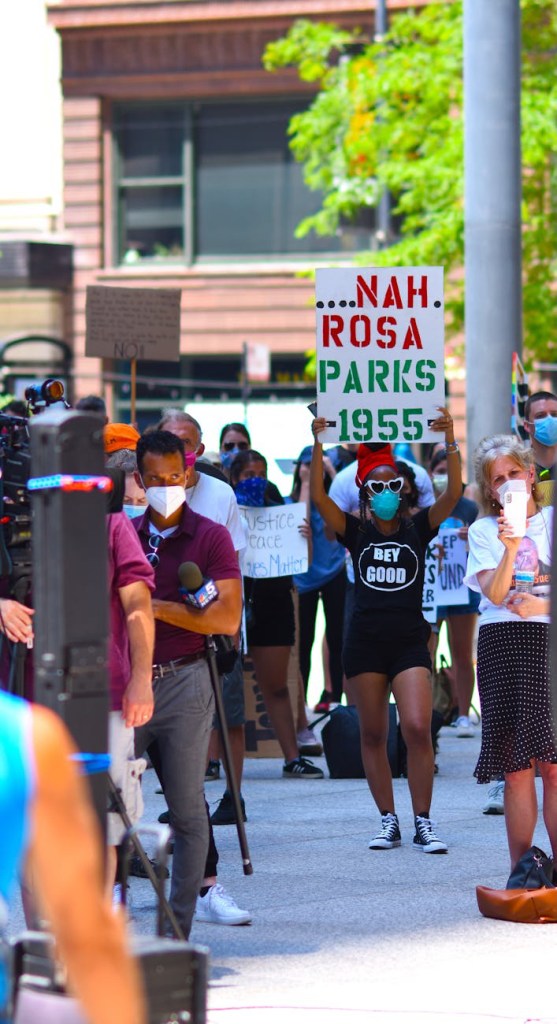
Here are some meaningful ways to celebrate Rosa Parks Day:
Education and Awareness: Organize or participate in discussions, lectures, or workshops that focus on Rosa Parks’ contributions and the broader civil rights movement. Share her story and its relevance today.
Community Service: Engage in community service projects that promote equality and justice. This could involve volunteering with organizations that work towards civil rights or social justice.
Art and Expression: Create or support artistic expressions that honor Rosa Parks’ legacy, such as art exhibits, performances, or poetry readings focused on themes of activism, resilience, and justice.
Social Media Campaigns: Use social media platforms to share quotes, stories, and educational content about Rosa Parks and the importance of standing up for one’s rights. Encourage others to reflect on what her legacy means to them.
Support Local Activism: Get involved with local organizations that advocate for civil rights, equality, and social justice. Support their initiatives and campaigns that align with Parks’ vision of a just society.
Reflection: Take time to reflect on the ongoing fight for civil rights and how individuals can contribute to the cause. Consider ways to advocate for justice in your own community.
Celebrating Rosa Parks Day is about honoring her courage and commitment to justice while also recognizing the ongoing struggles for equality. How do you plan to commemorate this important day?
It’s a fun little unofficial holiday that encourages people to enjoy a fresh, crisp red apple and appreciate both its taste and health benefits. The day is also a nice nod to the saying “an apple a day keeps the doctor away.”
Some ways to celebrate:
🍎 Try a new variety of red apple — like Honeycrisp, Fuji, or Pink Lady. 🍏 Make a dish featuring red apples, like apple pie, caramel apples, or an apple salad. 📸 Share the joy — post your apple creations or orchard visits online. 🍎 Learn apple history — from its symbolism in folklore to its role in American agriculture.
Understanding Intersectionality: Acknowledge that LGBTQ women experience discrimination not just based on their sexual orientation but also due to their gender identity and other aspects of their identity. This nuanced understanding is crucial for effective advocacy and support.
Inclusive Representation: It’s essential for LGBTQ organizations to include diverse voices in leadership roles. Representation matters, as it ensures that the needs of all LGBTQ women, especially those from marginalized communities, are heard and addressed.
Community Building: Creating safe spaces where LGBTQ women can connect, share experiences, and support one another fosters empowerment. These spaces can be physical (like community centers) or virtual (online forums).
Access to Resources: Ensuring access to health care, legal support, and educational resources tailored to the needs of LGBTQ women is vital. This includes addressing specific health concerns and providing mental health support.
Advocacy and Activism: Encouraging LGBTQ women to engage in activism helps amplify their voices. This can involve participating in marches, writing, or engaging in policy discussions that affect their rights and well-being.
Education and Awareness: Raising awareness about the issues faced by LGBTQ women through workshops, discussions, and training can help combat stigma and promote understanding in broader society.
Intersectional Policy Making: Advocating for policies that consider the diverse experiences of LGBTQ women ensures that their needs are met. This includes working on anti-discrimination laws, healthcare access, and social services.
Empowering LGBTQ women requires a multifaceted approach that considers their unique challenges and strengths. What’s your perspective on the intersectional issues faced by LGBTQ women?
Grief is normal and comes in waves, especially when holidays highlight absence. Give yourself permission to feel sadness, anger, or even guilt without judgment. Journaling or talking with a trusted friend or counselor can help process emotions.
2. Adjust Expectations
It’s okay if you don’t feel “festive” or “cheerful.” Scale down obligations: attend only what feels manageable. Create new holiday traditions or rituals that honor your loved one.
3. Honor Loved Ones
Light a candle or display a photo in remembrance. Share stories or memories with family or friends. Prepare a favorite dish of the person you lost or do something symbolic that keeps their memory alive.
4. Create Safe Space for Yourself
Schedule quiet time for reflection or meditation. Take breaks during gatherings to avoid emotional overwhelm. Allow yourself to say “no” to events or conversations that feel too heavy.
5. Seek Support
Lean on supportive friends or family members who understand your grief. Consider support groups, therapists, or counselors who specialize in loss. Online communities or local grief centers can provide connection if you’re alone.
6. Self-Care & Coping Tools
Practice grounding exercises: deep breathing, stretching, or mindfulness. Engage in comforting activities: music, reading, walks, or creative expression. Limit triggers if needed: TV, social media, or excessive holiday pressure.
7. Balance Between Remembrance and Living
It’s healthy to honor the memory of loved ones while also allowing moments of joy. Celebrate the present in small ways—like a warm cup of tea, a walk, or connecting with friends. Remember: grief doesn’t have a timeline, and it’s okay to feel joy and sadness simultaneously.
Give your full attention when someone shares their dreams or plans. Respond with genuine interest: “That’s an amazing idea — tell me more.” Avoid immediately pointing out risks or flaws; focus on possibilities first.
2. Share Resources and Connections
If you know of opportunities, mentors, or tools that could help, pass them along. Introduce people to others in your network who can guide or collaborate with them.
3. Celebrate Wins — Big or Small
Recognize milestones like finishing a project, landing an interview, or even just taking a first step. Celebration builds momentum and makes people feel their progress matters.
4. Offer Constructive Support, Not Control
Give feedback that’s solution-focused, not discouraging. Avoid trying to “re-write” someone’s dream to fit your own vision for them.
5. Model Ambition Yourself
When you chase your own goals openly, you inspire others to believe they can too. Share your journey — including setbacks — to normalize persistence.
6. Protect Space for Growth
Create spaces (friend groups, community circles, work teams) where brainstorming and big ideas are safe from ridicule.