• Why Women Should Stop Glorifying Burnout

    For decades, society has celebrated women who “do it all”—work full-time, raise kids, volunteer, maintain friendships, and still look flawless. But here’s the truth: burnout is not a badge of honor. Chronic exhaustion is costly—for your body, mind, and soul. Learning the art of rest is not laziness; it’s self-preservation, empowerment, and ultimately, productivity.

    💖 Why Women Glorify Burnout

    Cultural expectations: We’re told that sacrificing ourselves proves love, commitment, and dedication. Social media pressure: Seeing “supermom” and “hustle queen” posts makes us feel like we’re failing if we slow down. Guilt around rest: Many women feel selfish for taking time for themselves.

    🌿 The Benefits of Real Rest

    Mental clarity: Sleep and downtime help you make better decisions and reduce stress. Emotional balance: Rest prevents irritability, anxiety, and mood swings. Physical health: Chronic stress increases the risk of heart disease, migraines, and immune issues. Creative energy: Your best ideas often come when your brain isn’t running on overdrive.

    🔑 How to Practice the Art of Rest

    Schedule it like a meeting. Treat personal downtime as non-negotiable. Unplug regularly. Phones, laptops, and notifications off—your brain needs quiet. Set boundaries. Learn to say no without apology. Embrace slow hobbies. Reading, journaling, walking, or painting—whatever fills your soul. Rest without guilt. Your worth is not measured by your busyness.

    ✨ Takeaway

    Rest isn’t optional—it’s essential. When women stop glorifying burnout, we reclaim our health, our creativity, and our joy. You don’t have to do it all. You just have to do you, fully rested, fully alive.


  • How to Speak Up in Relationships, Work, and Community

    For too long, many women have been taught to “be nice,” “don’t make waves,” and “stay quiet.” But silence can keep us from getting what we need, what we deserve, and what we’re capable of achieving. Finding your voice isn’t about being loud—it’s about being confident, clear, and unapologetic in every space you step into.

    💕 In Relationships

    Say what you need. Love doesn’t make you a mind reader—speak your desires, boundaries, and expectations. Practice small asks. Start with “I’d like to watch this movie” or “I need some alone time.” It builds confidence for bigger conversations. Don’t shrink yourself. Your feelings matter. Saying “this hurt me” or “this made me feel seen” strengthens intimacy.

    💼 At Work

    Take up space in meetings. Share your ideas, even if your voice shakes. Advocate for yourself. Ask for the raise, the promotion, or the resources you need—closed mouths don’t get fed. Set boundaries. Saying “I don’t have capacity for that right now” is powerful and professional.

    🌎 In Your Community

    Speak on issues that matter. Whether it’s volunteering, voting, or posting online, your perspective adds to the collective voice for change. Don’t fear being “too much.” Women are often labeled “loud” when they’re simply being heard. Keep speaking anyway. Lift others as you rise. Use your voice to amplify other women and marginalized voices.

    ✨ Takeaway

    Finding your voice is a journey—one “no,” one “yes,” one truth at a time. The more you use it, the stronger it gets. Remember: your voice is not just sound—it’s power, influence, and freedom.

    1. Awareness: Many young people are unaware of the realities of sex trafficking. Education helps them recognize potential dangers and red flags in their environments.
    2. Empowerment: Knowledge equips girls with the tools to protect themselves and make informed decisions about their bodies and relationships.
    3. Prevention: By discussing the issue openly, you can help girls understand how to identify risky situations and avoid them. This includes recognizing manipulative behavior and understanding consent.
    4. Support System: Open conversations foster trust, making it easier for girls to approach adults if they feel threatened or uncomfortable.

    Steps to Protect Yourself and Prevent Sex Trafficking:

    1. Educate Yourself: Learn about how trafficking operates, including common tactics traffickers use to exploit vulnerable individuals.
    2. Stay Informed: Keep up with local news and resources related to trafficking, including organizations that work on prevention and support.
    3. Build Healthy Relationships: Encourage open communication with friends and family. Discuss boundaries, respect, and what constitutes a healthy relationship.
    4. Use Technology Wisely: Be cautious about sharing personal information online. Understand privacy settings on social media platforms.
    5. Recognize Red Flags: Teach girls to be aware of certain behaviors, such as someone who tries to isolate them from friends or family, offers gifts or money with strings attached, or pressures them into uncomfortable situations.
    6. Know Your Rights: Understanding personal rights can empower young people to speak out and seek help when needed.
    7. Create a Safety Plan: Discuss strategies for safe outings, including who to contact in case of an emergency and how to recognize when they are in a potentially dangerous situation.
    8. Engage in Community Programs: Encourage participation in local workshops or programs focused on empowerment and safety.

    By fostering an environment of open dialogue and education, you can help girls navigate potential risks and build resilience against exploitation.

  • 🩺 Recognizing the Early Signs of Kidney Problems

    Many symptoms can be subtle, but watch for:

    Changes in urination – more frequent at night, less output, foamy urine, or blood in urine Swelling (edema) – puffiness around eyes, ankles, or hands from fluid buildup Fatigue or weakness – toxins in the blood can cause low energy Trouble concentrating or brain fog Muscle cramps – from imbalances in electrolytes Dry, itchy skin – due to mineral and bone balance issues Persistent nausea or loss of appetite

    (These symptoms don’t always mean kidney disease, but they’re important warning signs.)

    🚨 When to Get Help

    Immediately if you notice blood in urine, severe swelling, or sharp lower back/flank pain. Soon if you have persistent changes in urination, ongoing fatigue, or swelling. Regular checkups if you have risk factors like: Diabetes High blood pressure Family history of kidney disease Being over age 60 Heart disease or obesity

    A simple blood test (creatinine, eGFR) and urine test can check kidney function.

    🌿 Coping & Protecting Kidney Health

    Stay hydrated (water over sodas or sugary drinks) Eat kidney-friendly foods: more fruits, veggies, whole grains; less salt, processed food, and excess protein Limit alcohol & avoid smoking Monitor blood pressure and blood sugar if you’re at risk Exercise regularly (even light walking helps circulation) Take medications as prescribed and avoid overusing NSAIDs (like ibuprofen), which can strain kidneys Build support: Managing kidney issues can feel overwhelming—lean on support groups, family, or a dietitian

    ✅ Quick Reminder: Early detection makes a huge difference. Kidneys can lose up to 90% of function before symptoms appear, so screening is powerful—especially during National Kidney Month.

  • 🍀 Hangover Recovery Guide

    💧 Rehydrate & Restore

    Water first: Alcohol dehydrates, so sip water steadily (not all at once). Electrolytes: Sports drinks, coconut water, or electrolyte tablets help replace lost minerals. Ginger or peppermint tea: Soothes nausea and settles your stomach.

    🍳 Eat Smart

    Gentle breakfast: Eggs, toast, bananas, or oatmeal—easy on the stomach but full of nutrients. Avoid greasy food myths: Heavy fried food can actually worsen nausea. Go for light, balanced meals. Add potassium-rich foods: Bananas, spinach, or sweet potatoes help replenish what alcohol drained.

    😴 Rest & Recover

    Sleep it off: Rest helps your liver process alcohol faster. Light movement: A short walk can improve circulation and mood—but skip intense workouts until you rehydrate.

    💊 Relief if Needed

    For headache: Try ibuprofen or aspirin (avoid acetaminophen/Tylenol—tough on your liver after drinking). For nausea: Antacids or ginger chews may help.

    🌞 Natural Boosters

    Fresh air & sunlight: Lifts mood and helps reset your body clock. Shower (hot or cold): Refreshes circulation and helps you feel less sluggish.

    🚫 What Not To Do

    Hair of the dog (more alcohol): Only delays symptoms. Too much coffee: It dehydrates further and can make headaches worse.

    ✨ Quick “Hangover Rescue Plan”:

    Big glass of water + electrolytes when you wake up Light breakfast (eggs + toast + banana) Ginger tea or peppermint tea for nausea 20–30 min nap or rest in a dark room Light walk + fresh air later in the day.

  • ✅ Daily March Health Checklist

    🌦 Weather & Preparedness

    ☐ Check the daily forecast (plan clothes & umbrella accordingly) ☐ Dress in layers (scarf, light jacket, breathable top) ☐ Carry water-resistant shoes or umbrella if rain is expected

    🍎 Nutrition & Hydration

    ☐ Eat at least 1 seasonal fruit (orange, strawberries, apple) ☐ Include leafy greens or colorful veggies in a meal ☐ Drink 6–8 glasses of water or herbal tea ☐ Limit heavy comfort foods to one meal, balance with lighter options

    🏃 Movement & Activity

    ☐ Get 20–30 minutes of movement (walk outside if nice, stretch or do indoor workout if not) ☐ Spend at least 10 minutes outdoors for sunlight when possible ☐ Do a quick stretch mid-day to release stiffness

    🧠 Mental & Emotional Wellness

    ☐ Take 5 minutes for deep breathing or mindfulness ☐ Write down 1 thing you’re grateful for ☐ Plan one fun/relaxing activity (indoors or outdoors)

    😴 Sleep & Routine

    ☐ Keep a consistent bedtime/wake-up time ☐ Limit screen time 1 hour before bed ☐ Prepare for Daylight Savings (adjust bedtime by 15 minutes if the change is coming soon)

    ✨ Tip: Print this checklist or keep it in your phone notes—you can tick it off each day.

  • Reasons for Celebration:

    1. Cultural Heritage: It’s a celebration of Irish culture and heritage, particularly for those of Irish descent around the world.
    2. Christian Observance: The day commemorates the death of St. Patrick and his contributions to Christianity in Ireland.
    3. National Holiday: In Ireland, it’s a public holiday, allowing people to celebrate their national identity.

    How It’s Celebrated:

    1. Parades: Many cities host parades featuring floats, music, and traditional Irish dancing. The largest parades are in cities like Dublin, New York, and Chicago.
    2. Wearing Green: People often wear green clothing or accessories, symbolizing Ireland’s lush landscapes and the green hills.
    3. Festive Foods: Traditional Irish food is popular, including dishes like corned beef and cabbage. Many also enjoy Irish drinks, particularly stout beers.
    4. Music and Dance: Irish music and dance are integral to the celebrations, with performances ranging from traditional folk music to lively ceilidh dances.
    5. Public Celebrations: In many places, there are festivals, concerts, and community gatherings celebrating Irish culture.

    Overall, St. Patrick’s Day has evolved into a global celebration of Irish culture and community spirit, transcending its religious roots.

  • 🌦️ Adjusting to Weather Swings

    Layer Up: Wear lightweight layers so you can adjust quickly if it warms up or cools down. A light jacket, scarf, and umbrella are essentials. Protect Against Allergies: Early blooms in March can trigger seasonal allergies. Keep windows closed on high pollen days and start antihistamines if needed. Stay Dry: March often brings rain—wet clothes and shoes can lower body temperature and make you more prone to colds.

    🍎 Nutrition & Immune Support

    Eat Seasonal Produce: Spinach, kale, carrots, citrus, and strawberries start coming into season. These boost vitamins C and A for immunity. Stay Hydrated: Cold weather can trick you into drinking less water. Keep a bottle nearby, even if you don’t feel thirsty. Warm Comfort Foods, Balanced: Soups and stews are great, but balance with lighter meals as warmer days appear.

    🏃 Movement & Activity

    Flexible Exercise Routine: Some days may be perfect for an outdoor walk, while others call for at-home yoga or bodyweight workouts. Soak Up Sunshine: On brighter days, get outside—even 10 minutes of sun can lift your mood and help vitamin D levels.

    🧠 Mental & Emotional Wellbeing

    Beat Seasonal Blues: March can still feel gloomy. Keep lights bright indoors, use a sunrise alarm clock, or try light therapy if winter blues linger. Plan Fun Activities: The uncertainty of weather can make plans harder. Have both indoor and outdoor options in mind so you can pivot easily.

    😴 Sleep & Routine

    Prepare for Daylight Savings: In March, clocks often “spring forward.” Start shifting your bedtime 15 minutes earlier a few days before to adjust smoothly. Keep Consistency: Don’t let unpredictable weather disrupt your morning or evening routines—your body thrives on rhythm.

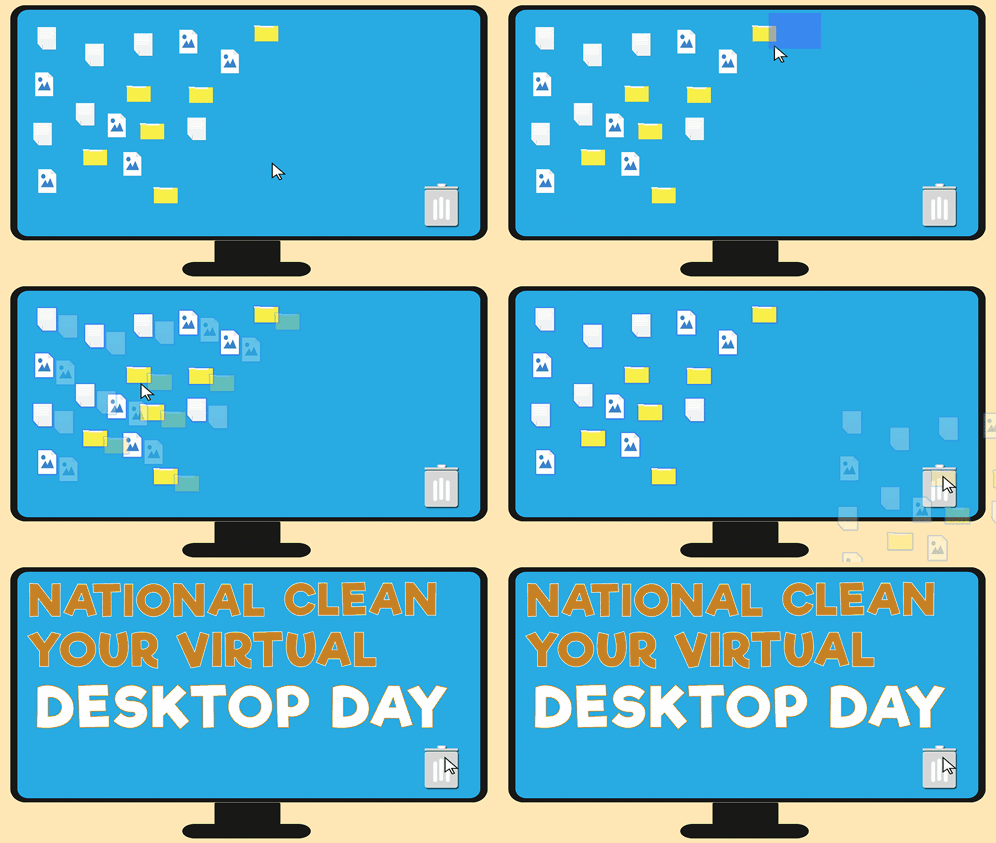
  • 1. Organize Your Digital Files

    • Create Folders: Organize files into well-structured folders for easy access.
    • Use Descriptive Names: Name files clearly to make searching easier.

    2. Streamline Your Email

    • Unsubscribe: Regularly unsubscribe from newsletters and promotional emails you no longer read.
    • Use Folders and Labels: Organize emails into folders or use labels to keep your inbox tidy.

    3. Limit Social Media Use

    • Choose Platforms Wisely: Focus on one or two platforms that matter most to you.
    • Set Time Limits: Use screen time management tools to limit your social media usage.

    4. Manage Passwords Effectively

    • Use a Password Manager: This can help you create and store complex passwords securely.
    • Enable Two-Factor Authentication: Add an extra layer of security to your accounts.

    5. Prioritize Digital Minimalism

    • Delete Unused Apps: Remove apps that you don’t use regularly to declutter your devices.
    • Limit Notifications: Turn off non-essential notifications to reduce distractions.

    6. Utilize Productivity Tools

    • Task Management Apps: Use tools like Todoist or Trello to manage tasks and projects efficiently.
    • Calendar Apps: Keep your schedule organized with digital calendars that sync across devices.

    7. Backup Important Data

    • Cloud Storage: Use services like Google Drive or Dropbox to back up important files.
    • Regular Backups: Set a schedule for regular backups to avoid data loss.

    8. Practice Mindful Browsing

    • Limit Open Tabs: Keep only essential tabs open to reduce overwhelm.
    • Use Reader Mode: For articles, use reader modes in browsers to minimize distractions.

    9. Review and Adjust Regularly

    • Monthly Check-ins: Take time each month to review your digital habits and make adjustments as needed.
    • Set Goals: Establish clear goals for your online presence to stay focused.

    By implementing these strategies, you can create a more organized and efficient digital life, making your online presence simpler and less overwhelming.


  • Myths:

    1. Increased Productivity: Many believe multitasking boosts productivity. In reality, focusing on one task at a time often leads to better efficiency and output.
    2. Brain Optimization: It’s a common myth that the brain can handle multiple tasks simultaneously. Studies show that what we perceive as multitasking is actually rapid task-switching, which can hinder performance.
    3. Time-Saver: People think multitasking saves time. However, switching between tasks can lead to time loss due to the cognitive load required to refocus.
    4. Universal Skill: It’s assumed everyone can multitask effectively. However, individual capabilities vary greatly, and some people find it more challenging than others.

    Realities:

    1. Cognitive Overload: Multitasking can lead to mental fatigue and decreased overall performance. The brain can only handle a limited amount of information at once.
    2. Quality of Work: When multitasking, the quality of work can suffer. Mistakes are more likely to occur, and creativity can be stifled.
    3. Stress and Burnout: Juggling multiple tasks can increase stress levels and contribute to burnout, as constant task-switching creates pressure.
    4. Learning Impact: For complex tasks, multitasking can hinder learning and retention, as our brains need focused attention to absorb information effectively.

    In summary, while multitasking may seem like an efficient way to get things done, it often leads to diminished returns in productivity and quality. Focusing on one task at a time is generally more effective for achieving better results.