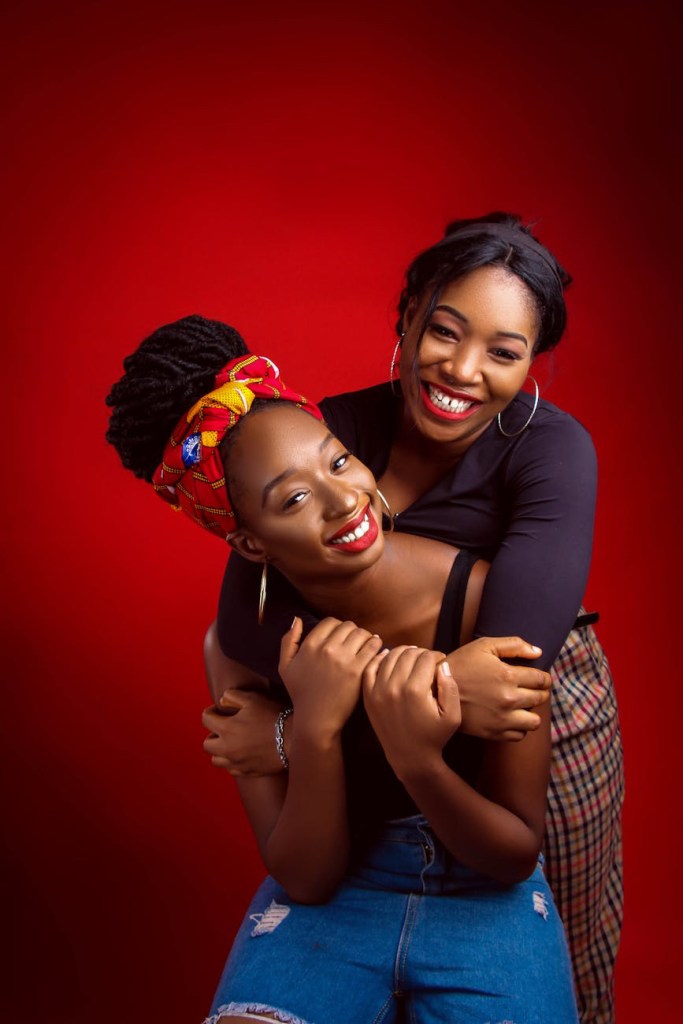
There’s something sacred about friendship between Black women. It’s more than shared laughs or group chats—it’s a space where we get to exhale. In a world that often expects us to be everything to everyone, these friendships can become a soft place to land, a mirror for growth, and sometimes… a lesson in letting go.
But let’s be honest: not all friendships are healthy, and not all of them are meant to last forever.
Healing Together, Not Bleeding on Each Other
Many of us come into friendships carrying unspoken wounds—childhood trauma, betrayal, abandonment, or simply the exhaustion of always being “the strong one.” When two people are hurting, it can feel like connection, but sometimes it turns into co-dependency or silent competition.
Healing friendships are different. They hold space without judgment. They don’t weaponize your vulnerability later. They allow you to show up as you are—but also encourage you to grow beyond who you’ve been.
Real friendship sounds like:
“I love you, but I need honesty from you.”
“I see you struggling—how can I support you without losing myself?”
“You don’t have to be strong all the time with me.”
Growth Means Everyone Won’t Come With You
One of the hardest truths? Growth can shift your circle.
As you evolve, your standards change. Your tolerance changes. What you once entertained—gossip, negativity, inconsistency—starts to feel heavy. And suddenly, conversations don’t flow the same. The connection feels different.
That doesn’t make you fake. It makes you aware.
Some friendships were built on survival, not alignment. And when you start choosing peace, purpose, and healing, it can naturally create distance. That’s not betrayal—that’s transition.
Boundaries Are Not Betrayal
For a long time, many of us were taught that being a “good friend” meant always being available, always saying yes, always putting others first. But that kind of thinking leads to burnout and resentment.
Boundaries are not walls—they’re instructions on how to love you properly.
Healthy boundaries in friendship can look like:
Not answering every call when you’re emotionally drained Saying no without over-explaining Choosing not to engage in gossip or negativity Addressing issues instead of avoiding them Walking away when respect is no longer mutual
And here’s the part people don’t say enough: the right people will respect your boundaries. The ones who don’t? They benefited from you not having any.
Choosing Depth Over Drama
Black women deserve friendships that feel safe, not stressful. Not rooted in jealousy, comparison, or silent tension—but in genuine support, accountability, and love.
We deserve friends who clap when we win, sit with us when we’re grieving, and correct us with care when we’re wrong.
That kind of friendship requires intention. It requires unlearning toxic habits, communicating openly, and being willing to both apologize and forgive.
Final Thought
Not every friendship will survive your healing—and that’s okay.
The goal isn’t to keep everyone. The goal is to become whole.
And the friendships meant for you? They will meet you in that wholeness, not compete with it.

Leave a comment