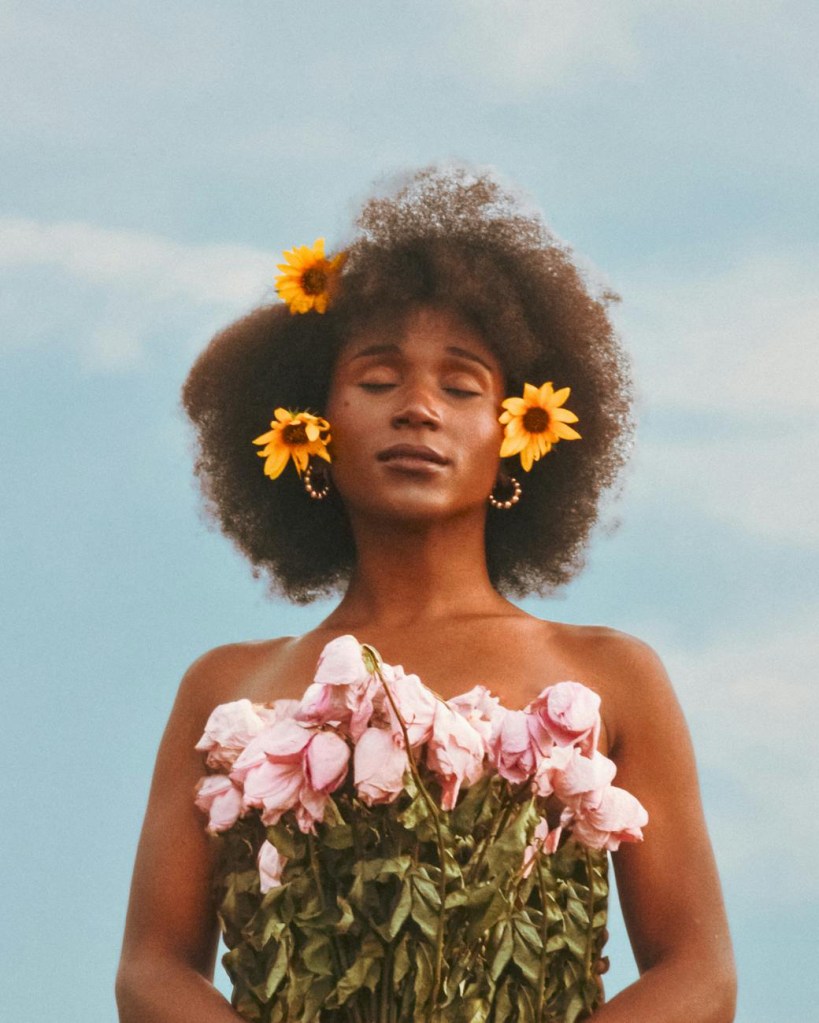
Body positivity is a powerful, healing movement rooted in one core belief: every body is worthy of love, respect, and care — exactly as it is. It’s about rejecting unrealistic beauty standards and learning to honor the body you live in, regardless of size, shape, skin tone, ability, or appearance.
🌈 What Is Body Positivity?
At its heart, body positivity means:
Appreciating your body for what it does, not just how it looks Rejecting harmful messages that promote shame or perfection Creating space for all bodies to be seen, heard, and celebrated Healing your relationship with your body, food, and self-image
It doesn’t mean you have to love how your body looks every single day — it means you respect and care for it anyway.
💖 Why Body Positivity Matters
✅ Improves Mental Health
Loving or accepting your body helps reduce anxiety, depression, and low self-esteem — especially in a world that constantly tells people they’re “not enough.”
✅ Protects Against Disordered Eating
Body positivity encourages intuitive eating and self-nourishment over diets, restriction, or punishment.
✅ Promotes Inclusion & Representation
The movement challenges racism, fatphobia, ableism, ageism, and other forms of body-based discrimination. All bodies deserve representation and dignity.
✅ Builds Confidence & Empowerment
When you’re no longer at war with your body, you reclaim the energy to live fully, speak up, take up space, and pursue joy unapologetically.
🌻 Ways to Practice Body Positivity
Unfollow toxic media that promotes unrealistic body ideals Surround yourself with diverse body-positive content Speak kindly to and about your body — shift your inner voice Move your body in ways that feel joyful, not punishing Celebrate what your body allows you to do — dance, breathe, heal Wear what makes you feel confident — not what hides you
✨ Affirmations for Body Positivity
“My body is not wrong — the standards are.” “I am more than a number on a scale.” “I choose appreciation over criticism.” “My body is worthy of love, today and always.”
🌟 Final Thought
Body positivity isn’t vanity — it’s liberation.
It’s about reclaiming your body from shame, choosing compassion, and allowing yourself to be fully human. You don’t need to change your body to be worthy. You’re already enough, just as you are.
Would you like a downloadable version of this, or maybe a quote graphic or daily body-positive journal prompts?
💬 Why Talking About Sex Openly Amongst Women Matters
Breaks shame and silence Normalizes desires, boundaries, and different experiences Encourages education, not just exploration Builds confidence and healthy relationships Makes space for healing from trauma, confusion, or misinformation
You’re not “too much,” “too curious,” or “too late.” You’re allowed to ask, learn, and want more.
🔥 What Women Often Expect or Need to Feel Sexually Satisfied
Every woman is different, but many share these needs:
1. 🧠 Mental & Emotional Safety
Feeling respected, heard, and emotionally connected Being able to express “yes,” “no,” or “maybe” without judgment Space to explore without pressure or performance
Emotional connection often unlocks physical intimacy.
2. 🗣️ Open Communication
What feels good and what doesn’t What turns you on, what turns you off Honest talk about boundaries, STIs, and desires
Good sex often starts with good communication.
3. ❤️🔥 Foreplay, Time & Presence
Most women need more than 2 minutes to feel ready — mentally and physically Touch, kissing, sensual talk, buildup — it all counts Presence > performance. Being fully in the moment is everything
4. 🌺 Understanding of Our Bodies
Knowing your own pleasure zones (clitoris, g-spot, etc.) Exploring on your own (masturbation is self-knowledge) Feeling empowered to guide or teach a partner
You are not complicated — you are layered, and that’s beautiful.
5. 💕 Emotional Connection or Trust (for many)
For some women, casual sex isn’t satisfying unless there’s emotional intimacy For others, it’s about trust, not love — feeling safe enough to relax and enjoy
6. ⏸️ Freedom from Pressure, Guilt, or Shame
Being able to enjoy sex for you, not just for your partner Not feeling rushed, judged, or “obligated”
Satisfaction happens when sex is a choice, not a duty.
🧠 Conversation Starters for Women
Use these with close friends, sisters, or safe community spaces:
“Did anyone ever really teach you about pleasure?” “What do you think is missing from the way women are taught about sex?” “What’s something you wish more women felt comfortable asking?” “How did you first learn what you like — or are you still figuring it out?”
Final Thought:
Talking about sex isn’t dirty — silencing women’s experiences is.
When we speak up, ask questions, share truths, and unlearn shame, we reclaim power and make room for more joy, pleasure, and connection.
What are your thoughts ? Should we as women be more open to the discussion or keep quiet ? 🤐
Self-love is not just a trendy phrase — it’s a transformative force that can deeply impact your emotional, mental, and even physical well-being. Here’s a breakdown of how and why self-love holds such powerful healing energy:
🌱 What Is Self-Love?
Self-love is the practice of valuing, nurturing, and accepting yourself — not in a selfish way, but in a way that honors your worth and humanity. It includes:
Self-respect: Setting boundaries and saying no when needed Self-compassion: Being kind to yourself during times of failure or pain Self-care: Taking care of your mind, body, and soul intentionally Self-acceptance: Embracing all parts of yourself — even the imperfect ones
💫 How Self-Love Heals
1. Reduces Anxiety and Depression
When you treat yourself with kindness instead of harsh criticism, your inner world becomes a safer place. This shift can lower stress hormones, reduce anxiety, and ease symptoms of depression.
2. Builds Emotional Resilience
Self-love gives you a foundation of strength to bounce back from setbacks. You learn to cope without crumbling, and to forgive yourself instead of spiraling in shame.
3. Improves Relationships
When you love yourself, you stop seeking validation from others and start forming healthier connections — built on mutual respect instead of need or fear.
4. Enhances Physical Health
People who practice self-love are more likely to care for their bodies, eat well, sleep better, and avoid destructive habits. This can lead to real improvements in physical health over time.
5. Rewires Negative Thinking
Self-love changes your inner narrative. Instead of self-doubt and judgment, you learn to speak to yourself with encouragement and grace — which actually reshapes your brain’s pathways.
🌸 Ways to Cultivate Self-Love
Practice positive affirmations daily Treat yourself the way you would a close friend Allow yourself to rest without guilt Forgive your past mistakes Celebrate your growth — even the small wins Seek help when needed (therapy, support groups, etc.)
🌟 Final Thought
Self-love is not a destination — it’s a lifelong practice. But the more you show up for yourself, the more whole, grounded, and peaceful you become. And from that place, healing naturally unfolds.
Would you like a poem, quote, or a graphic to go along with this message?
Unique Journey: Everyone has their own path, shaped by different experiences, challenges, and opportunities. Recognizing that your journey is unique allows you to appreciate your progress without the pressure of comparison.
Self-Acceptance: Comparing yourself to others can lead to self-doubt and insecurity. Embracing who you are, with all your strengths and imperfections, fosters self-acceptance and confidence.
Focus on Growth: Instead of measuring yourself against others, concentrate on your own goals and personal development. Set benchmarks based on your aspirations and celebrate your achievements, no matter how small.
Limit Social Media Exposure: Social platforms often highlight curated versions of people’s lives, which can skew your perception. Consider taking breaks from social media or curating your feed to include positive, uplifting content.
Practice Gratitude: Regularly reflect on the things you’re grateful for in your life. This practice can shift your focus from what others have to appreciating what you possess, fostering a more positive mindset.
Surround Yourself with Supportive People: Build relationships with those who uplift and encourage you rather than those who instigate feelings of inadequacy. A supportive community can help you embrace your individuality.
Cultivate Mindfulness: Engage in mindfulness practices such as meditation or journaling. These can help you stay present and focused on your own thoughts and feelings without being distracted by external comparisons.
Set Personal Goals: Define your own success criteria based on what truly matters to you, rather than societal standards. Setting and pursuing your goals can provide a sense of purpose that outweighs comparison.
Celebrate Others’ Successes: Instead of viewing others’ achievements as threats, celebrate them. Acknowledging the success of others can foster a sense of community and inspire you on your journey.
Remember Impermanence: Life is constantly evolving, and circumstances can change. What may seem like success for someone else today might not be the same tomorrow. Focus on your own growth and adaptability.
By letting go of the habit of comparison, you can cultivate a more compassionate relationship with yourself and others, leading to a more fulfilling and authentic life. Embrace your uniqueness, and remember that your journey is yours alone.
Start by reflecting on what you want to achieve in various areas of your life, such as career, relationships, health, personal growth, and travel. Write down specific goals or themes.
2. Gather Supplies
Collect materials such as a poster board or corkboard, magazines, scissors, glue, markers, and any decorative items you’d like to use (stickers, washi tape, etc.).
3. Find Inspiration
Look through magazines, print images, or search online for quotes, pictures, and symbols that resonate with your goals. Focus on visuals that evoke positive emotions and motivation.
4. Organize Your Layout
Before gluing anything down, arrange the images and quotes on your board. You can organize them by category (e.g., career, personal, travel) or create a free-flowing design. This helps you visualize how everything fits together.
5. Create a Positive Atmosphere
Choose a quiet space where you can focus. Play uplifting music or light a candle to enhance your creative environment and keep your energy positive.
6. Glue It Down
Once you’re satisfied with the layout, start gluing down the images and quotes. Take your time and enjoy the process; this is a reflection of your aspirations.
7. Add Personal Touches
Feel free to add your own drawings, affirmations, or personal photos to make the board uniquely yours. This personal connection can enhance its impact.
8. Display Your Vision Board
Place your vision board somewhere visible, like your bedroom, office, or workspace. Regularly seeing it will keep your goals top of mind and inspire motivation.
9. Review and Update
Set aside time periodically to review your vision board. Reflect on the progress you’ve made and update it as your goals evolve or new aspirations arise. This keeps your vision fresh and relevant.
10. Take Action
A vision board is a tool for visualization, but it’s essential to pair it with actionable steps. Break down your goals into smaller, manageable tasks and start working towards them.
Creating a vision board is a powerful way to clarify your dreams and intentions. It serves as a daily reminder of what you’re working towards, helping to keep you motivated and aligned with your vision for the future. Enjoy the creative process and embrace the journey ahead!
Diverse Leadership: Women bring unique perspectives and experiences to leadership roles, which can drive innovation and creativity. Their diverse viewpoints contribute to more comprehensive decision-making and problem-solving.
Role Models: Women in leadership positions serve as role models for younger generations, inspiring them to pursue their ambitions. Visibility of female leaders can empower girls and women to believe in their potential.
Breaking Barriers: Women leaders challenge traditional norms and stereotypes, paving the way for future generations. Their success stories encourage others to confront and overcome societal obstacles.
Collaboration and Empathy: Research shows that female leaders often emphasize collaboration, empathy, and emotional intelligence. These traits foster inclusive environments that promote teamwork and well-being.
Advocating for Change: Women leaders often champion social issues, advocating for equality, diversity, and sustainability. Their commitment to social justice can lead to meaningful changes within organizations and communities.
Building Networks: Women leading the way often create networks of support, mentorship, and collaboration. These communities empower women to share resources and experiences, fostering mutual growth.
Economic Impact: Increasing the number of women in leadership roles can have a significant positive impact on economies. Gender-diverse leadership teams are correlated with better financial performance and organizational success.
Education and Empowerment: Women leaders often prioritize education and skill development, both for themselves and for others. They invest in initiatives that uplift and empower women and girls, creating a positive ripple effect.
Intersectionality: Recognizing the importance of intersectionality, women leaders advocate for inclusivity that acknowledges various identities and experiences. This approach ensures that diverse voices are heard and represented.
Sustaining Momentum: The movement for women in leadership continues to grow, but it requires ongoing effort. Supporting policies that promote gender equality, mentorship programs, and leadership training can help sustain this momentum.
Women leading the way is not just about individual success; it’s about creating a collective impact that transforms society. By amplifying women’s voices and fostering their leadership, we can create a more equitable and just world for everyone.
Gratitude Journaling: Dedicate a few minutes each day to write down things you are grateful for. This could be anything from a supportive friend to a beautiful sunset.
Positive Affirmations: Start your day with positive affirmations that remind you of your strengths and what you appreciate in your life.
Mindfulness and Meditation: Practice mindfulness to center yourself in the present moment. This can help you recognize and appreciate the good things around you.
Limit Negative Input: Reduce exposure to negative news or social media that can amplify feelings of burden. Instead, seek out uplifting content.
Surround Yourself with Positive People: Spend time with those who uplift and inspire you, as their positivity can influence your outlook.
Reflect on Challenges: Instead of dwelling on burdens, reframe them as opportunities for growth. Consider what you’ve learned or how you’ve grown from difficult experiences.
Celebrate Small Wins: Acknowledge and celebrate even the smallest achievements in your life. This reinforces a positive mindset.
Acts of Kindness: Engage in acts of kindness toward others. Helping others can create a sense of fulfillment and shift your focus away from your own burdens.
Create Visual Reminders: Use sticky notes or vision boards with quotes, images, or reminders of your blessings, placing them where you’ll see them often.
Set Intentions: Each morning, set an intention to focus on the positive aspects of your day.
Incorporating these practices into your daily routine can help you cultivate a mindset that emphasizes gratitude and positivity.
Embrace Authenticity: Many women leaders emphasize the importance of being true to oneself. Authenticity fosters trust and respect, both from teams and peers. Leaders like Michelle Obama advocate for staying genuine and embracing one’s unique voice.
Build Strong Relationships: Effective leadership often hinges on the ability to connect with others. Women leaders like Jacinda Ardern prioritize empathy and relational dynamics, showing that strong connections can create more cohesive and motivated teams.
Champion Diversity and Inclusion: Women leaders understand the power of diverse perspectives. Leaders like Malala Yousafzai advocate for equal opportunities and education for all, highlighting that inclusivity drives innovation and better decision-making.
Resilience in the Face of Adversity: Many women leaders have faced challenges and setbacks, yet they demonstrate resilience. Leaders like Ruth Bader Ginsburg show that perseverance and determination can lead to significant change, inspiring others to overcome their obstacles.
Mentorship and Support: Women leaders often emphasize the importance of lifting others as they climb. Mentorship fosters growth and development, creating a supportive network that empowers future leaders. Leaders like Sheryl Sandberg encourage women to support one another in their journeys.
Adaptability and Agility: The ability to adapt to changing circumstances is crucial. Leaders like Indra Nooyi exemplify how flexibility and a willingness to embrace change can drive organizational success, especially in rapidly evolving environments.
Focus on Collaboration: Many successful women leaders prioritize collaboration over competition. This approach fosters teamwork and collective problem-solving, creating a more inclusive and innovative work culture.
Value Work-Life Balance: Women leaders often advocate for a healthy work-life balance. Leaders like Arianna Huffington highlight that self-care and well-being are essential for sustainable success and effective leadership.
Be Fearless in Pursuing Goals: Women leaders encourage taking bold steps toward aspirations. Figures like Ellen Johnson Sirleaf show that courage and determination can break barriers and pave the way for future generations.
Continuous Learning: Many women leaders emphasize the importance of lifelong learning. Leaders like Angela Merkel illustrate that staying curious and open to new ideas is vital for personal and professional growth.
By absorbing these lessons from women leaders, individuals can cultivate their leadership styles and contribute positively to their communities and organizations.
Empowerment: Making choices allows individuals to take control of their lives. When you recognize that you have the ability to make decisions, it fosters a sense of empowerment and responsibility.
Personal Growth: Choices often lead to opportunities for growth and self-discovery. Each decision we make can teach us something new about ourselves, our values, and our aspirations.
Influence on Outcomes: The choices we make directly impact our circumstances and future. Whether in our careers, relationships, or personal goals, the decisions we take can lead us closer to or further from our desired outcomes.
Diversity of Perspectives: Every choice reflects a unique perspective and set of experiences. When we make choices, we contribute to a tapestry of diverse viewpoints that enrich our communities and interactions.
Learning from Mistakes: Not every choice will lead to the desired outcome, but that’s part of the journey. Mistakes can provide valuable lessons, helping us refine our decision-making skills and resilience.
Freedom and Autonomy: The ability to choose is closely tied to personal freedom. It allows individuals to assert their identity and preferences, creating a sense of autonomy in their lives.
Navigating Challenges: In times of adversity, the power of choice can be a source of hope. Even when circumstances are difficult, the ability to choose how to respond can define our resilience.
Building Relationships: Choices play a crucial role in how we connect with others. The decisions we make about whom to trust, support, and surround ourselves with can significantly influence our relationships and well-being.
Impact on Society: Collectively, the choices made by individuals shape societal norms, values, and systems. Empowering others to make informed choices can lead to positive change in communities.
Mindfulness in Decision-Making: Being aware of the choices we make and reflecting on their implications can lead to more intentional and fulfilling lives. Practicing mindfulness can enhance our decision-making process.
Ultimately, the power of choice is about more than just making decisions; it’s about embracing the journey of life, learning from experiences, and shaping the future with intention and purpose.