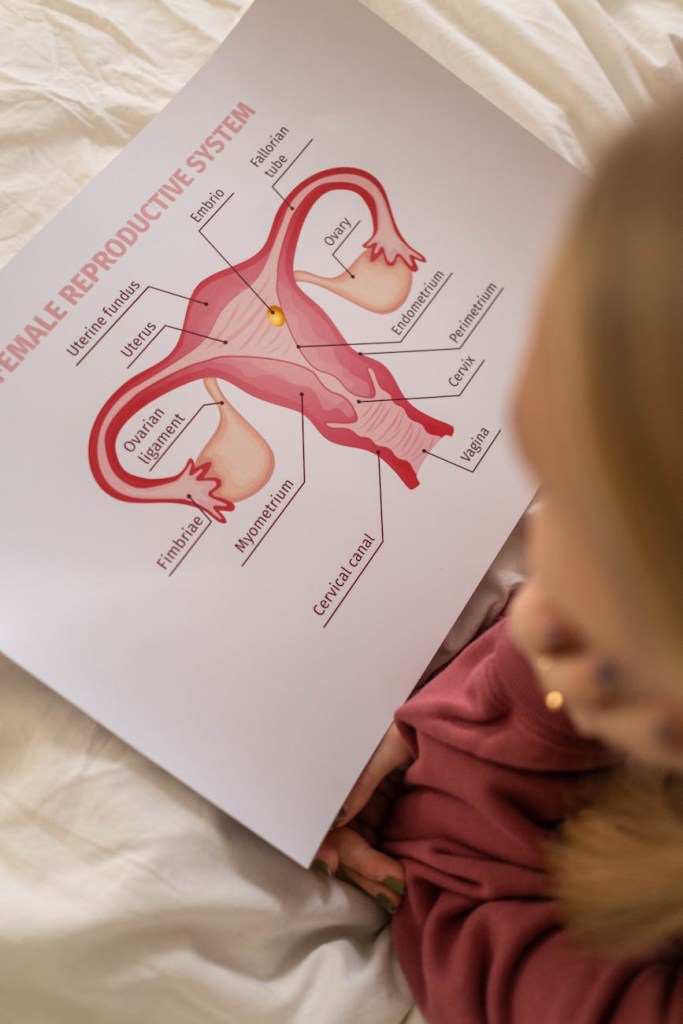
1. Encouragement: Encourage your friends to share their health experiences and feelings. Acknowledge that each woman’s journey is unique.
    2. Topics of Interest:
    • Reproductive Health: Conversations about menstrual cycles, pregnancy, menopause, and reproductive rights can be important.
    • Mental Health: Discussing mental well-being, including stress management, anxiety, and self-care practices.
    • Nutrition and Exercise: Sharing tips on healthy eating and fitness routines can inspire each other.
    1. Regular Check-Ups: Remind each other of the importance of regular health screenings such as mammograms, Pap smears, and routine check-ups.
    2. Support Systems: Talk about the importance of having a support system and how friends can help each other through challenging times.
    3. Sharing Resources: Share articles, books, or podcasts that focus on women’s health topics that might be beneficial.
    4. Respect Privacy: Be mindful of personal boundaries and respect each other’s privacy when discussing sensitive health issues.

    Creating a safe space for these conversations can strengthen friendships and promote better health awareness among women.


  • Weekly Workout Plan

    Day 1: Full-Body Strength Training (30-45 minutes)

    • Squats: 3 sets of 10-15 reps
    • Push-ups: 3 sets of 8-12 reps (modify as needed)
    • Dumbbell Rows: 3 sets of 10-12 reps per arm
    • Plank: 3 sets of 30-60 seconds

    Day 2: Cardio (20-30 minutes)

    • Brisk walking, jogging, cycling, or a HIIT workout (e.g., jumping jacks, burpees).
    • Aim for a moderate intensity that gets the heart rate up.

    Day 3: Yoga or Stretching (30 minutes)

    • Focus on flexibility and relaxation. Incorporate poses like Downward Dog, Warrior, and Child’s Pose.

    Day 4: Lower Body & Core (30-45 minutes)

    • Lunges: 3 sets of 10-12 reps per leg
    • Deadlifts (dumbbells or bodyweight): 3 sets of 10-15 reps
    • Glute Bridges: 3 sets of 15 reps
    • Russian Twists: 3 sets of 15 reps per side

    Day 5: Cardio Intervals (20-30 minutes)

    • Alternate between high-intensity bursts (30 seconds) and low-intensity recovery (1 minute).

    Day 6: Upper Body & Core (30-45 minutes)

    • Shoulder Press: 3 sets of 10-12 reps
    • Tricep Dips: 3 sets of 8-12 reps
    • Bicycle Crunches: 3 sets of 15 reps per side
    • Mountain Climbers: 3 sets of 30 seconds

    Day 7: Active Recovery

    • Light activities such as walking, casual biking, or swimming.

    Tips for Success

    • Time Management: Schedule workouts like appointments and stick to them.
    • Flexibility: If a day is too packed, opt for a quick 10-15 minute workout.
    • Stay Hydrated: Drink plenty of water throughout the day.
    • Nutrition: Combine workouts with a balanced diet for optimal results.
    • Listen to Your Body: Rest days are essential; adjust the regimen based on energy levels.

    This plan can be tailored to fit personal schedules, preferences, and fitness levels. Consistency is key, so find activities that are enjoyable to make it easier to stick with the regimen!

  • migraines can seriously affect daily life. Let’s break it down:

    👩‍⚕️ How Many Women Suffer from Migraines?

    In the U.S., about 1 in 5 women (20%) experience migraines at some point. Women are about 3 times more likely to have migraines than men. Migraines often begin in the teen years or early adulthood, and can become more frequent during hormonal changes (periods, pregnancy, menopause). The World Health Organization lists migraines among the top causes of disability for women under 50.

    🌿 Steps You Can Take to Help Manage Migraines

    Track Your Triggers Common ones: stress, certain foods (aged cheese, chocolate, red wine), skipped meals, lack of sleep, bright lights, weather changes, and hormones. Keep a migraine diary (what you ate, stress levels, sleep, etc.). Lifestyle Adjustments Sleep – Aim for a consistent schedule. Hydration – Dehydration is a big trigger; drink water throughout the day. Balanced diet – Don’t skip meals; avoid known trigger foods. Stress management – Deep breathing, yoga, or meditation can help

    . Exercise – Light, regular activity (like walking or swimming) may reduce migraine frequency.

    At-Home Relief Rest in a quiet, dark room. Apply a cold compress to your forehead or neck.

    Try over-the-counter pain relievers (ibuprofen, acetaminophen, or aspirin) — but limit use to avoid rebound headaches.

    🩺 When to See a Doctor

    Seek medical help if:

    Migraines are frequent (more than 4 days per month) or very severe. OTC medicine doesn’t work, or you rely on it more than 2–3 times a week. Headaches disrupt your daily activities, work, or sleep. Your migraines are getting worse over time. You experience new or alarming symptoms, such as: Sudden, severe headache (“the worst headache of your life”) Headache with fever, stiff neck, or rash Vision loss, slurred speech, weakness, or confusion

    💡 Treatment Options from Doctors

    Prescription medications – for stopping attacks (triptans, CGRP inhibitors) or preventing them (beta blockers, anti-seizure meds, antidepressants). Hormone-related treatments – if migraines are tied to menstrual cycles. Botox injections or new CGRP therapies – for chronic migraines. Lifestyle coaching & physical therapy – sometimes part of a full care plan.

    ✨ Bottom line: Migraines are very common in women, but they’re treatable. If they’re interfering with your life, that’s the time to talk with your doctor for personalized treatment.

    1. Vitamin D: Many black women may have lower levels of vitamin D due to higher melanin levels, which can affect the body’s ability to produce vitamin D from sunlight. Supplements can help maintain healthy levels.
    2. Calcium: Essential for bone health, calcium is particularly important as women age to prevent osteoporosis.
    3. Iron: Especially important for women of childbearing age to prevent anemia.
    4. Folic Acid (Vitamin B9): Important for women who are pregnant or planning to become pregnant, as it helps prevent neural tube defects in the fetus.
    5. Omega-3 Fatty Acids: Beneficial for heart health and reducing inflammation.
    6. Vitamin B12: Important for energy production and maintaining healthy nerve cells, especially for those on vegetarian or vegan diets.
    7. Multivitamins: A good multivitamin can help fill any gaps in the diet and ensure that all essential nutrients are being consumed.

    Before starting any supplement regimen, it’s always best to consult with a healthcare provider to assess individual needs and avoid potential interactions with medications or other supplements.

  • 1. Identify Your Specific Needs

    • Determine the type of care you require (e.g., primary care, gynecology, obstetrics, mental health, etc.).
    • Consider any specific health issues, risk factors, or conditions that may need special attention.

    2. Seek Recommendations

    • Ask friends, family, or colleagues for recommendations based on their experiences.
    • Consult with other healthcare providers for referrals, especially if you have a specialist in mind.

    3. Check Credentials and Experience

    • Verify the doctor’s qualifications, board certifications, and specializations.
    • Look into their experience, particularly with specific conditions or procedures relevant to your needs.

    4. Research Their Approach to Care

    • Investigate the doctor’s philosophy and approach to treatment. Do they prioritize preventive care? Are they open to discussing alternative treatments?
    • Look for providers who emphasize patient education and shared decision-making.

    5. Assess Communication Style

    • Schedule a consultation to gauge how comfortable you feel with the doctor. Do they listen to your concerns? Are they respectful and empathetic?
    • Effective communication is vital for building trust and ensuring you feel heard.

    6. Consider Accessibility

    • Evaluate the location of the practice and its convenience for you.
    • Check the office hours, availability for appointments, and whether they offer telehealth options.

    7. Review Insurance and Costs

    • Ensure the doctor is in-network with your health insurance plan, if applicable.
    • Understand the costs associated with visits and any potential out-of-pocket expenses.

    8. Read Reviews and Patient Feedback

    • Look for online reviews from other patients to gain insight into their experiences with the doctor.
    • Consider both positive and negative feedback to get a balanced view.

    9. Evaluate Office Environment

    • Pay attention to the office environment and staff interactions. A welcoming and organized office can enhance your overall experience.
    • Assess wait times and how the staff handles scheduling and administrative tasks.

    10. Trust Your Instincts

    • Ultimately, trust your intuition. If you feel uncomfortable or not fully supported by a doctor, it’s okay to seek a second opinion or find someone else.

    Conclusion

    Choosing the right doctor is a personal decision that can significantly impact your health and well-being. Taking the time to research, ask questions, and evaluate your options will help you find a healthcare provider who meets your needs and makes you feel confident in your care.

  • 1. Breast Cancer

    • Description: While men can develop breast cancer, it is far more common in women due to the higher amount of breast tissue.
    • Early Signs:
      • A lump or mass in the breast or underarm area.
      • Changes in breast shape or size.
      • Changes in the skin over the breast, such as dimpling or puckering.
      • Nipple discharge, particularly if it is bloody or occurs without squeezing.

    2. Cervical Cancer

    • Description: This cancer occurs in the cervix, the lower part of the uterus, and is primarily caused by persistent infection with certain strains of the human papillomavirus (HPV).
    • Early Signs:
      • Abnormal vaginal bleeding (between periods or after intercourse).
      • Unusual vaginal discharge.
      • Pelvic pain or discomfort.
      • Pain during intercourse.

    3. Uterine (Endometrial) Cancer

    • Description: This cancer develops in the lining of the uterus (endometrium) and is often associated with hormonal factors.
    • Early Signs:
      • Abnormal vaginal bleeding, especially after menopause.
      • Pelvic pain or pressure.
      • Changes in menstrual cycles (for premenopausal women).

    4. Ovarian Cancer

    • Description: Ovarian cancer begins in the ovaries and is often diagnosed at a later stage due to subtle early symptoms.
    • Early Signs:
      • Abdominal bloating or swelling.
      • Pelvic pain or discomfort.
      • Changes in appetite or feeling full quickly.
      • Frequent urination or urgency.

    5. Vulvar Cancer

    • Description: This cancer occurs on the external genitalia (vulva) and can be linked to HPV infection.
    • Early Signs:
      • Itching or irritation of the vulva.
      • Changes in the color or texture of the skin on the vulva.
      • A lump or sore that does not heal.
      • Pain during intercourse.

    Conclusion

    These cancers highlight the importance of gender-specific awareness and education regarding symptoms and risk factors. Women should engage in regular screenings and consultations with healthcare providers to promote early detection and improve outcomes for these cancers. If any unusual symptoms occur, it is essential to seek medical advice promptly.

  • Early Signs and Symptoms

    Ovarian cancer can be challenging to detect early because its symptoms are often vague and can be mistaken for other conditions. However, some early signs and symptoms to watch for include:

    1. Abdominal Bloating: Persistent bloating or swelling in the abdomen that does not go away can be an early indicator.
    2. Pelvic Pain: Discomfort or pain in the pelvic region, which may feel different from typical menstrual cramps.
    3. Changes in Appetite: A sudden decrease in appetite or feeling full quickly after eating small amounts of food.
    4. Urinary Changes: Increased frequency of urination or an urgent need to urinate without a clear cause.
    5. Unexplained Weight Loss: Losing weight without trying, which can be a red flag for various health issues, including cancer.
    6. Fatigue: Persistent fatigue that does not improve with rest or changes in lifestyle.
    7. Menstrual Changes: Irregularities in menstrual cycles, such as heavier or more prolonged periods.
    8. Digestive Issues: Symptoms like nausea, constipation, or changes in bowel habits that are persistent.

    Importance of Early Detection

    Due to the nonspecific nature of these symptoms, many women may not recognize them as potential signs of ovarian cancer. It is crucial for women, especially those at higher risk, to be vigilant and consult a healthcare provider if they experience any of these symptoms consistently (typically more than a few times a week) over a period of time.

    Conclusion

    Understanding ovarian cancer and its early signs can lead to earlier diagnosis and treatment, which significantly improves outcomes. Regular check-ups and open communication with healthcare providers about any concerning symptoms are vital for women’s health.

  • Risk Factors

    1. Genetic Predisposition: Certain cancers, such as breast cancer, may have genetic components that can affect Black women disproportionately. For instance, mutations in BRCA1 and BRCA2 genes are known to increase breast and ovarian cancer risk.
    2. Socioeconomic Status: Black women often face socio-economic challenges, including lower income and education levels, which can limit access to healthcare, nutritious food, and healthier lifestyle choices.
    3. Healthcare Access: Limited access to quality healthcare can lead to delayed diagnoses and treatment. Black women may encounter systemic barriers, such as discrimination within the healthcare system, affecting their likelihood of receiving timely screenings.
    4. Comorbidities: Higher rates of comorbid conditions, such as obesity, diabetes, and hypertension, can increase cancer risk. These health issues are more prevalent in Black women and can complicate cancer treatment.
    5. Lifestyle Factors: Lifestyle choices, including smoking, alcohol consumption, and physical inactivity, can contribute to higher cancer risks. Socioeconomic factors may influence these lifestyle choices.

    Early Detection

    1. Screening Guidelines: Adherence to recommended screening guidelines for cancers like breast, cervical, and colorectal cancer is crucial. However, Black women are often less likely to receive regular screenings.
    2. Awareness and Education: Increased awareness about the importance of early detection is vital. Education campaigns tailored to the Black community can help improve knowledge about cancer risks and the importance of regular check-ups.
    3. Community Outreach: Community health programs that provide screenings and education can bridge the gap in access. Events that offer free or low-cost screenings can significantly impact early detection rates.
    4. Culturally Competent Care: Healthcare providers should receive training on cultural competence to better understand and address the specific concerns of Black women, ensuring they feel comfortable seeking care.

    Conclusion

    Addressing the higher cancer incidence and mortality rates among Black women requires a multifaceted approach. Enhancing access to healthcare, promoting awareness and education about cancer risks, and improving early detection efforts are essential in reducing disparities and improving outcomes. Collaboration among healthcare providers, community organizations, and policymakers is crucial to creating an equitable healthcare environment for Black women.

    1. Women’s Health and Fitness Day: Celebrated annually on the last Wednesday of September, this day encourages women to prioritize their health and fitness. It promotes physical activity, healthy eating, and wellness practices among women of all ages.
    2. Gynecologic Cancer Awareness Month: This initiative aims to raise awareness about the five main types of gynecologic cancers: cervical, ovarian, uterine, vaginal, and vulvar cancers. It emphasizes the importance of regular screenings, early detection, and education about risk factors and symptoms.
    3. National Suicide Prevention Month: While this initiative is broader, it highlights the mental health challenges faced by women and the importance of addressing mental health awareness, particularly in relation to anxiety, depression, and other mental health conditions that can disproportionately affect women.
    4. National Infant Mortality Awareness Month: This month raises awareness about infant mortality rates and the factors that contribute to them, including maternal health, access to healthcare, and socio-economic factors. It emphasizes the importance of prenatal and postnatal care for mothers and infants.
    5. National Breast Cancer Awareness Month (starts in October): While this month officially begins in October, the lead-up in September often includes awareness campaigns focused on breast health, encouraging women to participate in screenings and learn about risk factors and prevention strategies.
    6. National Ovarian Cancer Awareness Month: This initiative specifically aims to raise awareness about ovarian cancer, its symptoms, and the importance of early detection. It encourages education and advocacy for improved research and treatment options.
    7. Self-Care Awareness Month: This observance emphasizes the importance of self-care practices for overall well-being, encouraging women to prioritize their mental, emotional, and physical health through regular self-care routines.
    8. Women’s Equality Day (August 26): While technically in August, the discussions and initiatives surrounding women’s equality continue into September. This day commemorates the certification of the 19th Amendment, which granted women the right to vote, and serves as a reminder of ongoing efforts for gender equality in all aspects of life, including health.

    These initiatives collectively aim to empower women, promote awareness of health issues, and encourage proactive approaches to well-being. Participating in local events, educational seminars, and awareness campaigns can help spread the message and support women’s health throughout the community.

  • Day 1: Prayer for Clarity & Wisdom

    “God, open my eyes to see what is good for me and what is not. Guide my mind to make wise choices and to walk in truth.”

    Ask for direction in decisions. Journal afterward: What areas of my life feel confusing or uncertain?

    Day 2: Prayer for Strength & Discipline

    “God, give me the strength to let go of bad habits and the discipline to stay consistent in what’s right. Help me not to quit on myself.”

    Focus on one habit you want to change. Take one small action toward discipline today.

    Day 3: Prayer for Healing

    “God, heal the wounds I carry—seen and unseen. Release me from bitterness, anger, or pain that holds me back.”

    Reflect: Who or what do I still need healing from? Write their name(s) down, and pray over them.

    Day 4: Prayer for Forgiveness

    “God, forgive me where I have fallen short. Teach me to forgive others the way You forgive me, so I can move forward in peace.”

    Take a moment to release grudges. If possible, speak forgiveness out loud: “I choose to let this go.”

    Day 5: Prayer for Purpose

    “God, show me the purpose You placed within me. Help me to use my gifts to better myself and bless others.”

    Reflect: What are my strengths? Where do I feel called to grow? Look for one way to serve or encourage someone today.

    Day 6: Prayer for Protection & Guidance

    “God, cover me from harm and negativity. Guide my steps so I don’t walk into what will destroy me. Keep me aligned with what’s meant for me.”

    Pray over your home, your family, and your journey. Imagine yourself walking in light, not darkness.

    Day 7: Prayer of Gratitude & Renewal

    “God, thank You for every lesson, every blessing, and every new chance to grow. Renew my spirit so I can walk with joy and confidence.”

    Write down 7 things you’re grateful for. End your week in peace, knowing you’re growing.

    🔑 How to Pray Properly:

    Find a quiet space – no distractions, just you and God. Be honest – speak from your heart, not from fancy words. Pray with intention – know what you’re asking for and why. Listen too – sometimes answers come in silence, scripture, or signs. Be consistent – prayer is like building muscle; the more you do it, the stronger your faith grows.