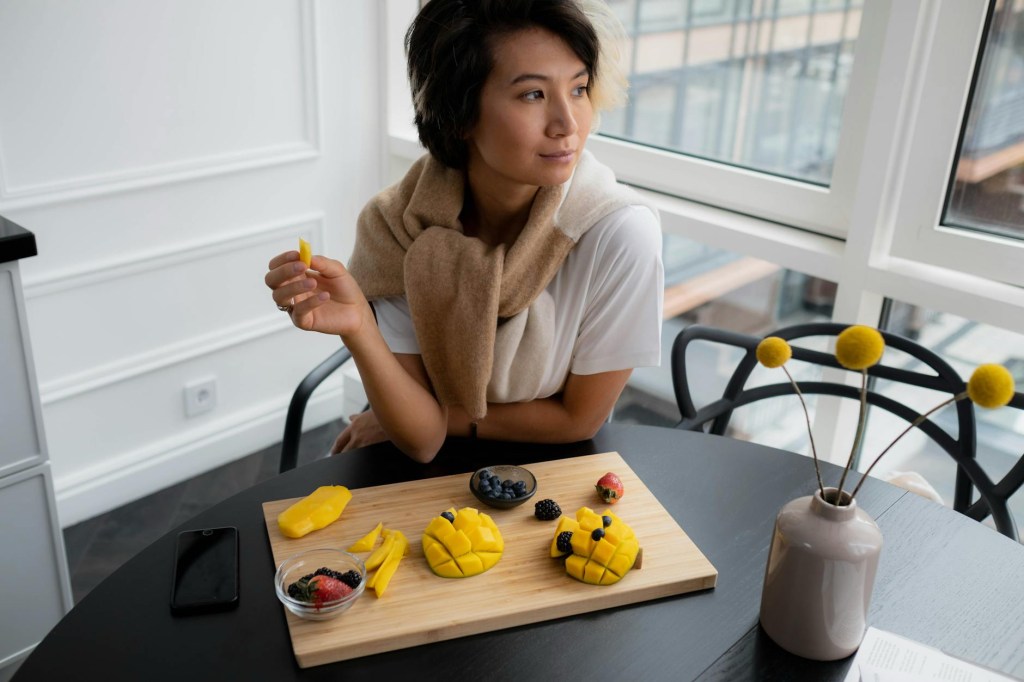
• Foods to Avoid

    1. Processed Foods: Items high in added sugars, unhealthy fats, and sodium, such as sugary snacks, fast food, and pre-packaged meals, can lead to weight gain and health issues.
    2. Sugary Beverages: Sodas, sweetened teas, and energy drinks often contain high levels of sugar that contribute to obesity and diabetes.
    3. Refined Carbohydrates: White bread, pastries, and other refined grains can spike blood sugar levels and should be limited in favor of whole grains.
    4. High-Sodium Foods: Processed meats, canned soups, and salty snacks can elevate blood pressure and lead to heart disease.
    5. Excessive Red Meat: High consumption of red meat has been linked to various health issues, so it’s wise to limit intake and opt for leaner proteins like chicken or fish.

    Healthy Habits to Adopt

    1. Incorporate Whole Foods: Emphasize fruits, vegetables, whole grains, and lean proteins in your diet. Foods like leafy greens, berries, quinoa, and legumes are nutrient-dense and beneficial.
    2. Stay Hydrated: Drink plenty of water throughout the day. Herbal teas can also be a great alternative to sugary beverages.
    3. Meal Prep: Planning and preparing meals in advance can help you make healthier choices and avoid the temptation of fast food.
    4. Mindful Eating: Pay attention to hunger cues, and try to eat without distractions. This practice can help prevent overeating.
    5. Regular Physical Activity: Aim for at least 150 minutes of moderate exercise each week. This could include walking, dancing, or joining fitness classes that you enjoy.
    6. Seek Support: Connect with friends or community groups that focus on health and wellness. Sharing experiences and tips can motivate you to stay on track.

    By making conscious decisions about what to eat and adopting these healthy habits, Black women can empower themselves to achieve better health outcomes. It’s important to listen to your body and find what works best for you. If you’re interested in specific recipes or meal ideas, just let me know!


  • “Are You Happy With Your Life?”

    This isn’t about perfection—it’s about awareness. Answer honestly, then add up your score.

    Quiz Questions

    1. When you wake up in the morning, how do you usually feel?

    A. Excited and ready for the day (3 pts)

    B. Neutral, just going through the motions (2 pts)

    C. Tired and unmotivated (1 pt)

    2. How often do you laugh or truly enjoy yourself?

    A. Almost every day (3 pts)

    B. Sometimes, but not often (2 pts)

    C. Rarely (1 pt)

    3. Do you feel your relationships (friends, family, partner) bring you joy and support?

    A. Yes, I feel loved and supported (3 pts)

    B. Somewhat, but there’s room for improvement (2 pts)

    C. No, many relationships feel draining or distant (1 pt)

    4. Do you feel like you have a purpose or direction in life?

    A. Absolutely—I know what I’m working toward (3 pts)

    B. Kind of—I’m figuring it out (2 pts)

    C. Not really—I feel lost or stuck (1 pt)

    5. How do you usually handle challenges?

    A. I stay positive and find solutions (3 pts)

    B. I get stressed but eventually push through (2 pts)

    C. I often feel overwhelmed or defeated (1 pt)

    6. How much time do you spend doing things you genuinely enjoy?

    A. Often—I make time for what makes me happy (3 pts)

    B. Occasionally, but I get caught up in obligations (2 pts)

    C. Rarely—I don’t have time or energy (1 pt)

    7. Do you feel good about yourself and your growth?

    A. Yes, I’m proud of who I am becoming (3 pts)

    B. Sometimes, but I’m too hard on myself (2 pts)

    C. No, I often feel stuck or unsatisfied (1 pt)

    Scoring

    18–21 pts: Thriving 🌟 You’re generally happy with your life! You feel purposeful, supported, and aligned. Keep nurturing what works. 13–17 pts: Content but Growing 🌿 You’re doing okay, but there are areas where you crave more joy or fulfillment. Small shifts can make a big difference. 7–12 pts: Time for Change 🔑 You may be carrying stress, emptiness, or dissatisfaction. This is your sign to explore what’s weighing you down and start building the life you deserve.

    1. Symptoms of Deficiency:
    • Fatigue and weakness
    • Bone pain or muscle weakness
    • Frequent illness or infections
    • Mood changes, such as depression
    • Hair loss
    1. Risk Factors:
    • Living in areas with limited sunlight
    • Darker skin, which can reduce vitamin D synthesis from sunlight
    • Wearing clothing that covers most of your skin
    • Being indoors for extended periods
    1. Diet:
    • Consider your intake of vitamin D-rich foods, such as fatty fish, fortified dairy products, and egg yolks.
    1. Blood Tests:
    • The most reliable way to determine your vitamin D levels is through a blood test that measures the level of 25-hydroxyvitamin D.
    1. Consult a Healthcare Provider:
    • If you suspect a deficiency, it’s best to consult with a healthcare provider who can recommend testing and appropriate supplementation if necessary.
    1. Sun Exposure:
    • Aim for safe sun exposure, which can help your body produce vitamin D, but balance it with skin protection to avoid damage.

    If you’re concerned about your vitamin D levels, it’s always a good idea to seek professional medical advice tailored to your specific situation.

  • 1. Acknowledge Your Feelings:

    Recognize and accept your emotions as valid responses to your experiences. Whether it’s joy, sadness, anger, or anxiety, acknowledging your feelings is the first step toward understanding them.

    2. Practice Mindfulness:

    Engage in mindfulness practices such as meditation, deep breathing, or yoga. These activities can help you become more aware of your emotional state and provide a space to process feelings without judgment.

    3. Journaling:

    Write down your thoughts and emotions in a journal. This practice can help clarify your feelings and identify patterns or triggers, providing insights into your emotional landscape.

    4. Talk It Out:

    Share your feelings with trusted friends or family members. Sometimes, vocalizing your emotions can provide relief and help you gain perspective.

    5. Set Boundaries:

    Learn to say no and prioritize your emotional well-being. Protecting your energy and time can help reduce feelings of overwhelm and stress.

    6. Engage in Self-Compassion:

    Be gentle with yourself. Understand that it’s okay to feel a range of emotions and that self-criticism only adds to emotional distress. Treat yourself with the same kindness you would offer a friend.

    7. Seek Professional Support:

    If you’re struggling to manage your emotions or feel overwhelmed, consider reaching out to a therapist or counselor who can provide guidance and support.

    8. Identify Triggers:

    Pay attention to what situations or interactions evoke strong emotions. Understanding your triggers can help you navigate them more effectively in the future.

    9. Cultivate Emotional Intelligence:

    Work on recognizing and understanding your emotions and those of others. This can enhance your relationships and improve your ability to respond to emotional situations.

    10. Engage in Activities That Bring Joy:

    Participate in hobbies or activities that uplift your mood and allow for creative expression. Whether it’s art, music, or sports, engaging in joyful activities can help you connect with positive emotions.

    Listening to your emotions not only fosters personal growth but also enhances your relationships and overall well-being. Embracing your emotional experiences can lead to greater self-understanding and empowerment.

  • Want to win the ultimate self-care basket? 🧺💆🏽‍♀️

    Here’s how to enter:

    1️⃣ Subscribe & like this post

    2️⃣ Follow us on Instagram @the_powerof_awoman

    3️⃣ Comment below: What does mental rest look or feel like to YOU?

    Winner will be announced October 1st 🎉 Don’t miss out—your self-care moment is waiting! 💖

  • Self-Care for Introverts

    1. Schedule Alone Time: Allocate specific times during the day for solitude to recharge your energy. This could be during lunch breaks or after work.
    2. Engage in Creative Outlets: Pursue activities like writing, painting, or crafting that allow for personal expression and are often enjoyed alone.
    3. Practice Mindfulness: Use meditation, yoga, or deep-breathing exercises to help center yourself and reduce anxiety.
    4. Limit Social Commitments: Be selective about social engagements to avoid feeling overwhelmed. It’s okay to decline invitations.
    5. Create a Cozy Environment: Set up a comfortable and quiet workspace or relaxation area at home to promote peace and focus.
    6. Read or Listen to Audiobooks: Dive into books or podcasts that interest you to stimulate your mind without the need for social interaction.

    Self-Care for Extroverts

    1. Connect with Others: Make time for socializing with friends, family, or coworkers to recharge your energy through interaction.
    2. Join Group Activities: Participate in team sports, clubs, or group classes that align with your interests and allow for social engagement.
    3. Volunteer: Engage in community service or volunteer work, which can provide opportunities to meet new people while contributing to a cause you care about.
    4. Plan Social Outings: Organize regular get-togethers, game nights, or outings with friends to maintain social connections.
    5. Explore New Experiences: Try new activities, such as workshops or events, where you can meet people and share experiences.
    6. Utilize Collaborative Workspaces: If working alone, consider working in a shared space or café where you can be around others while focusing on tasks.

    Conclusion

    Both introverts and extroverts benefit from understanding their personal needs for self-care. By tailoring strategies to fit their personality types, they can enhance their well-being, manage stress, and maintain a healthy balance in their lives.

    1. Take Regular Breaks: Step away from your desk periodically to recharge. Short breaks can help clear your mind and improve focus.
    2. Stay Hydrated and Eat Well: Keep a water bottle at your desk and snack on healthy foods to maintain energy levels throughout the day.
    3. Practice Mindfulness: Incorporate mindfulness techniques, such as deep breathing or meditation, to reduce stress and enhance concentration.
    4. Set Boundaries: Learn to say no when necessary and prioritize your workload to avoid burnout.
    5. Organize Your Workspace: A clutter-free environment can help reduce stress and increase your efficiency.
    6. Connect with Colleagues: Foster positive relationships with coworkers. A supportive work environment can enhance your overall well-being.
    7. Engage in Physical Activity: Incorporate movement into your day, whether it’s taking the stairs or doing some stretches at your desk.
    8. Seek Professional Support: If you’re feeling overwhelmed, consider talking to a counselor or therapist for additional support.
    9. Reflect on Your Achievements: Regularly take time to acknowledge your accomplishments, no matter how small, to boost your self-esteem.
    10. Create a Positive Atmosphere: Personalize your workspace with items that inspire you, such as photos or plants, to create a more inviting environment.

    Implementing these strategies can help you cultivate a healthier work-life balance and enhance your overall job satisfaction.

  • 1. Sugary Snacks and Desserts

    • Examples: Cookies, cakes, candies, and pastries.
    • Why to Limit: High in added sugars, which can lead to weight gain, increased risk of diabetes, and mood swings.

    2. Processed Foods

    • Examples: Microwave meals, packaged snacks, and fast food.
    • Why to Limit: Often high in unhealthy fats, sodium, and preservatives, which can contribute to health issues.

    3. Sugary Drinks

    • Examples: Soda, sweetened coffee drinks, and energy drinks.
    • Why to Limit: High in calories and sugar, leading to weight gain and potential health problems like diabetes.

    4. White Bread and Refined Grains

    • Examples: White bread, pastries, and some pasta.
    • Why to Limit: Low in fiber and nutrients compared to whole grains, which can lead to blood sugar spikes and cravings.

    5. High-Sodium Foods

    • Examples: Canned soups, deli meats, and salty snacks.
    • Why to Limit: Excess sodium can contribute to high blood pressure and cardiovascular issues.

    6. High-Fat Dairy Products

    • Examples: Cream, full-fat cheese, and ice cream.
    • Why to Limit: High in saturated fats, which may raise cholesterol levels. Opt for low-fat or plant-based alternatives when possible.

    7. Fried Foods

    • Examples: French fries, fried chicken, and doughnuts.
    • Why to Limit: High in unhealthy trans fats and calories, increasing the risk of heart disease and weight gain.

    8. Artificial Trans Fats

    • Examples: Some margarines, baked goods, and processed snacks.
    • Why to Limit: Linked to an increased risk of heart disease and should be avoided whenever possible.

    9. Certain Alcoholic Beverages

    • Examples: Sweet cocktails and sugary wines.
    • Why to Limit: High in calories and sugar, and excessive consumption can lead to health issues.

    10. Highly Processed Meats

    • Examples: Hot dogs, sausages, and bacon.
    • Why to Limit: Often high in sodium and preservatives, which can increase the risk of certain cancers and heart disease.

    Conclusion

    While it’s essential to enjoy food and treat yourself occasionally, being mindful of these foods can help promote better health. Focusing on a balanced diet rich in whole foods, lean proteins, fruits, and vegetables will support overall well-being. Moderation is key; it’s okay to indulge sometimes, but maintaining a healthy diet is crucial for long-term health.

    1. Travel Somewhere Exotic: Experience a romantic getaway in a new country, where you can explore different cultures and settings.
    2. Try a New Position: Experiment with a position you’ve never tried before. This could add excitement and variety to your intimate life.
    3. Public Display of Affection: Engage in some light PDA in a safe and comfortable setting, like a quiet park or a secluded beach.
    4. Role Play: Step into different characters or scenarios to spice things up. This can be a fun way to explore fantasies together.
    5. Weekend Getaway: Spend a weekend in a cozy cabin or a luxury hotel to focus on intimacy without distractions.
    6. Sensory Play: Blindfold your partner or use feathers, ice, or other materials to heighten the senses and create a new experience.
    7. Attend a Workshop: Join a class focused on intimacy, sensuality, or even erotic dance to learn new skills and enhance your confidence.
    8. Try Toys: Explore using sex toys together. This can be a fun way to discover new sensations and preferences.
    9. Have a Themed Night: Create a themed date night at home, complete with costumes, music, and decor that match the theme.
    10. Write a Love Letter: Exchange intimate letters with your partner expressing your desires and fantasies.
    11. Outdoor Adventure: If comfortable, explore intimacy outdoors in a secluded area, like a beach or forest.
    12. Experiment with Time: Have a day dedicated to intimacy without interruptions—turn off your phones and focus solely on each other.
    13. Take a Dance Class: Whether it’s salsa, tango, or something else, dancing can enhance physical connection and confidence.
    14. Plan a Surprise: Surprise your partner with a spontaneous and adventurous date, whether it’s a fun activity or a romantic evening.
    15. Explore Different Locations: Change the usual setting by trying intimacy in different rooms of your home or even in a hotel room.

    These activities can be tailored to comfort levels and preferences, encouraging exploration, communication, and connection in a relationship.

  • Physical Health

    1. Regular Exercise: Engaging in regular physical activity, such as cardio, strength training, yoga, or sports, to maintain a healthy weight, build strength, and improve cardiovascular health.
    2. Balanced Diet: Consuming a nutritious diet rich in fruits, vegetables, whole grains, lean proteins, and healthy fats. This includes being mindful of portion sizes and limiting processed foods.
    3. Adequate Sleep: Prioritizing quality sleep by aiming for 7-9 hours per night. Good sleep hygiene, such as a consistent sleep schedule and a relaxing bedtime routine, is essential.
    4. Preventive Healthcare: Keeping up with regular check-ups, screenings, and vaccinations. This includes gynecological exams, mammograms, and other age-appropriate screenings.
    5. Hydration: Drinking enough water throughout the day to stay hydrated, which is vital for overall health and energy levels.
    6. Listening to Your Body: Being attuned to your body’s signals and seeking medical advice when necessary. This includes recognizing symptoms and addressing health concerns promptly.

    Mental Health

    1. Emotional Awareness: Understanding and acknowledging your emotions, which involves recognizing feelings of stress, anxiety, or sadness, and finding healthy ways to express them.
    2. Stress Management: Using techniques such as mindfulness, meditation, deep breathing, or yoga to manage stress effectively and maintain emotional balance.
    3. Social Connections: Building and maintaining strong relationships with family and friends, which provides support and a sense of belonging.
    4. Self-Care Practices: Engaging in activities that promote relaxation and joy, such as hobbies, reading, or spending time in nature.
    5. Setting Boundaries: Knowing your limits and setting boundaries in personal and professional relationships to protect your mental well-being.
    6. Seeking Help When Needed: Recognizing when you need support and being open to seeking help from mental health professionals, such as therapists or counselors.

    Overall Well-Being

    1. Self-Compassion: Practicing kindness towards yourself, acknowledging that it’s okay to make mistakes and that self-improvement is a journey.
    2. Balanced Lifestyle: Striving for a balance between work, family, social life, and personal interests. This includes making time for both responsibilities and relaxation.
    3. Empowerment: Taking control of your health and making informed decisions about your body, mental health, and lifestyle choices.
    4. Personal Growth: Continuously seeking opportunities for personal development, whether through education, new experiences, or self-reflection.
    5. Positive Mindset: Cultivating a positive outlook on life, focusing on gratitude and resilience even in challenging times.

    By embracing these aspects of health, women can achieve a balanced and fulfilling life, promoting both physical and mental well-being.