1. “The Gifts of Imperfection” by Brené Brown – Encourages embracing vulnerability and imperfection as a path to self-acceptance.
    2. “How to Do Nothing: Resisting the Attention Economy” by Jenny Odell – Focuses on the importance of taking a break from the hustle culture and reconnecting with the world around us.
    3. “The Self-Care Solution” by Jennifer Ashton – Offers practical tips and a step-by-step plan for incorporating self-care into daily routines.
    4. “You Are a Badass” by Jen Sincero – A motivational book that empowers readers to pursue their goals and embrace their true selves.
    5. “The Body Is Not an Apology” by Sonya Renee Taylor – A guide to radical self-love and dismantling societal norms around body image.
    6. “The Mindful Self-Compassion Workbook” by Kristin Neff and Christopher Germer – Provides exercises and practices to cultivate self-compassion.
    7. “Untamed” by Glennon Doyle – A memoir that explores the journey of self-discovery and embracing one’s true self.

    These books cover various aspects of self-care, from mental health to body positivity, and should be available for purchase on Amazon.

  • 🔪✨ Some Favorite Thriller Books for October

    🔥 Psychological Thrillers

    The Silent Patient by Alex Michaelides A gripping tale of a woman who stops speaking after killing her husband — and the therapist who tries to uncover why. Behind Closed Doors by B.A. Paris On the surface, they’re the perfect couple. But nothing is as it seems behind the locked doors of their home. Verity by Colleen Hoover A twisted blend of romance and psychological suspense, where an author uncovers dark truths while ghostwriting a manuscript.

    🕵🏽‍♀️ Domestic/Crime Thrillers

    The Girl on the Train by Paula Hawkins A voyeuristic, unreliable narrator is drawn into a missing-person case that hits too close to home. The Couple Next Door by Shari Lapena A baby goes missing while the parents are at a dinner party next door — but every neighbor has a secret. The Housemaid by Freida McFadden A desperate woman takes a job with a wealthy family — but she quickly learns something is off, very off.

    🌙 Dark & Atmospheric

    Home Before Dark by Riley Sager A woman returns to the infamous house her family fled as a child. Was it haunted — or something worse? Mexican Gothic by Silvia Moreno-Garcia A glamorous socialite is drawn into the horrors of a crumbling, eerie estate in the Mexican countryside. The Family Upstairs by Lisa Jewell A dark inheritance, a mysterious mansion, and multiple perspectives collide in this tangled family thriller.

    🧠 Mind-Bending Reads

    Behind Her Eyes by Sarah Pinborough

    Just when you think you know what’s happening — twist. And another twist. And then one more that will blow your mind.

    Before I Go to Sleep by S.J. Watson

    A woman wakes up every day with no memory. Her journal may hold the truth — if she can believe it.

    What are some of your favorite books?

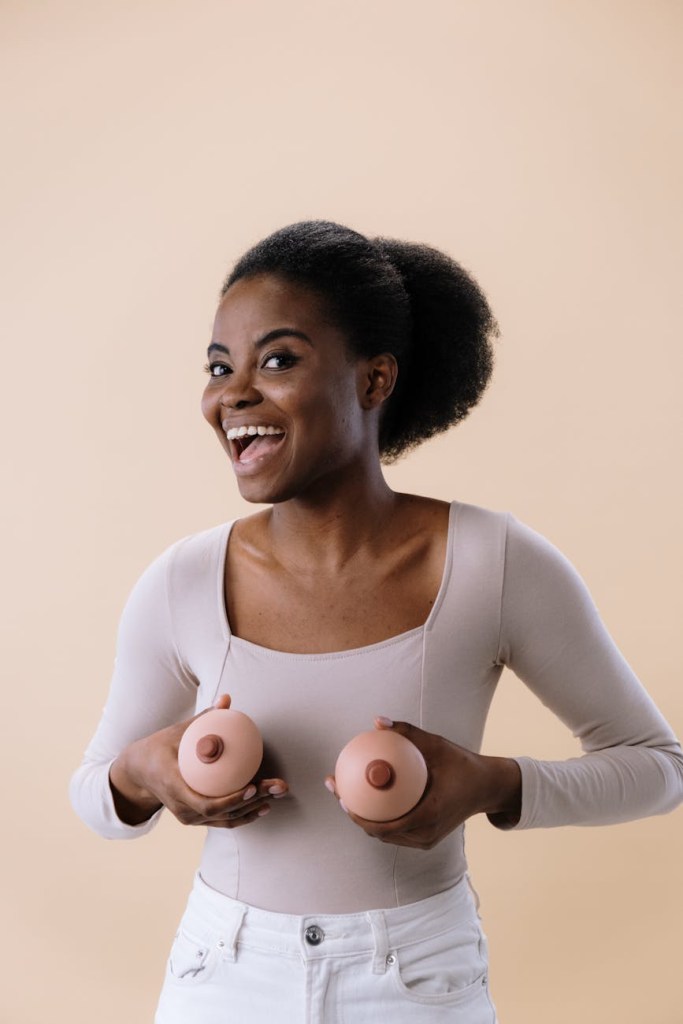
  • When to Perform the Exam

    • It’s best to perform the exam at the same time each month, about a week after your menstrual period ends when your breasts are least likely to be swollen or tender. If you no longer have periods, choose a specific day each month.

    Steps for the Breast Self-Exam

    1. Visual Inspection:
    • Stand in front of a mirror with your arms at your sides.
    • Look for any changes in size, shape, or symmetry of your breasts.
    • Check for any visible lumps, swelling, or skin changes (like dimpling, redness, or rashes).
    • Raise your arms above your head to see if there are any changes in the shape or contour of your breasts.
    1. Palpation (Feeling for Lumps):
    • Lying Down:
      • Lie down on your back and place a pillow under your right shoulder.
      • Use your right hand to examine your left breast.
      • Use the pads of your fingers (not the tips) to feel for lumps.
      • Press down with varying levels of pressure (light, medium, and firm) to feel all the tissues.
      • Start at the outer edge of the breast and move in a circular pattern towards the nipple. Cover the entire breast area, including the armpit.
      • Repeat on the other side using your left hand to examine your right breast.
    • Standing Up:
      • You can also do the palpation while standing, which may help you feel any lumps more easily.
      • You can do this in the shower, as the soap can help your fingers glide over the skin.
    1. Examine the Nipples:
    • Gently squeeze each nipple to check for any discharge (fluid) or changes.

    What to Look For

    • Lumps or hard knots in the breast or underarm area.
    • Changes in breast size or shape.
    • Skin texture changes (such as puckering or dimpling).
    • Any unusual discharge from the nipples.

    If You Notice Any Changes

    • If you find any lumps, changes, or abnormalities, don’t panic, but do consult a healthcare professional for further evaluation.

    Additional Tips

    • Stay consistent with your exams to better recognize what is normal for you.
    • Consider using a breast self-exam guide or diagram for reference.
    • Pair your self-exams with regular clinical breast exams and mammograms as recommended by your healthcare provider.

    Regular self-exams can be an important part of monitoring your breast health. If you have any concerns or questions, don’t hesitate to reach out to a healthcare professional.

  • Choosing peace — especially as a woman in a world that often demands your anger, exhaustion, or silence — is not weakness. It’s power, clarity, and leadership. When you commit to peace, internally and externally, you walk differently. You respond instead of react. And that sets you apart in every space you enter.

    🌱 1. You’re Rooted, Not Reactive

    While others may get caught in drama, noise, or ego-driven conflict, your peace gives you:

    Calm in chaos Focus in confusion Power without performance

    “She’s not easily shaken — and that unsettles people used to chaos.”

    💎 2. You Carry Confidence Without Needing Control

    True peace means you don’t have to dominate to feel seen.

    You don’t need to prove yourself — you know yourself.

    That inner stillness makes people notice you — not because you’re loud, but because you’re centered.

    🌊 3. You Respond with Wisdom, Not Emotion Alone

    Peace doesn’t mean you don’t feel — it means you choose your actions with purpose.

    You pause before reacting You create room for reflection You protect your energy and your peace

    You can disagree without disrespect. That’s maturity. That’s power.

    ✨ 4. You Create Safe Space for Others

    Your peace sets the tone in your relationships, workplace, and community.

    You de-escalate tension You speak with grace You’re a source of calm others can trust

    And in doing so, you invite others into the same peaceful posture.

    🔒 5. Your Peace is a Form of Protection

    You don’t engage in gossip or petty drama You guard your boundaries You walk away from chaos without guilt

    Your peace is not just a vibe — it’s a standard.

    💬 Final Thought:

    “She doesn’t chase energy. She checks her spirit.”

    That commitment to inner peace is what separates you from the noise — and positions you to lead with purpose.

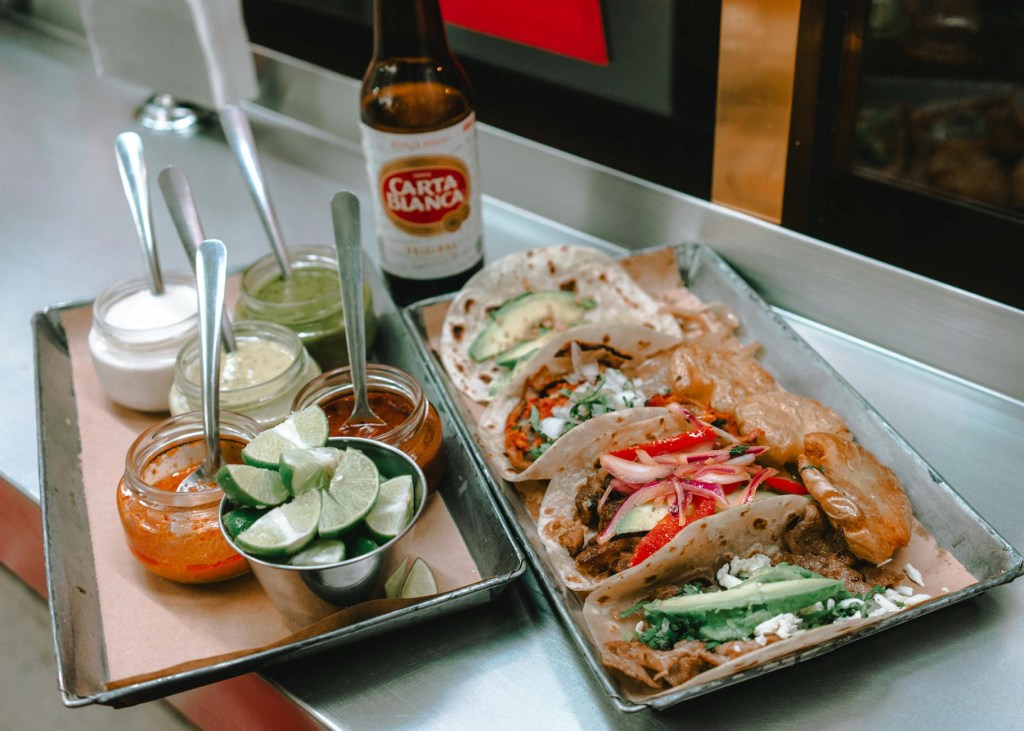
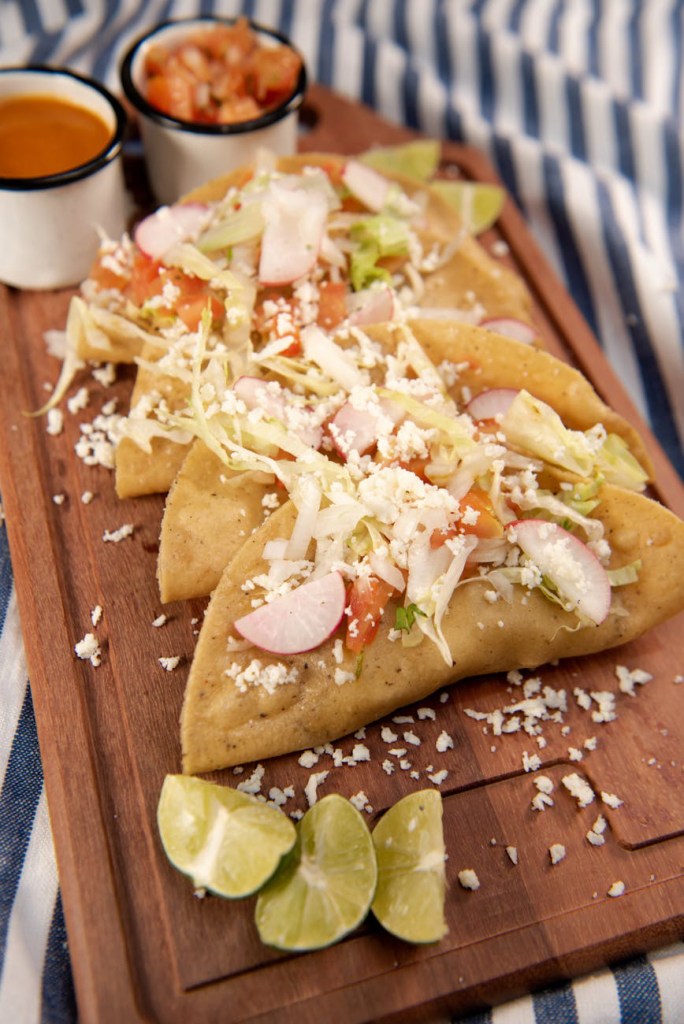
  • 🌮 1. Classic Ground Beef Tacos

    Ready in: 20 minutes | Serves: 4

    Ingredients:

    1 lb ground beef 1 packet taco seasoning (or homemade mix: chili powder, cumin, garlic powder, paprika, salt) 2/3 cup water 8 taco shells (hard or soft) Toppings: shredded lettuce, cheddar cheese, diced tomato, sour cream, salsa

    Instructions:

    Brown the ground beef in a skillet over medium heat. Drain any excess fat. Add seasoning and water. Simmer for 5–7 minutes until thickened. Warm taco shells. Fill with beef and top with your favorites.

    🍗 2. Easy Chicken Street Tacos

    Ready in: 25 minutes | Serves: 4

    Ingredients:

    2 cups cooked, shredded rotisserie chicken 1 tbsp olive oil Juice of 1 lime 1 tsp chili powder 1 tsp garlic powder Salt to taste 8 small corn tortillas Toppings: chopped onion, fresh cilantro, avocado, salsa verde

    Instructions:

    Heat olive oil in a skillet. Add chicken, lime juice, chili powder, and garlic powder. Sauté for 5–7 minutes. Warm tortillas in a pan or microwave. Assemble tacos with chicken and fresh toppings. Serve with lime wedges.

    🥑 3. Vegetarian Black Bean & Corn Tacos

    Ready in: 20 minutes | Serves: 4

    Ingredients:

    1 can black beans (drained & rinsed) 1 cup frozen or canned corn 1 tbsp olive oil 1/2 tsp cumin 1/2 tsp smoked paprika Salt and pepper 8 soft tortillas Toppings: shredded cabbage, feta cheese, avocado, hot sauce, sour cream

    Instructions:

    In a skillet, sauté beans and corn in olive oil with spices for 5–7 minutes. Warm tortillas. Spoon filling into tortillas, add toppings, and enjoy.

    Optional: Quick Homemade Taco Seasoning

    Mix together:

    1 tbsp chili powder 1 tsp ground cumin 1/2 tsp paprika 1/2 tsp garlic powder 1/2 tsp onion powder 1/4 tsp oregano Salt and pepper to taste

    Want dessert taco ideas or a printable taco night menu? Let me know!

  • 📜 Brief History

    Tacos date back to indigenous Mexican cultures long before Spanish colonization. The modern celebration of National Taco Day likely gained momentum thanks to restaurants and taco chains promoting deals in early October—but the love for tacos is definitely universal and timeless.

    🎉 How to Celebrate National Taco Day

    🌮 Eat All the Tacos

    Visit your favorite local taquería. Try making homemade tacos—classic or creative (e.g., Korean BBQ, vegan jackfruit, breakfast tacos). Host a taco night with friends or family.

    🎨 Get Creative

    Set up a DIY taco bar with a variety of fillings and toppings. Make it themed: Taco + trivia night, taco & movie night, or “taco tasting” challenge.

    💬 Social Media Ideas

    Post your favorite taco recipe or taco pic with #NationalTacoDay. Share a taco meme or a poll (“Soft or hard shell?”). Host a giveaway if you’re a small business.

    📝 Fun Taco Journal Prompt:

    “If I could create my own signature taco, what would be in it—and what would I name it?”

    🛍️ Taco Day Deals (U.S.)

    Many big chains (like Taco Bell, Del Taco, or Torchy’s Tacos) often run discounts and freebie deals on October 4.

  • 😊 What is World Smile Day?

    World Smile Day was created by Harvey Ball, the commercial artist who designed the iconic yellow smiley face in 1963. He believed the smiley symbol had become too commercialized, so in 1999, he launched World Smile Day to encourage acts of kindness and spread happiness around the world—one smile at a time.

    🌟 Theme/Purpose

    “Do an act of kindness. Help one person smile.”

    That’s the central theme. It’s not about big gestures—small, sincere kindness counts.

    💡 Ways to Celebrate

    Here are some meaningful and fun ways to honor World Smile Day:

    ✨ Acts of Kindness

    Compliment a stranger or friend. Pay for someone’s coffee or meal. Write a thank-you note or text to someone who’s helped you. Volunteer or donate to a local cause. Leave positive sticky notes in public spaces.

    🧡 Creative Ideas

    Wear yellow or a smiley face! Start a “smile chain” on social media: post something uplifting and tag others to do the same. Make handmade cards and drop them off at a hospital, senior home, or shelter. Host a “smile lunch” at work or school—bring treats or cheerful notes.

    📝 Journal Prompt for World Smile Day:

    What made me smile today?

    What’s something I can do today to make someone else smile?

  • 1. Understand the Importance of Screening

    • Breast cancer screening can help detect the disease early, often before symptoms appear, when it is more treatable.
    • Early detection can lead to less aggressive treatment and better survival rates.

    2. Know the Recommended Screening Guidelines

    • Mammograms: The primary tool for breast cancer screening.
      • Women aged 40 to 44 should have the choice to start annual screening with mammograms.
      • Women aged 45 to 54 should have annual mammograms.
      • Women aged 55 and older can switch to biennial (every two years) screening or continue annual screening based on personal preference.
    • Clinical Breast Exams (CBE): A physical examination performed by a healthcare professional, typically recommended every 1-3 years for women in their 20s and 30s, and annually for women 40 and older.
    • Breast Self-Exams (BSE): While not a substitute for mammograms, being familiar with the normal look and feel of your breasts can help you notice any changes.

    3. Discuss Personal Risk Factors

    • Talk to your healthcare provider about your personal and family history of breast cancer, genetic factors, and any other risk factors that may necessitate earlier or more frequent screening.

    4. Schedule Regular Appointments

    • Set up regular appointments for mammograms and clinical exams based on the recommended guidelines and your healthcare provider’s advice.

    5. Prepare for the Appointment

    • Wear a two-piece outfit to make the process easier.
    • Avoid using deodorant, lotion, or powder on the day of your mammogram, as these can interfere with the imaging.

    6. Understand the Process

    • A mammogram involves taking X-ray images of the breast, usually from two different angles. The procedure is quick, but some women may experience discomfort.

    7. Follow Up on Results

    • After your mammogram, ensure you understand how and when you will receive your results. If additional tests are needed, follow your healthcare provider’s recommendations promptly.

    8. Maintain a Healthy Lifestyle

    • In addition to regular screenings, adopting a healthy lifestyle can lower your breast cancer risk. This includes maintaining a balanced diet, exercising regularly, limiting alcohol intake, and avoiding tobacco.

    Conclusion

    Being proactive about breast cancer screening is crucial for early detection and effective treatment. Regular check-ups and open communication with healthcare providers can significantly enhance your breast health.

  • ✅ Common “Checklist” Qualities for a Husband

    1. Character & Values

    Honest and trustworthy Kind and respectful Faithful/committed Shares similar morals, values, or faith

    2. Emotional Qualities

    Emotionally available and communicative Supportive (through highs and lows) Sense of humor Patient and understanding

    3. Stability & Responsibility

    Financially responsible (not necessarily rich, but stable) Dependable and reliable Hardworking and motivated Mature in decision-making

    4. Lifestyle Compatibility

    Similar views on family, children, and future goals Compatible interests or at least supportive of each other’s passions Shares cultural or spiritual beliefs (for some women, this is very important)

    5. Relationship Skills

    Knows how to resolve conflict in a healthy way Respects boundaries Good listener and communicator Willing to grow and evolve in the relationship

    6. Attraction & Intimacy

    Physical chemistry (attraction matters to many) Affectionate and attentive Prioritizes intimacy and partnership

    7. Social & Family Fit

    Gets along with her family and friends (or at least respects them) Treats others kindly (waitstaff, strangers, etc.) Has healthy friendships and social habits

    ✨ Some women make this into an actual list, while others just keep it in mind when dating. A big thing relationship experts note is that sometimes people get stuck on a “perfect list” that no one can meet 100%. The healthiest checklists focus on non-negotiables (deal-breakers) vs. nice-to-haves.

  • Purpose

    • Awareness: To educate the public about breast cancer risks, symptoms, and the importance of early detection.
    • Support: To provide resources and support to individuals and families affected by breast cancer.
    • Fundraising: To raise funds for research, treatment, and support services.

    Key Activities

    • Educational Campaigns: Organizations conduct workshops, seminars, and informational sessions to spread awareness about breast health and the importance of regular screenings.
    • Pink Ribbon Symbol: The pink ribbon is the international symbol of breast cancer awareness. Many events and campaigns use this symbol to promote awareness.
    • Events: Fundraising events like walks, runs, and other community activities are organized to support research and patient services.
    • Social Media Campaigns: Many organizations and individuals share information, personal stories, and educational content on social media to reach a wider audience.

    Importance of Early Detection

    • Early detection through regular self-exams and mammograms can significantly increase the chances of successful treatment. Awareness campaigns often emphasize the importance of knowing one’s body and seeking medical advice if any changes occur.

    How to Get Involved

    • Participate in Events: Join local or virtual events to support breast cancer research and awareness.
    • Educate Yourself and Others: Share information about breast cancer with friends and family.
    • Wear Pink: Many people wear pink during October to show their support for breast cancer awareness.
    • Donate: Consider donating to reputable organizations that support breast cancer research and patient care.

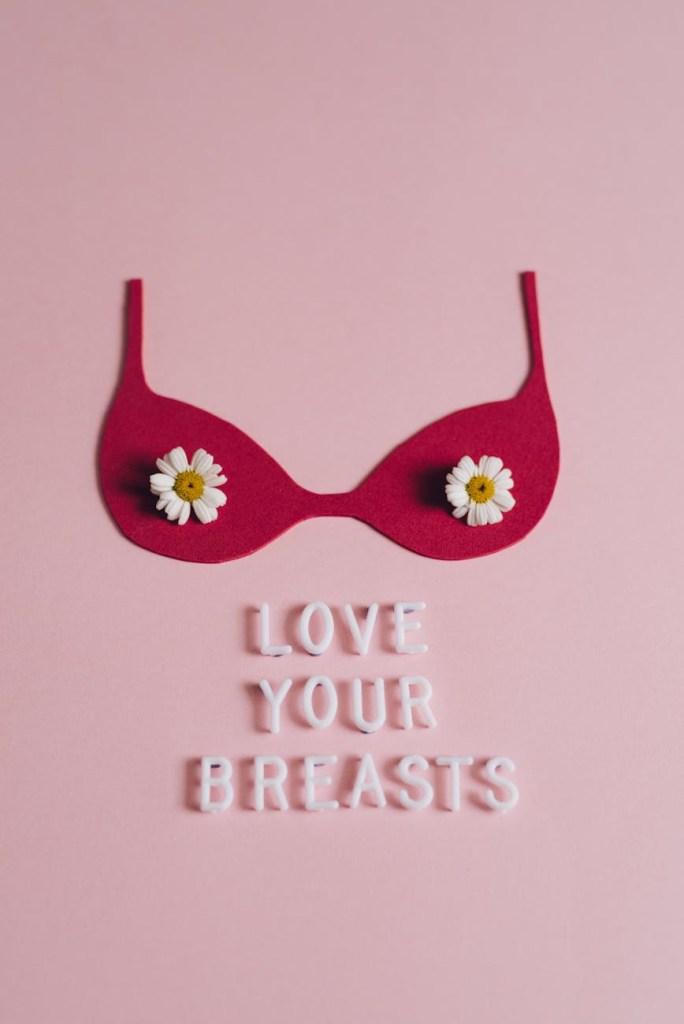
    Breast Cancer Awareness Month serves as a vital reminder to prioritize breast health and support those impacted by breast cancer.