• 💬 What Is Feminism, Really?

    At its core, feminism is the belief in the political, social, and economic equality of the sexes.

    But it’s more than just a definition—it’s a movement, a lens, and a call to action.

    📚 The Evolution of Feminism – The “Waves”

    First Wave (Late 1800s – Early 1900s) Focus: Legal rights, especially voting (women’s suffrage). Who it centered: Mostly white, middle-class women. Legacy: The right to vote (19th Amendment in the U.S.). Second Wave (1960s–1980s) Focus: Reproductive rights, workplace inequality, and gender roles. Birth of: “The personal is political.” Critique: Often excluded voices of women of color, queer women, and working-class women. Third Wave (1990s–2000s) Focus: Intersectionality, reclaiming femininity, body autonomy, diversity. Emphasized: That there’s no one way to be a woman. Fourth Wave (2010s–Present) Focus: Social media activism, #MeToo, LGBTQ+ inclusion, body positivity, dismantling patriarchy and toxic masculinity. Tools: Digital platforms, collective organizing, and global conversations.

    🌍 Types of Feminism Today

    Intersectional Feminism – Recognizes that gender inequality is connected to racism, classism, ableism, etc. (coined by Kimberlé Crenshaw). Ecofeminism – Links environmental justice to women’s rights. Black Feminism – Addresses the unique struggles faced by Black women. Chicana, Indigenous, Transfeminism, Islamic Feminism, and others—all rooted in specific cultural and lived experiences.

    ❤️‍🔥 Why Feminism Still Matters

    Women still earn less than men for the same work. Gender-based violence is still prevalent globally. Reproductive rights are under threat in many regions. Many women and girls face barriers based on where they live, who they love, or what they look like.

    Feminism isn’t just about helping women—it’s about liberating everyone from restrictive gender norms.

    🌱 Ways to Start Exploring Feminism

    Read books like We Should All Be Feminists by Chimamanda Ngozi Adichie or Hood Feminism by Mikki Kendall. Listen to feminist podcasts or TED Talks. Talk to other women about what feminism means to them. Support women-owned businesses and creators. Question traditional roles, expectations, and biases—especially in yourself.
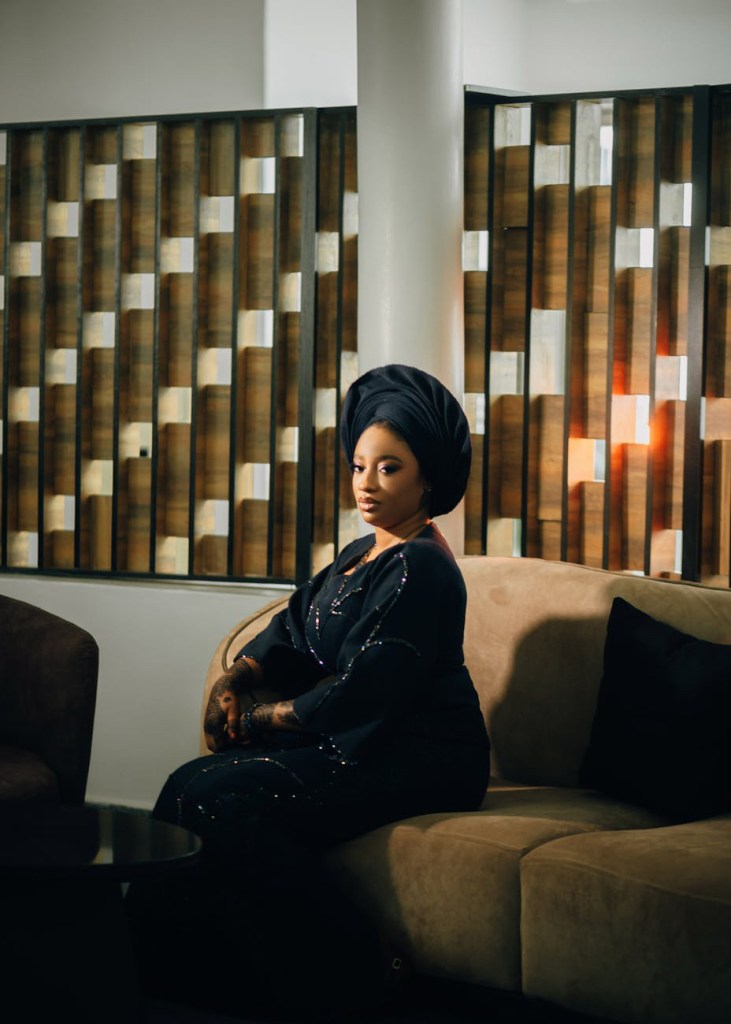

  • 🌿 What It Means to Explore Identity & Cultural Heritage as Women

    Rediscovering Your Roots Learning your family history, ancestral traditions, language, music, recipes, and cultural customs. Reconnecting with stories passed down by mothers, grandmothers, and aunties. Asking the question: Where do I come from, and how has that shaped me as a woman? Challenging Erasure & Misrepresentation Many women, especially women of color, face historical and social pressure to conform or assimilate. Embracing your identity is a form of resistance to stereotypes, cultural erasure, and gender-based oppression. It’s saying, “I get to define who I am—not society.” Healing Through Heritage Exploring your culture can be a healing act—honoring the strength, survival, and spirit of women before you. It can also help break generational trauma by creating a deeper understanding of where pain and strength come from. Owning the Complexity Many women are bicultural or multicultural, or have mixed identities. That duality or multiplicity is not confusion—it’s richness. Embracing all sides of yourself helps you live more authentically. Creating Space for Your Voice When you know who you are and where you come from, your voice becomes stronger. Sharing your story helps others do the same—and contributes to a more inclusive, diverse narrative about womanhood.

    🔥 Ways to Embrace Your Identity & Culture

    Interview your elders or journal about your lineage. Wear traditional clothing or jewelry with pride. Learn or re-learn your native language or dialect. Cook and celebrate with ancestral recipes. Join cultural, spiritual, or women’s circles rooted in your heritage. Use art, music, writing, or performance to express your identity. Travel to your ancestral homeland if possible—or engage virtually with communities.

    🌺 Why It Matters

    Because you are a continuation of every woman who came before you. Because your story adds power and perspective to the world. Because understanding your identity is the foundation of self-love and confidence.


  • Intro: A New Chapter

    I turned 40 the year and wasn’t sure how to feel! but I had to realize that ,

    Turning 40 isn’t an ending — it’s a powerful beginning. You’re wiser, more self-aware, and hopefully less concerned with people-pleasing. It’s time to stop looking back and start designing your next decade with intention, purpose, and joy.


    🔑 Core Themes to Embrace

    1. Own Your Evolution

    • Reflect on what you’ve learned, survived, and built.
    • You’re not starting over — you’re starting from experience.

    2. Redefine Beauty & Wellness

    • Shift from aesthetics to energy and vitality.
    • Explore health practices that feel nourishing, not punishing.
    • Honor your body for its strength, not just its shape.

    3. Say No Louder

    • Boundaries are non-negotiable in this new era.
    • You don’t need to explain why you protect your peace — just do it.

    4. Pursue Passion Projects

    • Launch the podcast, write the book, start the business.
    • 40 is not too late — it’s right on time.

    5. Rewrite the Relationship Rules

    • Whether you’re married, single, or healing from heartbreak:
      • Choose connection from wholeness, not fear.
      • Pleasure, intimacy, and partnership all evolve — and they should.

    6. Build a Wisdom-Driven Circle

    • Surround yourself with people who match your growth, not your past.
    • Prioritize deep, reciprocal, and emotionally safe connections.

    💬 Affirmation for 40+

    “I am not behind. I am becoming. My age is my advantage.”


    🛠️ Practices to Anchor This Era

    • Journal Prompt: “What am I no longer apologizing for?”
    • Morning Ritual: Start your day with silence, stillness, or soulful movement.
    • Monthly Challenge: Try something you’ve always said was “not for you.”

  • Balancing passion and financial stability can be challenging, but it’s definitely possible. Many people find ways to pursue their interests while also managing their responsibilities. It often involves strategic planning, like finding a job that aligns with your passions or developing side projects that can generate income. Flexibility and creativity in how you integrate your passions into your life can make a big difference. What specific passions or career paths are you considering?

  • Challenging stereotypes and gender norms can be a powerful way to foster inclusivity and promote individual expression. It involves questioning traditional roles and expectations, whether in the workplace, at home, or in society at large. People are increasingly advocating for diverse representations in various fields, from fashion to leadership.

    Engaging in conversations about these topics, supporting those who defy norms, and sharing personal stories can help shift perspectives. Moreover, education and awareness play vital roles in breaking down these barriers. Are there specific stereotypes or norms you’re particularly interested in discussing or exploring?

  • One chilling account involves the first encounter between Columbus and the Taino people of the Caribbean. Initially, Columbus described the Taino as friendly and welcoming. However, as his expeditions continued, the tone shifted dramatically. Columbus and his men enslaved many Taino, subjected them to violence, and forced them into hard labor in gold mines. The introduction of European diseases decimated their population, which had no immunity to these new illnesses.

    The horror escalates as the Taino population, once numbering in the hundreds of thousands, plummeted due to these factors. Within a few decades, their culture and people faced near annihilation, leading to a tragic erasure from history.

    In this context, Columbus Day can be seen not just as a celebration of exploration, but as a painful reminder of the suffering endured by Indigenous peoples. Many now view the day as an opportunity to reflect on these historical injustices and advocate for a more accurate portrayal of history, honoring the resilience of Indigenous communities rather than celebrating their oppressors.

    1. Women’s Suffrage Movement – In the late 19th and early 20th centuries, women across various nations fought for the right to vote. Leaders like Susan B. Anthony and Elizabeth Cady Stanton in the U.S. helped pave the way for women’s voting rights, culminating in the 19th Amendment in 1920.
    2. Civil Rights Movement – Women played a vital role in the U.S. civil rights movement, with figures like Rosa Parks and Ella Baker leading efforts to combat racial segregation and discrimination. Their contributions were essential in shaping the movement’s strategies and goals.
    3. Women’s Liberation Movement – Emerging in the 1960s and 1970s, this movement sought to address issues such as workplace equality, reproductive rights, and gender roles. Key figures like Betty Friedan and Gloria Steinem helped mobilize women to advocate for their rights.
    4. #MeToo Movement – Founded by Tarana Burke and popularized by social media, this movement raised awareness about sexual harassment and assault, empowering women to share their experiences and demand accountability from perpetrators.
    5. Indigenous Women’s Movements – Indigenous women have led numerous movements advocating for their rights, land sovereignty, and cultural preservation. Figures like Winona LaDuke have been at the forefront of these efforts, addressing issues of environmental justice and Indigenous rights.
    6. Climate Justice Movements – Many young women, like Greta Thunberg, have become prominent voices in the fight against climate change, mobilizing global youth to demand action from governments and corporations.
    7. Women’s March – Following the election of Donald Trump in 2016, millions of women (and allies) marched in cities around the world to advocate for women’s rights, healthcare, and social justice, highlighting the importance of women’s voices in politics.

    These movements demonstrate the power of women in driving social change and advocating for justice across various spheres.

  • 🗳️ Trailblazers in History

    Sojourner Truth (1797–1883, USA) Formerly enslaved Black woman who became an outspoken advocate for abolition and women’s rights. Famous speech: “Ain’t I a Woman?” Susan B. Anthony (1820–1906, USA) Leader in the women’s suffrage movement in the U.S. Helped secure the vote for women through the 19th Amendment. Elizabeth Cady Stanton (1815–1902, USA) Co-authored the Declaration of Sentiments at the Seneca Falls Convention (1848). Fought for women’s legal rights and suffrage. Emmeline Pankhurst (1858–1928, UK) Founded the Women’s Social and Political Union. Known for militant tactics to gain voting rights for women in Britain.

    🌍 Global Feminist Icons

    Frida Kahlo (1907–1954, Mexico) Not only an artist but a feminist symbol for body autonomy, identity, and disability. Malala Yousafzai (1997–Present, Pakistan) Shot by the Taliban for going to school; became a global advocate for girls’ education. Youngest Nobel Peace Prize laureate. Wangari Maathai (1940–2011, Kenya) Environmentalist and women’s rights advocate. First African woman to win the Nobel Peace Prize. Huda Sha’arawi (1879–1947, Egypt) Pioneered Egypt’s feminist movement. Publicly removed her veil in defiance of gender norms.

    ✊🏾 Feminists Who Centered Intersectionality

    Audre Lorde (1934–1992, USA) Black lesbian poet and activist. Advocated for the inclusion of race, sexuality, and class in feminist discourse. Angela Davis (1944–Present, USA)

    Scholar, activist, and prison abolitionist. Connected feminism with racial and economic justice.

    Gloria Anzaldúa (1942–2004, USA)

    Chicana feminist and queer theorist. Her work bridged race, gender, and cultural identity.

    🔥 Modern Movers & Shakers

    Tarana Burke (1973–Present, USA)

    Founder of the #MeToo movement. Amplifies the voices of survivors, especially women of color.

    Ruth Bader Ginsburg (1933–2020, USA)

    U.S. Supreme Court Justice. Championed gender equality and legal protections for women.

    Chimamanda Ngozi Adichie (1977–Present, Nigeria)

    Author of We Should All Be Feminists. Amplifies feminist thought through storytelling and cultural critique.

    Leymah Gbowee (1972–Present, Liberia)

    Led a women’s peace movement that helped end the Second Liberian Civil War. Nobel Peace Prize winner.

    🌱 Why Their Work Still Matters

    These women didn’t just fight for themselves. They fought for your voice, your rights, and your future. Their work reminds us that feminism is not one-size-fits-all—it’s about justice in every corner of the world.

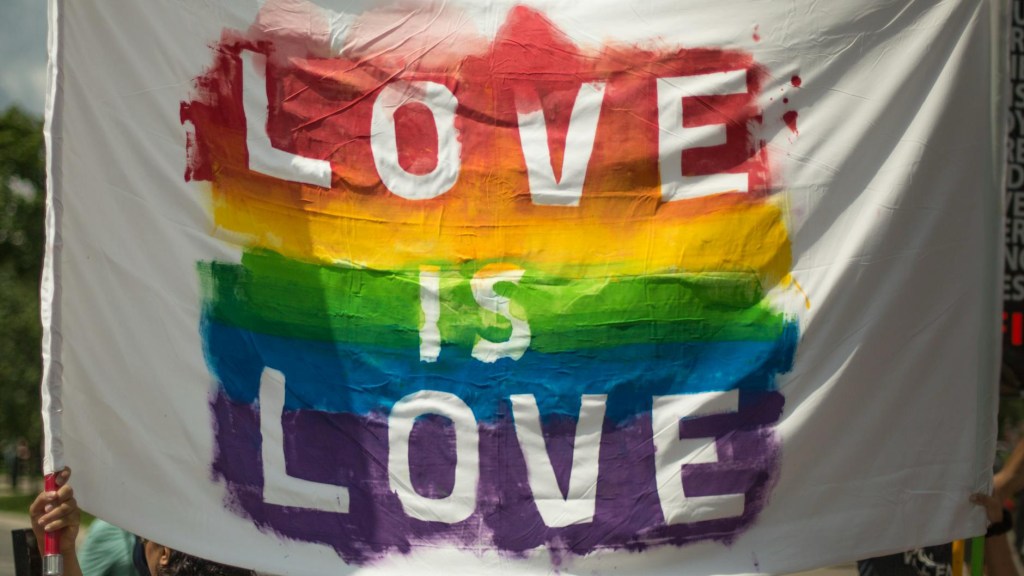
  • When Is LGBTQ History Month?

    In the United States, Canada, and Australia, LGBTQ History Month is celebrated in October. In the United Kingdom, it’s celebrated in February.

    Why LGBTQ History Month Matters

    Visibility: Highlights the often-overlooked contributions of LGBTQ+ individuals throughout history—from activists and artists to scientists and leaders. Education: Provides a platform to teach about landmark events like the Stonewall Riots (1969), the AIDS crisis, and ongoing fights for equality. Community: Creates space for LGBTQ+ people to share their stories and build solidarity. Advocacy: Encourages conversations about continuing challenges, such as discrimination, violence, and health disparities.

    Key Themes and Figures

    Stonewall Riots: Sparked the modern LGBTQ rights movement. Harvey Milk: One of the first openly gay elected officials in the U.S. Marsha P. Johnson & Sylvia Rivera: Transgender activists central to Stonewall and advocacy for trans rights. Audre Lorde: Black lesbian poet and feminist whose work has inspired generations.

    Ways to Observe LGBTQ History Month

    Host or attend educational events, panels, and film screenings. Share stories and history on social media or community newsletters. Support LGBTQ+ organizations and businesses. Integrate LGBTQ+ history and contributions into school curricula or workplace training.

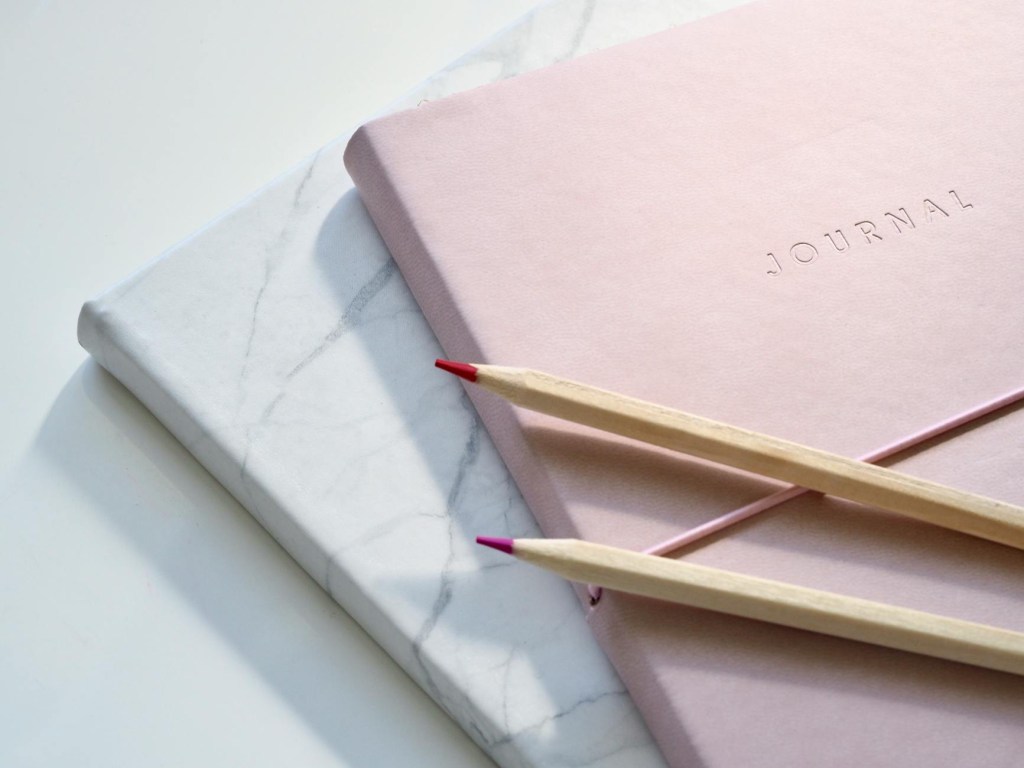
    1. Moleskine Classic Notebook – A timeless choice with high-quality paper, perfect for writing and sketching.
    2. The Five Minute Journal – Encourages daily gratitude and reflection with structured prompts to boost positivity.
    3. Leuchtturm1917 A5 Notebook – Known for its durability and range of colors, it offers numbered pages and an index for easy organization.
    4. Spark Creativity Journal – This journal combines prompts and exercises to spark creativity and self-expression.
    5. Self-Care Journal for Women – Focuses on mental wellness and self-care with prompts that encourage reflection and mindfulness.
    6. The 52 Lists Project by Moorea Seal – A fun, guided journal that encourages making lists on various topics throughout the year.
    7. Mindfulness Journal – Offers prompts and space for reflection to help cultivate mindfulness and gratitude.

    These journals cater to different interests and styles, so you’re likely to find something that resonates with you!