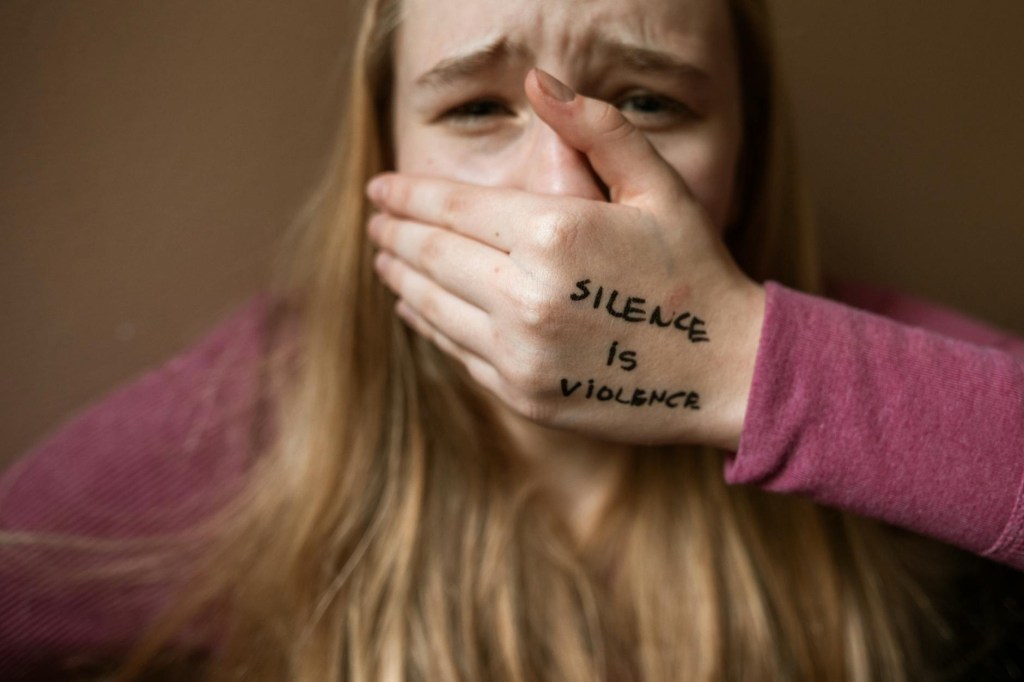
Acknowledgment
- Education: Share information about sexual assault, its prevalence, and its impact. Use social media, blogs, or community events to spread awareness.
- Participate in Events: Join or organize events like walks, workshops, or discussions focused on sexual assault awareness and prevention.
- Support Organizations: Contribute to or volunteer with local organizations that provide support to survivors and work toward prevention.
If You Have Been Assaulted
- Seek Support: Talk to someone you trust, whether a friend, family member, or counselor.
- Consider Reporting: Decide if you want to report the assault to authorities. Know that this is a personal choice and there is no right or wrong decision.
- Reach Out for Professional Help: Therapists and counselors who specialize in trauma can provide a safe space to process your experience.
- Know Your Rights: Familiarize yourself with your rights as a survivor, including medical care and legal options.
Helping a Friend
- Listen Without Judgment: Offer a safe space for your friend to share their experience. Let them know you believe them and are there for support.
- Encourage Professional Help: Gently suggest they talk to a professional who can help them navigate their feelings and options.
- Respect Their Choices: Support your friend in whatever decisions they make, whether it’s reporting the incident or seeking therapy.
- Be There: Continue to check in on them. Just being present can make a significant difference.
Awareness and support can empower survivors and contribute to a culture that stands against sexual violence.

Leave a comment