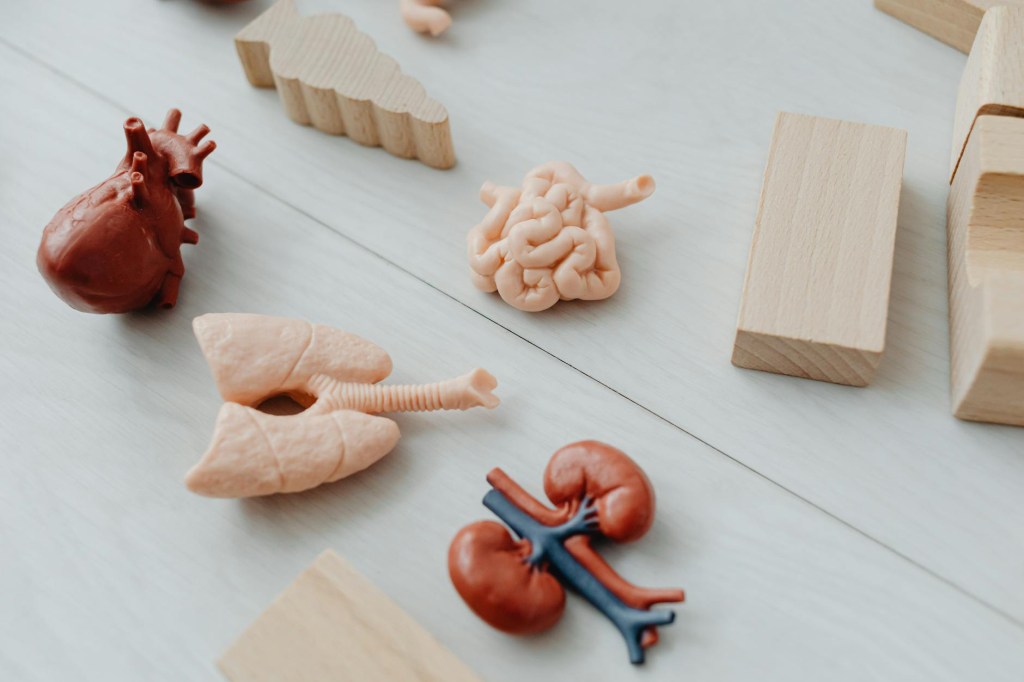
🩺 Recognizing the Early Signs of Kidney Problems
Many symptoms can be subtle, but watch for:
Changes in urination – more frequent at night, less output, foamy urine, or blood in urine Swelling (edema) – puffiness around eyes, ankles, or hands from fluid buildup Fatigue or weakness – toxins in the blood can cause low energy Trouble concentrating or brain fog Muscle cramps – from imbalances in electrolytes Dry, itchy skin – due to mineral and bone balance issues Persistent nausea or loss of appetite
(These symptoms don’t always mean kidney disease, but they’re important warning signs.)
🚨 When to Get Help
Immediately if you notice blood in urine, severe swelling, or sharp lower back/flank pain. Soon if you have persistent changes in urination, ongoing fatigue, or swelling. Regular checkups if you have risk factors like: Diabetes High blood pressure Family history of kidney disease Being over age 60 Heart disease or obesity
A simple blood test (creatinine, eGFR) and urine test can check kidney function.
🌿 Coping & Protecting Kidney Health
Stay hydrated (water over sodas or sugary drinks) Eat kidney-friendly foods: more fruits, veggies, whole grains; less salt, processed food, and excess protein Limit alcohol & avoid smoking Monitor blood pressure and blood sugar if you’re at risk Exercise regularly (even light walking helps circulation) Take medications as prescribed and avoid overusing NSAIDs (like ibuprofen), which can strain kidneys Build support: Managing kidney issues can feel overwhelming—lean on support groups, family, or a dietitian
✅ Quick Reminder: Early detection makes a huge difference. Kidneys can lose up to 90% of function before symptoms appear, so screening is powerful—especially during National Kidney Month.

Leave a comment