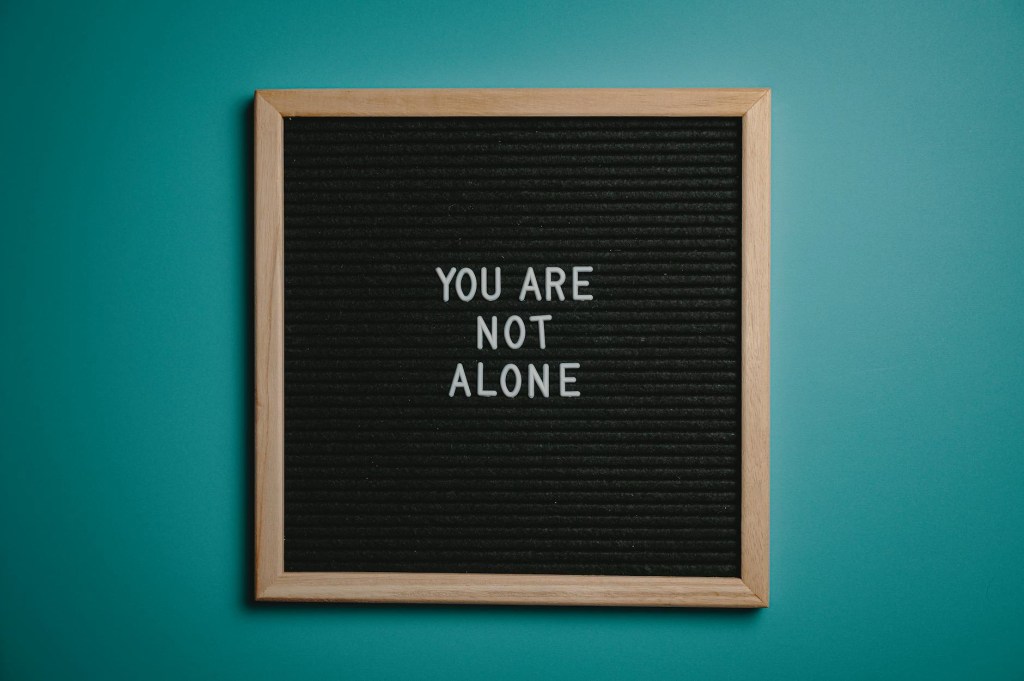
- Sharing Personal Stories: When women share their experiences with mental health struggles, it helps others feel less alone. Personal narratives can demystify therapy and reduce stigma.
- Creating Safe Spaces: Establishing environments—whether in communities, workplaces, or online—where women can discuss mental health openly encourages dialogue. Support groups, workshops, and forums can facilitate these conversations.
- Educating on Mental Health: Providing information about mental health issues, symptoms, and the benefits of therapy can empower women to seek help. Education can dispel myths and promote understanding.
- Highlighting Diverse Therapies: Therapy isn’t one-size-fits-all. Emphasizing various therapeutic approaches, such as talk therapy, art therapy, group therapy, or holistic methods, can help women find what resonates with them.
- Advocating for Accessibility: Ensuring that mental health services are accessible and affordable is crucial. Advocating for policy changes can improve access to therapy for women in various socioeconomic situations.
- Championing Self-Care Practices: Encouraging women to prioritize self-care and mental health as part of overall well-being can promote healing. This includes mindfulness, physical activity, and nurturing social connections.
- Role Models and Influencers: Public figures and influencers who speak openly about their mental health journeys can inspire others to do the same. Their visibility can make therapy seem more relatable and acceptable.
By actively working to break the silence, women can foster a culture of support and understanding around mental health, ultimately leading to more individuals seeking the help they need and deserving.

Leave a comment