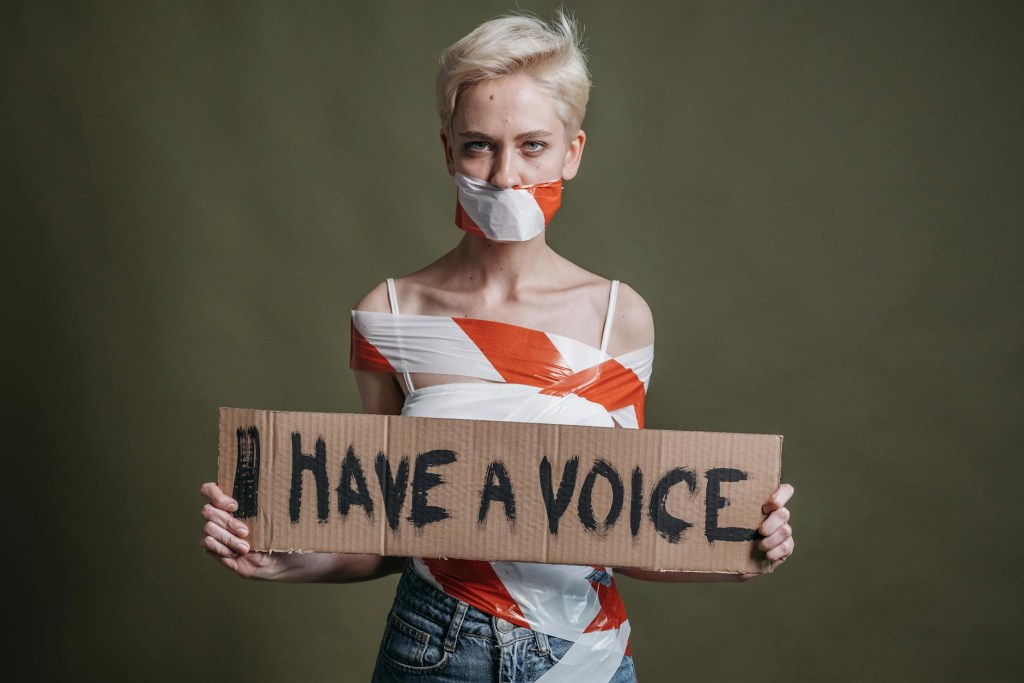
Why Women’s Participation Matters
Broader Perspectives – Women often bring community-centered priorities like education, healthcare, and economic rebuilding to the table. Increased Peace Durability – Studies show that peace agreements with women’s participation are 35% more likely to last at least 15 years. Representation of the Whole Population – Excluding women means ignoring half the affected community. Humanitarian Focus – Women negotiators tend to prioritize humanitarian access, rights protections, and long-term reconciliation measures.
Key Milestone: UNSCR 1325
In 2000, the United Nations Security Council Resolution 1325 formally recognized the importance of women in peace and security. It called for:
Participation: Women must be included in all decision-making levels of conflict resolution and peacebuilding. Protection: Safeguarding women and girls from gender-based violence in conflict. Prevention: Including women in conflict prevention strategies. Relief & Recovery: Ensuring women’s needs are addressed in post-conflict reconstruction.
Challenges to Women’s Participation
Cultural Barriers: Patriarchal norms in some regions discourage women from political or leadership roles. Security Risks: Women activists face threats, harassment, or violence. Tokenism: Women may be invited to processes but given no real influence in decisions. Resource Gaps: Lack of funding and training opportunities for women peacebuilders.
Ways to Strengthen Women’s Voices
Legal Quotas & Policies – Mandating women’s representation in peace negotiation delegations. Capacity-Building – Providing leadership, negotiation, and advocacy training for women at the grassroots and national levels. Financial Support – Funding women-led NGOs and peace initiatives. Community Engagement – Creating platforms for local women’s perspectives to influence national peace agendas. International Accountability – Holding governments and organizations to their commitments under UNSCR 1325.

Leave a comment