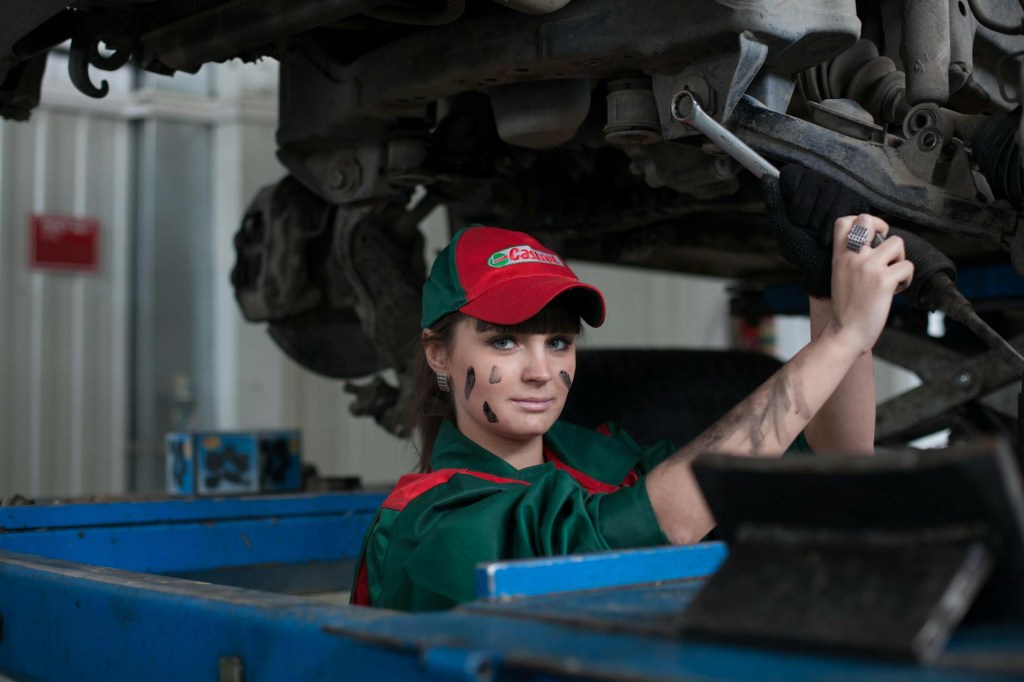
Here’s how the shift looks:
1. The “Traditional” Framework (Past)
Men: Breadwinners, decision-makers, leaders in public life. Women: Caregivers, homemakers, supporters of men’s ambitions. Traits were labeled by gender—strength, assertiveness, and independence for men; nurturing, modesty, and emotional sensitivity for women. Breaking these norms often led to social punishment.
2. The Shift (Mid–Late 20th Century Onwards)
Economic Changes: More women entered the workforce (especially after WWII and during the feminist movements of the 1960s–70s). Education: Higher education for women expanded opportunities beyond domestic life. Civil Rights & Feminism: Pushed against laws and norms that limited women’s choices. Media Influence: TV, film, and now social media began showing alternative role models—women in leadership, men as stay-at-home dads.
3. Modern Attitudes (2000s & Beyond)
Gender roles are increasingly seen as fluid—not fixed biological destinies. More acceptance of women in leadership and men in caregiving roles. Younger generations are more likely to challenge stereotypes openly. Workplace culture is (slowly) shifting toward valuing diversity in leadership styles rather than expecting women to “act like men” to succeed.
4. Where Tension Still Exists
Pay gaps and glass ceilings persist in many industries. Some cultural and religious communities still emphasize traditional roles. Social media both challenges and reinforces stereotypes—progress coexists with backlash.
5. Why This Shift Matters
Redefining gender roles allows people to pursue careers, relationships, and lifestyles that match their skills and passions rather than conforming to outdated expectations. Breaking stereotypes benefits everyone—men gain freedom to be emotionally expressive, women gain freedom to lead without apology, and children grow up seeing multiple ways to live a full life.

Leave a comment