1. Historical Origins
Halloween traces back to the ancient Celtic festival of Samhain, celebrated around October 31st. Samhain marked the end of the harvest season and the beginning of winter—a time believed to be when the boundary between the living and the spirit world was thin. People lit bonfires and wore costumes to ward off roaming spirits.
2. Christian Influence
The church established All Saints’ Day (November 1) and All Souls’ Day (November 2) to honor saints and pray for the dead, blending with Samhain traditions. “Halloween” comes from “All Hallows’ Eve,” the night before All Saints’ Day.
3. Cultural Traditions
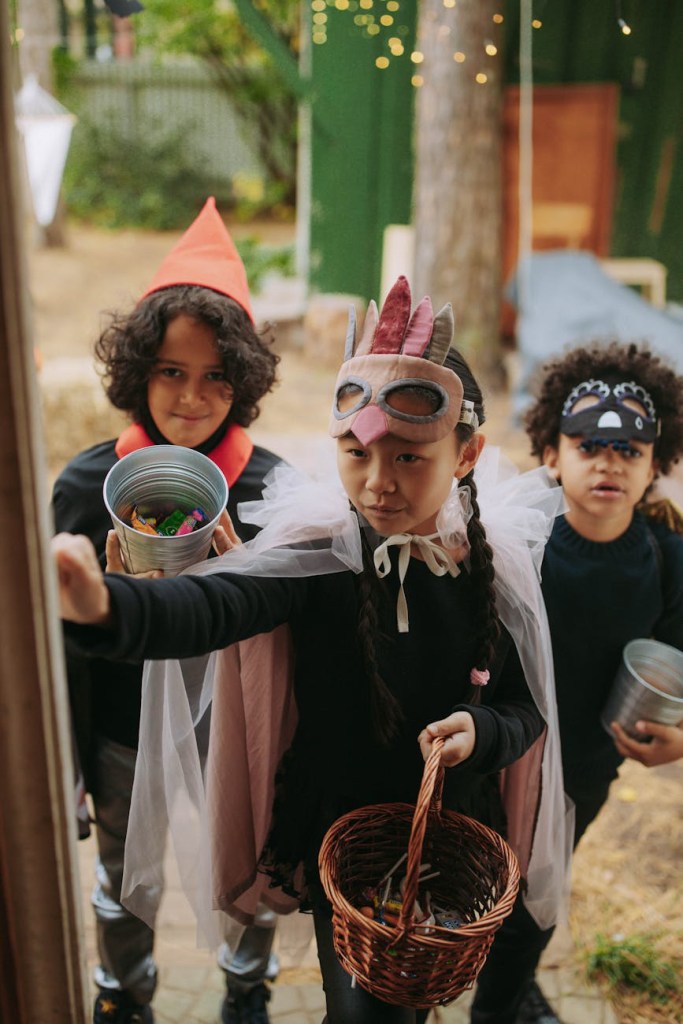
Over time, Halloween evolved with customs like trick-or-treating, carving pumpkins (jack-o’-lanterns), and telling ghost stories. It became a community celebration mixing fun, superstition, and remembrance.
4. Modern Meaning
Today, Halloween is largely a secular holiday focused on creativity, play, and community bonding. It’s a chance for people to express themselves through costumes and stories, celebrate the spooky and mysterious, and connect with neighbors and family. For some, it still holds spiritual significance tied to honoring ancestors or acknowledging the supernatural.
5. Why We Celebrate
To mark seasonal change and the cycle of life and death. To enjoy shared cultural traditions that foster community. To have fun and embrace imagination and the thrill of the unknown.

Leave a comment