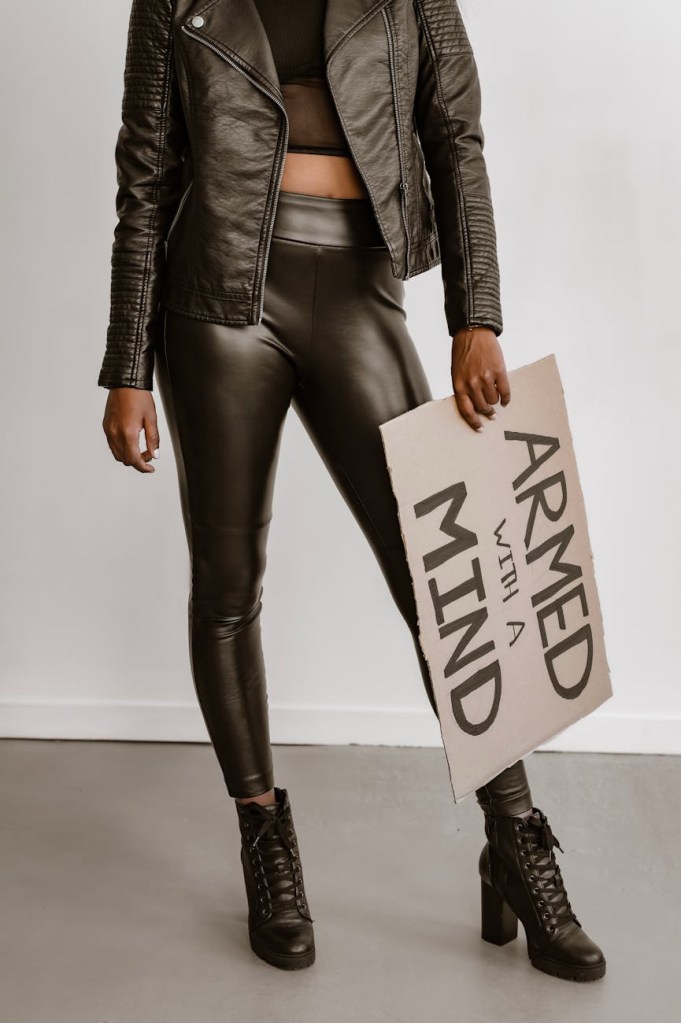
💬 What Is Feminism, Really?
At its core, feminism is the belief in the political, social, and economic equality of the sexes.
But it’s more than just a definition—it’s a movement, a lens, and a call to action.
📚 The Evolution of Feminism – The “Waves”
First Wave (Late 1800s – Early 1900s) Focus: Legal rights, especially voting (women’s suffrage). Who it centered: Mostly white, middle-class women. Legacy: The right to vote (19th Amendment in the U.S.). Second Wave (1960s–1980s) Focus: Reproductive rights, workplace inequality, and gender roles. Birth of: “The personal is political.” Critique: Often excluded voices of women of color, queer women, and working-class women. Third Wave (1990s–2000s) Focus: Intersectionality, reclaiming femininity, body autonomy, diversity. Emphasized: That there’s no one way to be a woman. Fourth Wave (2010s–Present) Focus: Social media activism, #MeToo, LGBTQ+ inclusion, body positivity, dismantling patriarchy and toxic masculinity. Tools: Digital platforms, collective organizing, and global conversations.
🌍 Types of Feminism Today
Intersectional Feminism – Recognizes that gender inequality is connected to racism, classism, ableism, etc. (coined by Kimberlé Crenshaw). Ecofeminism – Links environmental justice to women’s rights. Black Feminism – Addresses the unique struggles faced by Black women. Chicana, Indigenous, Transfeminism, Islamic Feminism, and others—all rooted in specific cultural and lived experiences.
❤️🔥 Why Feminism Still Matters
Women still earn less than men for the same work. Gender-based violence is still prevalent globally. Reproductive rights are under threat in many regions. Many women and girls face barriers based on where they live, who they love, or what they look like.
Feminism isn’t just about helping women—it’s about liberating everyone from restrictive gender norms.
🌱 Ways to Start Exploring Feminism
Read books like We Should All Be Feminists by Chimamanda Ngozi Adichie or Hood Feminism by Mikki Kendall. Listen to feminist podcasts or TED Talks. Talk to other women about what feminism means to them. Support women-owned businesses and creators. Question traditional roles, expectations, and biases—especially in yourself.

Leave a comment