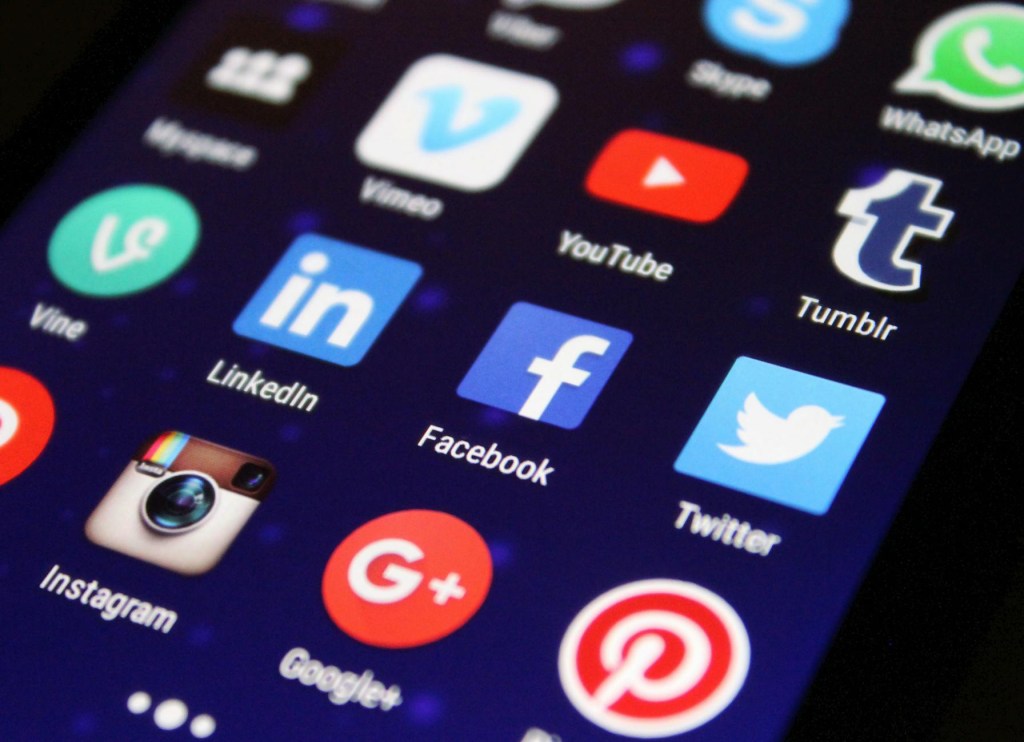
- Set Boundaries:
- Limit the amount of time spent on social media daily. Use apps or built-in features on devices to track and restrict usage.
- Designate specific times for social media use to prevent it from interfering with daily activities or relationships.
- Curate Your Feed:
- Follow accounts that inspire, educate, or uplift you. Unfollow or mute accounts that trigger negative feelings or anxiety.
- Regularly reassess your connections and remove those that no longer serve a positive purpose in your life.
- Engage Mindfully:
- Be conscious of how certain content affects your mood. If you notice negative emotions, take a break or adjust what you engage with.
- Practice active engagement by commenting or sharing thoughts rather than mindlessly scrolling.
- Be Authentic:
- Share content that reflects your true self and values instead of trying to project an ideal image. Authenticity can foster genuine connections.
- Avoid comparing yourself to others; remember that social media often showcases curated versions of reality.
- Practice Digital Detox:
- Schedule regular breaks from social media, whether it’s a few hours, a day, or even longer. Use this time to reconnect with offline activities and relationships.
- Consider a full detox periodically to reassess your relationship with social media.
- Stay Informed, Not Overwhelmed:
- Follow news outlets and sources that provide accurate information, but avoid overwhelming yourself with constant news updates.
- Be selective about which topics to engage with, prioritizing those that matter most to you.
- Prioritize Real-Life Connections:
- Use social media to enhance, not replace, in-person interactions. Make an effort to meet friends and family offline.
- Engage in activities that foster community, such as volunteering or joining local groups.
- Be Aware of Online Behavior:
- Treat others with respect and kindness in your interactions. Be mindful of the impact of your words and actions online.
- Report or block accounts that engage in harassment or negativity.
- Educate Yourself:
- Stay informed about the potential impacts of social media on mental health and well-being. Understanding these effects can help you make informed choices.
- Explore resources and literature on healthy social media practices and mental health.
- Reflect Regularly:
- Take time to reflect on your social media use and its effects on your mental health. Adjust your habits as needed based on how it influences your daily life.
By implementing these strategies, you can foster a healthier relationship with social media that enhances your well-being and supports meaningful connections.

Leave a comment